
Trees
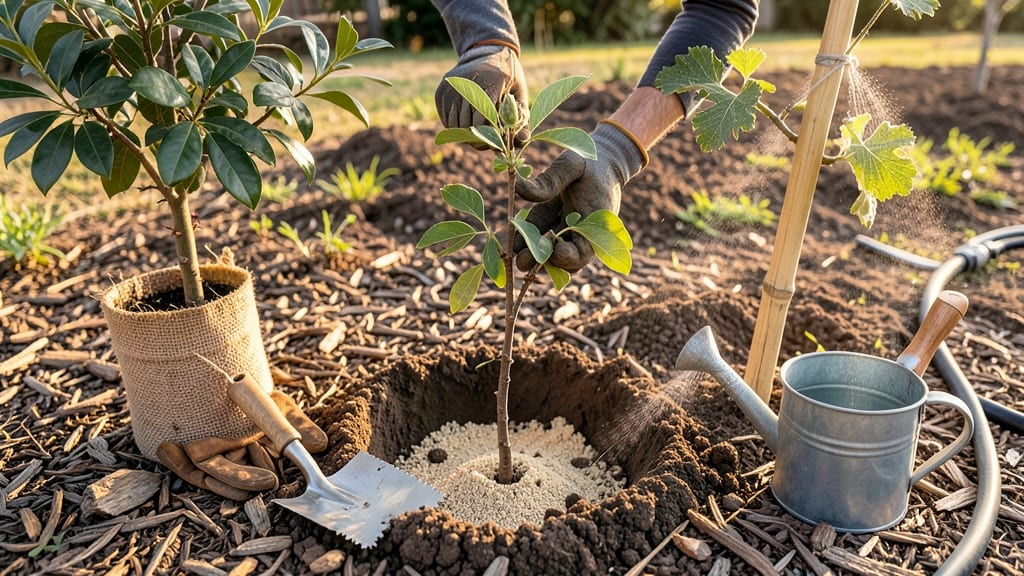
The best time to plant fruit trees in Texas depends on your chill hours and frost-free deadlines, but late winter through early spring is the golden window for most varieties 🌱.
Planting fruit trees in Texas at the wrong time can mean wasted effort—or worse, lost investments. With extreme heat, unpredictable freezes, and varying chill hour requirements, timing is everything for successful fruit production.
If you wait too long, the summer heat will stress young roots before they establish. Plant too early, and a late frost could kill your $100+ investment before it even takes hold. The key is matching your tree’s chill hour needs to your zone’s frost-free window.
Below, I break down the exact months for North vs. South Texas, how to prep soil for Texas heat, and the one trick that lets you plant subtropical trees like citrus months earlier than you’d expect.
Texas fruit tree planting calendar by chill hour zones (North vs south)
Texas spans three chill hour zones, each dictating the best planting windows for fruit trees. The North Texas (600+ chill hours) can grow peaches and plums, while South Texas (0-300 chill hours) thrives with citrus and figs.
Timing matters—plant too early, and you risk freeze damage; too late, and roots won’t establish before summer heat. Let’s break down the optimal planting months by zone and variety.
First, understand your chill hours: the number of hours below 45°F your area experiences annually. Texas ranges from 0-300 hours in the Rio Grande Valley to 600+ hours in the Panhandle.
This determines which fruit trees will thrive. For example, peaches need 600+ chill hours, while figs tolerate as few as 100. Matching your zone to the right tree saves money and frustration.
Here’s the critical rule: Plant bare-root trees in late winter or early spring (before buds swell), and container-grown trees anytime soil isn’t frozen. In Texas, that means November–March for North Texas and September–November for South Texas.
But don’t guess—check your last frost date (typically March 15 in North Texas and January 1 in South Texas) and plant 4–6 weeks before to avoid root shock.
Now, let’s dive into the planting calendar with a side-by-side comparison of your options by chill hour zone. This table covers best months, frost-free deadlines, and top varieties for each zone.
For North Texas (600+ chill hours), focus on peaches and plums planted in November or December. These trees need cold to set fruit, so avoid late spring plantings. Pecan trees are another great choice—they’re drought-tolerant and thrive in Texas heat once established.
Always plant bare-root trees in winter when they’re dormant, and container-grown trees in early spring after the last frost.
In Central Texas (300–600 chill hours), figs and persimmons are low-maintenance winners. Figs can handle 100–300 chill hours and produce fruit year-round in warmer climates.
Plant them in late winter (February) to give roots time to establish before summer. Cherries need more chill hours (500–600) and should go in the ground by January to avoid spring freezes.
South Texas (0–300 chill hours) is perfect for citrus and tropical fruits. Oranges, lemons, and grapefruits thrive here but must be planted in fall (September–November) to avoid heat stress.
Container growing is ideal for these trees—move them indoors or under shade cloth during extreme cold snaps (below 28°F). Mangoes and avocados also work in this zone but need well-draining soil and full sun.
Pro tip: Amend your soil 4–6 weeks before planting. Texas clay benefits from compost and gypsum to improve drainage. For container-grown trees, use a fast-draining potting mix with perlite.
After planting, mulch heavily (3–4 inches) to retain moisture and regulate soil temperature. Water deeply once a week for the first month, then taper off as roots establish.
Remember, container-grown trees offer flexibility—plant them anytime soil isn’t frozen. But for bare-root trees, stick to the dormant season (winter) to minimize transplant shock. If you’re in Zone 600+ and want to grow subtropical fruits, consider microclimates like south-facing walls or windbreaks to extend your growing season.
Finally, monitor your local weather closely. Texas freezes can happen anytime—even in March or April. If a freeze is forecasted, cover young trees with frost cloth or a lightweight blanket. With
Top 5 mistakes that ruin Texas fruit tree planting timing
Planting fruit trees in Texas requires careful timing to avoid common pitfalls that can stunt growth or kill your investment. I’ve seen young trees wither from early freezes or struggle in overheated soil—mistakes you can easily avoid with the right knowledge.
Let’s break down the top errors and how to sidestep them.
First, many gardeners rush to plant in late winter when they see bare branches, but Texas’ unpredictable late-season freezes (even in March) can damage tender roots. Others ignore soil temperature, assuming "spring" means it’s safe—until their trees refuse to thrive in cold ground. These oversights cost time and money.
⚠️ callout warning
🚨 Texas Planting Timing Warning
Planting too early risks freeze damage—Texas’ last frost can hit anywhere from February to April, depending on your zone. Wait until soil temps reach 60°F+ (use a soil thermometer!) and daytime highs stay above 70°F for 3+ days. For chill-hour-sensitive trees (like peaches), delay until after your last frost date—check your USDA Zone (6a-10a) for specifics.
🌱 Pro Tip: North Texas (Zones 7-8) should wait until mid-April; South Texas (Zones 9-10) can plant as early as February for subtropical varieties.
Another critical mistake is choosing wrong varieties for your chill hour zone. A peach tree needs 300-600 chill hours, but planting one in South Texas (Zone 9) with only 100 chill hours will yield no fruit.
Always match your tree to your local chill hours—use this Texas A&M chill hour map to avoid disappointment.
Ignoring root development before transplanting is another silent killer. Bare-root trees planted in hot, dry conditions struggle to establish roots, leading to wilting or death. Always plant container-grown trees or bare-root trees when soil is moist but not soggy, and water deeply immediately after planting.
A 3-inch layer of mulch helps retain moisture.
Overlooking microclimates in Texas can also backfire. A shady spot might seem ideal, but fruit trees need full sun (6+ hours). Even in urban areas, buildings or tall trees can create cold air pockets that trap frost.
Choose south-facing locations with wind protection (like a fence or hedge) to create a warmer microclimate for your trees.
Finally, skipping soil prep sets trees up for failure. Texas soils are often clay-heavy or alkaline, which can suffocate roots. Amend with compost or organic matter to improve drainage, and test your soil pH—most fruit trees prefer 6.0-7.0.
A simple $20 soil test kit from your local extension office can save you years of frustration.