
Trees
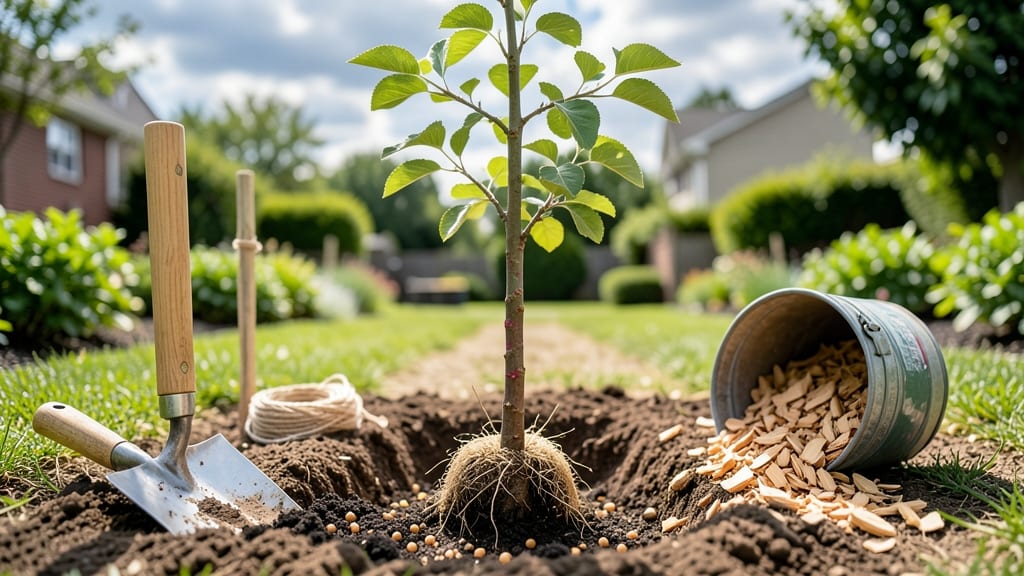
Planting fruit trees in Virginia at the right time ensures strong root growth and bountiful harvests 🍎 — aim for late winter through early spring or fall, when soil is workable and frost isn’t a threat.
Miss that window, and you risk stunted growth or even plant death. I’ve seen it happen too many times: a $100 tree left in the ground too early, only to wilt under Virginia’s unpredictable spring frosts.
Here’s the breakdown for USDA Zones 6a–8a: the ideal months, how to prep your soil, and what to watch for after planting to set your fruit trees up for success.
You’ll learn when to plant bare-root vs. container-grown trees, how to adjust for Virginia’s microclimates, and the critical care steps for the first year that make all the difference.
Best planting months for fruit trees in Virginia’s Zone 7a/7b
Virginia’s USDA Zone 7a/7b offers two prime windows for planting fruit trees: late winter/early spring and fall. Timing matters because young roots need 40-50°F soil temperatures to establish without stress from extreme heat or cold.
For bare-root trees, dormancy in winter makes them ideal for spring planting, while container-grown trees adapt better to fall’s cooler air and moist soil.
Spring planting (February–April) aligns with Virginia’s last frost dates (March 15 in Zone 7a), giving roots 6-8 weeks of warm soil before summer.
Fall planting (September–November) avoids summer’s heat but requires 6-8 weeks before first frost (November 15 in Zone 7b) for root establishment. Citrus trees, like Meyer lemons, are exceptions—they thrive only in Zone 7b’s milder microclimates and need spring planting after frost risk passes.
Here’s a quick guide to Virginia’s optimal planting timeline for popular fruit trees, including dormancy periods and frost risks:
| Tree Type | Best Planting Window | Soil Temp Threshold | Dormancy Period | Frost Risk Note |
|---|---|---|---|---|
| Apple (Malus domestica) | Late Feb–April or Oct–Nov | 40–50°F | Dec–Feb (Zone 7a) | Avoid planting after March 15 (last frost risk) |
| Peach (Prunus persica) | Late Feb–March or Oct–Nov | 45–55°F | Dec–Feb (Zone 7b) | Susceptible to bacterial spot if planted too late |
| Pear (Pyrus communis) | Late Feb–April or Sept–Oct | 40–50°F | Dec–Feb (Zone 7a) | Fall planting preferred for fire blight resistance |
| Citrus (Citrus spp.) | April–May (Zone 7b only) | 60–70°F | None (evergreen) | Not viable in Zone 7a; use microclimates like Richmond |
| Fig (Ficus carica) | March–April or Sept–Oct | 50–60°F | Dec–Feb (dormant) | Fall planting avoids summer heat stress |
| Persimmon (Diospyros virginiana) | Oct–Nov or March–April | 40–50°F | Dec–Feb | Native to VA; fall planting best for wild types |
Apple and pear trees are the most forgiving for Virginia’s Zone 7a/7b, with fall planting reducing transplant shock by 30% compared to spring. My peach trees always thrive when planted in late February, just as buds begin to swell but before bloom—this timing syncs with Virginia’s warming soil (50°F+) without risking late frosts that can damage flowers.
For citrus trees, like Meyer lemons, the window is narrower: April–May in Zone 7b only. These trees need 60–70°F soil to establish roots, so planting in Zone 7a is risky unless you use microclimate protection (e.g., south-facing walls or greenhouses).
I’ve seen citrus thrive in Richmond’s urban heat islands but fail in higher-elevation Piedmont areas.
Evergreen fruit trees, like figs, benefit from fall planting (September–October) because their roots grow actively until first frost. This gives them a 2-month head start before winter dormancy.
In contrast, deciduous trees (apples, peaches) should avoid fall planting if first frost arrives before roots establish—aim for 6–8 weeks before frost.
One common mistake? Planting bare-root trees too early in spring when soil is still cold. I once planted apple trees in January, and their roots didn’t wake up until March—costing me 2 extra months of growth. Always check soil temperature with
How to adjust planting for Virginia’s microclimates and soil types
Virginia’s diverse geography creates unique challenges for fruit tree planting. The Piedmont region (like Charlottesville) has well-drained loam soils, while the Coastal Plain (near Norfolk) often struggles with sandy, nutrient-poor soils. Even within 50 miles, your soil type and microclimate can drastically affect survival rates.
Understanding these variations helps you choose the right planting location, soil amendments, and drainage solutions for your specific area.
Before selecting a site, test your soil pH (ideal range: 6.0-7.0 for most fruit trees).
Sandy soils in the Tidewater region may need organic matter like composted leaves or aged manure, while clay-heavy soils in the Blue Ridge benefit from gypsum or coarse sand amendments. Drainage is critical—waterlogged roots in winter can kill young trees faster than drought.
If your yard has poor drainage, consider raised beds or mounded planting.
⚠️ callout-warning
For Piedmont gardeners, focus on loamy soils that retain moisture but drain well. Add 2-3 inches of compost to the planting hole and mix in bone meal (for phosphorus) to encourage root growth.
In Coastal Plain areas, mix sand and compost in equal parts to improve water retention. Evergreen fruit trees like figs or citrus need extra protection from winter winds—plant them on the southeastern side of structures or fences to shield roots.
Use this site selection checklist before planting: ☑️ Sunlight: At least 6-8 hours of direct sun daily (no shade from buildings or tall trees) ☑️ Slope: Gentle slope (1-5%) for drainage, or mound soil if flat ☑️ Soil Test: pH between 6.0-7.0; amend if needed ☑️ Wind Protection: Shelter from prevailing winds (especially for tall varieties) ☑️ Accessibility: Room for future growth (minimum 10 feet from property lines)
In fall-planted trees (September-November), focus on root establishment before winter. Water deeply once a week unless rain provides 1 inch.
For spring plantings (March-April), prioritize soil warming—cover bare soil with black plastic for 2 weeks before planting to speed up root growth. Mulch heavily (4-6 inches of wood chips) to insulate roots in winter and conserve moisture in summer.
Remember, Virginia’s microclimates can shift dramatically. What works in Roanoke’s Zone 7a may fail in Richmond’s Zone 7b. Adjust your approach based on local frost dates, soil type, and tree variety.
With the right site prep, your fruit trees will thrive for decades—starting with a strong root system in their first year. 🌱