
Plants
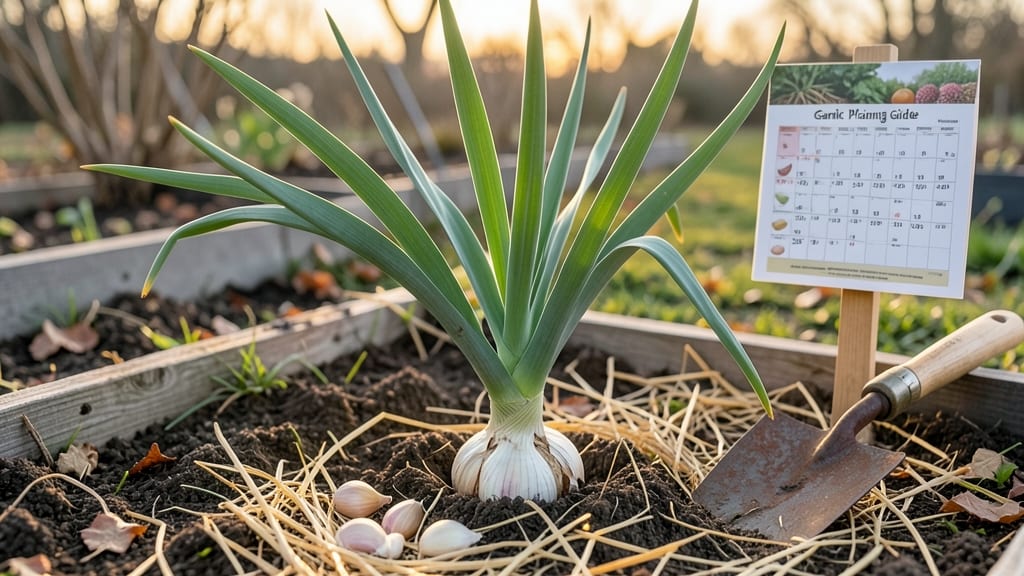
Planting garlic in New York between mid-October and early November is the golden window for hardneck varieties, while softnecks can go until late November—just before the ground freezes.
New York gardeners know timing is everything—and planting garlic at the wrong time can mean the difference between a bountiful harvest and a disappointing flop. But with two main types (hardneck and softneck) and regional climate quirks, when exactly should you plant for maximum yields?
Hardneck garlic thrives in New York’s 5a-7b zones because it needs cold to form bulbs, while softnecks tolerate milder winters. Miss the fall window, and you risk stunted growth or no harvest at all—something I learned after planting too late in upstate New York.
Below, I’ll break down the best planting schedules for your region, soil prep tips to avoid common mistakes, and how to adjust for NYC’s later frosts or the Adirondacks’ early freezes.
Optimal planting windows for hardneck vs softneck garlic in New York
Timing garlic correctly is the secret to big, flavorful bulbs—especially in New York's USDA Zones 5-7. Both hardneck and softneck varieties need a 4-6 week window before winter dormancy, but their ideal planting dates differ.
In NYC, where first frosts hit mid-October, you’ll plant earlier than Upstate regions like Rochester, where soil freezes by early November.
Hardneck garlic thrives in colder climates and produces scape shoots (those curly stems) in spring, while softneck varieties store better long-term but need slightly warmer soil. The 6-week rule ensures bulbs form properly before winter—plant too early, and they’ll bolt; too late, and they’ll rot.
Let’s break down the exact windows for your region.
📅 NYC (Zone 6a-7a): Mid-October to early November for both types, but hardneck can go until late October. 📅 Upstate (Zone 5a-6b): Late September to mid-October—earlier to beat earlier frosts. Use your last frost date as your guide: count back 6 weeks.
Why does this 6-week window matter? Garlic bulbs form in spring and summer after winter dormancy. Planting too early (like September) gives cloves time to sprout and bolt prematurely, while planting too late (after November) risks rot from frozen soil.
Hardnecks, like 'Music' or 'German White', need cold exposure to trigger bulb formation, so they’re best planted 2 weeks earlier than softnecks like 'Silverskin' or 'Artichoke'.
For NYC gardeners, aim for October 15-31—this gives bulbs time to establish roots before soil temperatures drop below freezing. In Upstate New York, where winters are harsher, start by September 20 to ensure roots harden before first frosts hit.
Check your local frost dates (NY State Mesonet is a great resource) and adjust accordingly.
Pro tip: Soil temperature is your best friend. Use a soil thermometer to confirm temps are between 40-50°F at planting time. If soil is too warm, garlic cloves may sprout too soon; if too cold, roots won’t establish.
In Zone 5 (like Buffalo), wait until soil cools to 50°F before planting hardnecks.
One common mistake? Planting softneck varieties too late because they’re "more forgiving." But even softnecks need 6 weeks of root growth before winter. If you miss the window, don’t despair—you can still plant in early spring (March-April), but yields will be smaller and less flavorful.
Mulch heavily with straw or leaves (4-6 inches) after planting to insulate bulbs. In Zone 7 (like Long Island), where winters are milder, you might need less mulch, but in Zone 5, mulch acts like a winter blanket to prevent heaving.
Remove mulch in early spring to let soil warm and encourage growth.
Remember: Hardneck garlic is your best bet for cold climates (Zones 5-6), while softneck shines in warmer microclimates (like NYC’s urban gardens). Choose your variety based on your USDA Zone and harvest goals—hardnecks for scapes, softnecks for storage.
Now that you’ve got your planting dates locked in, mark your calendar for harvest time (late June-July) when the lower leaves turn brown. But first, let’s talk about soil prep and microclimate tweaks to set your garlic up for success—stay tuned! 🌱
How to adjust planting timing for New York's microclimates and soil conditions
New York's diverse microclimates mean your garlic planting schedule should vary whether you're in Long Island's coastal warmth, the Adirondacks' early frosts, or NYC's urban heat islands.
For example, Long Island's Zone 7b allows planting until late November, while the Adirondacks' Zone 5a demands earlier action—by mid-October—to avoid winter kill.
Soil conditions play an equally critical role. Garlic thrives in well-draining soil with a pH of 6.0-7.0. In heavy clay soils common in upstate regions, amending with compost or sand prevents rot. Meanwhile, urban gardeners often face compacted soil that needs aeration before planting.
🌱
⚠️ Deadly Mistake Alert: Planting Too Late or Too Early
Hardneck garlic needs 4-6 weeks of cold to form bulbs. Planting after November 15 in most of NY risks stunted growth, while planting before September 15 gives plants too much time to establish before winter, leading to small, weak bulbs.
In Zone 5 (Adirondacks), aim for October 1-15. In Zone 7 (Long Island), extend to November 1-15. NYC's urban heat delays frost—plant by October 25 to avoid winter damage.
Signs of planting mistakes:
- 🟢 Green leaves in late winter = planted too early
- 🧊 Soft, mushy bulbs at harvest = planted too late or in soggy soil
- 🔍 No bulb formation = insufficient cold exposure
For winter protection, mulch with 6 inches of straw after planting. In colder regions like the Adirondacks, add a thick layer of leaves on top. Remove mulch in early spring to prevent rot and encourage growth.
Urban gardeners face unique challenges like heat retention in paved areas. Plant garlic in raised beds with organic matter to improve drainage. Test soil pH before planting—garlic hates acidic soil (below 6.0), which causes chlorosis (yellowing leaves).
Adjust your schedule by 2 weeks earlier for high-altitude areas (e.g., Catskills) and 2 weeks later for coastal zones (e.g., Long Island). Always check your local frost dates—the USDA zone map is a starting point, but microclimates rule.
💧