
Plants
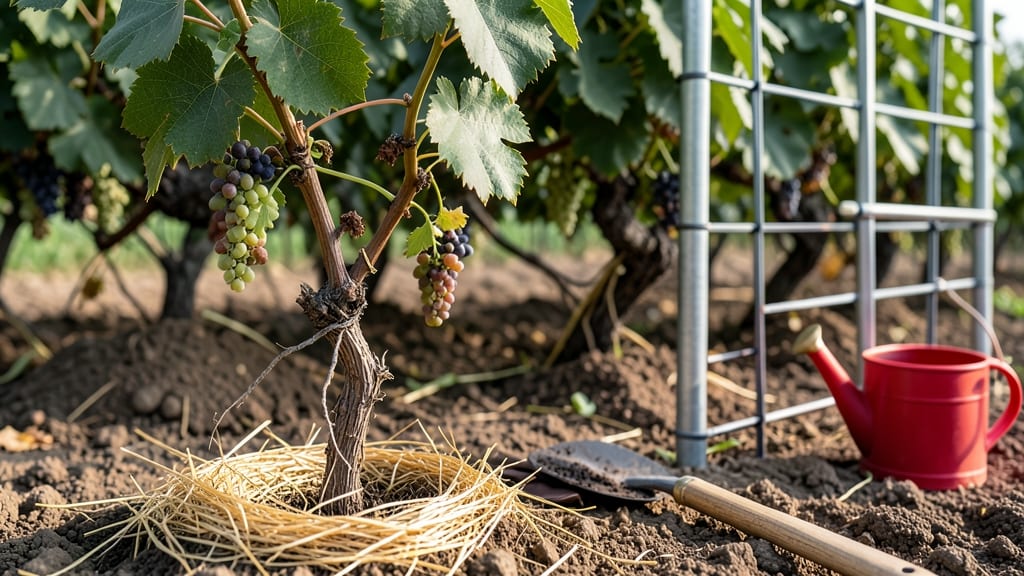
Planting grapes in Arizona during the cool winter months is the key to beating the desert heat and giving your 🍇 vines the best shot at thriving.
Picture this: you’ve just dropped your new grapevine into the ground, and within weeks, the Arizona sun is already roasting the soil. That’s why timing isn’t just about the calendar—it’s about catching the window when the earth is cool enough for roots to establish before the heat arrives.
In USDA Zone 9b, the ideal planting window stretches from November through February, when daytime highs dip below 75°F and the risk of late frost has passed. Miss this window, and you’re setting your vines up for stress—or worse, failure—before they even take hold.
Below, I’ll walk you through the exact months to plant in your specific Arizona region, how to prep the soil for desert conditions, and the three signs your grapes are ready to go in—no guesswork required.
Best months to plant grapes in Arizona’s Desert climate
Arizona’s desert climate creates unique challenges for grape growers. Unlike temperate zones, where spring planting is standard, Arizona’s winter months offer the perfect window for establishing vines.
The key is planting when soil temperatures stay below 75°F—this prevents shock and gives roots time to anchor before summer’s 110°F+ heat arrives. Miss this window, and your vines may struggle to survive the intense dry season.
Grapes thrive in Arizona’s USDA Zone 9b, but the state’s microclimates (Low Desert vs. High Desert) demand different strategies. Low Desert areas like Phoenix and Yuma have warmer winters and earlier frost risks, while High Desert regions like Flagstaff experience cooler temperatures and longer frost-free periods.
Understanding these differences ensures your vines establish roots before the heat peaks.
Soil preparation is critical. Arizona’s sandy, well-draining soils need amendments like compost or aged manure to retain moisture. Test your soil’s pH—grapes prefer 6.0–7.0. If your soil is too alkaline (common in desert regions), add sulfur or peat moss 4–6 weeks before planting.
This gives microbes time to adjust the pH naturally.
Here’s the science-backed schedule for planting grapes in Arizona, tailored to the state’s distinct regions:
| Region | Ideal Planting Window | Soil Temp Threshold | Frost Risk | Prep Timeline |
|---|---|---|---|---|
| Low Desert (Phoenix, Tucson, Yuma) | November–January | 45–65°F | Low (Jan–Feb) | Soil prep: October; Plant by Dec 15 |
| High Desert (Flagstaff, Prescott) | December–February | 40–55°F | Moderate (Nov–Mar) | Soil prep: November; Plant by Jan 31 |
| Container Growing (Anywhere) | November–February | 50–60°F | Low (if protected) | Use 15+ gallon pots; prep 2 weeks early |
⚠️ Note: Bare-root vines are best for Arizona’s climate. Avoid potted vines in summer—they’ll dry out before roots establish.
For Low Desert regions, aim to plant by mid-December. The soil should be cool but workable, not frozen. Use a soil thermometer to confirm temperatures are between 45–65°F.
In Phoenix or Tucson, frost is rare after January 15, so don’t delay planting if conditions are right. High Desert areas like Flagstaff can plant later due to cooler temps, but avoid planting after February 15—vines need 8–10 weeks to establish roots before summer heat arrives.
If you’re growing grapes in containers, the rules change slightly. Containers heat up faster and dry out quicker, so plant 2–3 weeks earlier than in-ground vines. Use 15-gallon pots minimum and place them in partial shade during the hottest part of winter (noon–3 PM).
Mulch heavily with straw or wood chips to retain moisture and regulate temperature. Container grapes also benefit from drip irrigation to keep roots consistently moist.
After planting, mulch heavily (3–4 inches) with straw or wood chips to lock in moisture and protect roots from temperature swings. In Arizona, mulch also reduces soil evaporation by up to 70%, which is critical during the spring warming when vines are still vulnerable.
Water deeply once a week for the first month, then taper to every 10–14 days once roots establish. Avoid overhead watering—it promotes fungal diseases like powdery mildew, which thrives in Arizona’s humid monsoon season.
One common mistake Arizona gardeners make is planting too late. Vines planted in March or April often suffer from transplant shock when summer temperatures soar. If you miss the winter window, consider container growing or shade cloth to protect young vines until they’re established.
For best results, stick to the November–February schedule and choose desert-adapted varieties like ‘Antequera’ or ‘Thompson Seedless’, which handle heat and drought better than traditional European grapes.
Finally, monitor your vines for early signs of stress, like yellowing leaves or wil
How Arizona’s microclimates affect grapes planting timing
Arizona’s diverse microclimates create unique challenges for grape growers. The Low Desert (Phoenix, Yuma) and High Desert (Flagstaff) have opposing planting windows due to elevation and temperature swings. In Phoenix, November through January offers cooler soils, while Flagstaff’s March to April timing avoids late frosts.
Understanding these regional cues ensures your vines establish roots before summer’s brutal heat arrives.
Each Arizona region has distinct monsoon patterns that impact planting success. The Sonoran Desert monsoons (July-September) in Tucson and Yuma provide critical moisture, but planting too late risks overwatered roots before dormancy.
Meanwhile, Phoenix’s shorter monsoon season demands precise irrigation timing to prevent stress. These regional rainfall rhythms dictate whether you’ll need supplemental watering or can rely on natural cycles.
Elevation differences create dramatic temperature shifts. Flagstaff’s 7,000-foot elevation allows planting up to March 15, while Yuma’s sea-level conditions require planting by January 31 to avoid 110°F+ soil temperatures. The 10°F temperature drop per 1,000 feet means Flagstaff’s vines face frost risks long after Phoenix’s last frost date has passed.
| Region | Best Planting Window | Elevation (ft) | Key Climate Factor | Monsoon Impact |
|---|---|---|---|---|
| Phoenix | November 15 - January 15 | 1,100 | Soil temps >90°F after Jan | Short monsoon (July-Aug) |
| Tucson | November 1 - February 1 | 2,500 | Late frosts possible | Long monsoon (June-Sept) |
| Yuma | October 15 - January 31 | 200 | Extreme heat year-round | Minimal monsoon effect |
| Flagstaff | March 1 - April 15 | 7,000 | Late spring frosts | Snowmelt irrigation |
Leveraging desert rainfall patterns can reduce your watering workload. In Tucson, time planting to align with the monsoon’s first rains (typically late July), which naturally hydrate the soil.
For Phoenix gardeners, pre-monsoon planting (November) means establishing roots before summer drought sets in. Yuma’s lack of monsoon rains requires drip irrigation systems for consistent moisture during establishment.
Container planting offers flexibility for microclimate challenges. Move potted vines to shaded areas during summer’s peak heat (June-August) in Phoenix, then return them to full sun as temperatures drop. This strategy works particularly well for Flagstaff’s shorter growing season, where containers can be protected from late frosts.
Just ensure pots have drainage holes and use well-draining cactus mix to prevent root rot.
Adjust your soil preparation timing based on regional conditions. In Yuma, amend soil with compost in September to give microbes time to activate before planting. For Flagstaff, wait until mid-April to work the soil, as earlier disturbance risks frost damage to tender roots.
Test soil pH (ideal: 6.0-6.5) and add sulfur if needed, as Arizona’s alkaline soils often require acidification for optimal grape growth.