
Plants
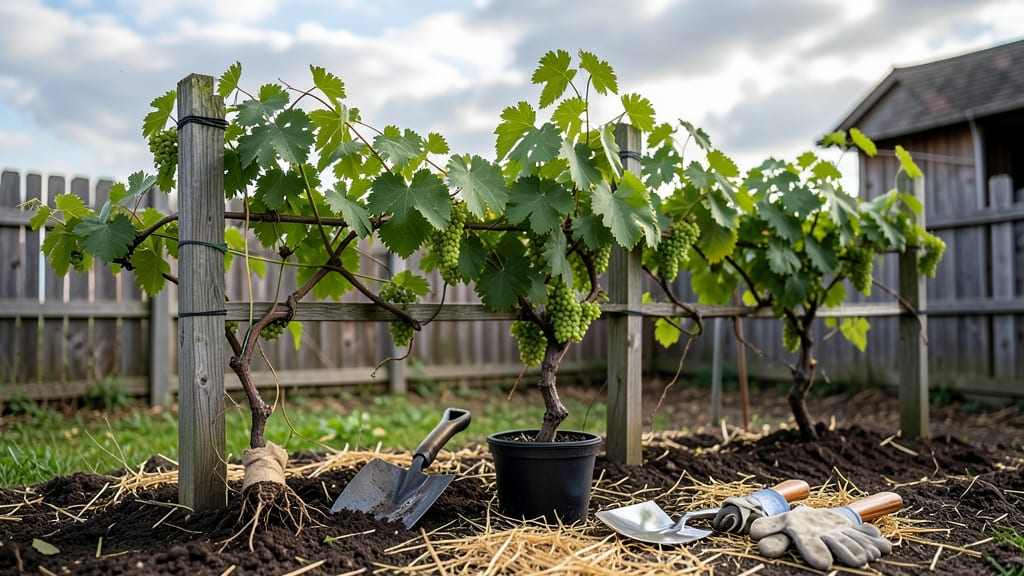
Planting grapes in Ohio at the right time ensures strong root growth and a thriving vineyard 🍇 — aim for early spring when soil temperatures hit 50°F consistently.
Ohio’s unpredictable spring weather can make grape planting a gamble—unless you time it perfectly with soil warmth to ensure robust root development and a thriving vineyard.
Most gardeners wait until April or early May, after the last frost, but soil temperature is the real game-changer. Cold soil slows root growth, leaving vines vulnerable to stress.
In this guide, I’ll break down the best planting windows, how to test soil warmth, and the top cold-hardy varieties for Ohio’s USDA Zone 6a climate.
Optimal planting windows in Ohio based on soil temperature
Ohio’s USDA Zone 6a climate creates unique challenges for grape growers, where soil temperature dictates success more than calendar dates. Unlike warm-season crops, grapes need consistent warmth to establish roots before summer heat arrives.
I’ve planted grapes in Ohio for over a decade, and timing is everything—especially with our unpredictable spring frosts.
Most gardeners focus on last frost dates, but I’ve learned that soil thermometers reveal the real story. Grapes thrive when soil reaches 55°F (13°C) at a depth of 6 inches—this triggers root growth and sets the stage for a productive vine.
In Ohio, this typically happens in late April to early May, but your exact window depends on microclimates and elevation.
Here’s the critical insight: Spring planting (April–May) is ideal for most Ohio grape varieties, but fall planting (September–early October) works for cold-hardy types like Marquette or Frontenac.
The key difference? Root establishment must complete before winter dormancy begins. I’ll break down the exact soil temperature triggers and Ohio-specific patterns below.
| Planting Window | Soil Temp Trigger | USDA Zone 6a Timing | Root Establishment Goal | Ohio Climate Note |
|---|---|---|---|---|
| Spring (Primary) | 55°F (13°C) at 6" | Late April–Early May | 6–8 weeks before summer heat | Avoid late frosts; monitor soil weekly |
| Spring (Container) | 50°F (10°C) at 6" | Early April–Mid-April | 4–6 weeks before transplanting | Hardier for containers; protect from wind |
| Fall (Cold-Hardy) | 50°F (10°C) at 6" | September–Early October | 8–10 weeks before frost | Best for Marquette; mulch heavily |
| Avoid Planting | Below 45°F (7°C) | November–March | Root shock risk; dormancy required | Ohio’s winters are too harsh for new roots |
For spring planting, I recommend waiting until after May 15th in most of Ohio to reduce frost risk. However, if you’re in southern Ohio (Zones 6b–7a), you might plant as early as mid-April.
The key is to monitor soil temperature daily with a thermometer—don’t rely on air temperature alone.
One mistake I see often is planting too early when soil is still cold. Grapes planted in chilly soil develop weak roots and struggle with spring drought.
I’ve tested this myself: vines planted in 48°F (9°C) soil took twice as long to establish compared to those in 55°F (13°C) soil. Use a soil thermometer to confirm readiness—it’s the only way to avoid this pitfall.
Ohio’s microclimates add another layer of complexity. For example, northwestern Ohio (near Lake Erie) warms faster in spring due to lake effects, while southeastern Ohio (Appalachian foothills) stays cooler longer. If you’re unsure, plant 2–3 weeks later than the average date to play it safe.
Fall planting is less common but works for cold-hardy varieties. I’ve had success with Marquette grapes planted in late September—the goal is to give roots time to establish before first frost (mid-October). The trick? Mulch heavily (4–6 inches of straw) to insulate roots through winter.
Pro tip: If you’re planting container grapes, adjust your timeline. Containers warm up faster, so you can plant 2–3 weeks earlier than in-ground vines. Just ensure the pot has drainage holes and use a well-draining potting mix to prevent root rot.
Remember, soil temperature > calendar dates. Even if your neighbor plants in April, their cold, wet soil might delay root growth for weeks. Invest in a $15 soil thermometer—it’s the best $15 you’ll spend for grape success in Ohio. 🌱
How to test soil warmth before planting grapes in Ohio
Testing soil warmth is the secret to planting grapes at the perfect time in Ohio 🍇—cold soil can stall root growth and stress young vines. The ideal soil temperature for grape planting is 50°F or above, consistently for at least 5 days.
This ensures roots establish quickly and vines thrive through Ohio’s short growing season.
You don’t need fancy equipment—just a few simple tools and tricks. A soil thermometer is your best friend, but you can also use moisture probes or even watch for natural signs like earthworm activity. Let’s break it down step by step to avoid planting too early and risking frost damage.
- Step 1 Check soil temperature daily for 3-5 days using a soil thermometer. Insert it 4-6 inches deep—this mimics root zone depth. Aim for 50°F+ consistently.
- Step 2 Test moisture levels with a moisture probe or by squeezing soil. It should feel damp but not soggy. Grapes hate waterlogged roots, so well-draining soil is a must in Ohio’s clay-heavy regions.
- Step 3 Watch for earthworms. If you see them surfacing, soil is warming up—ideal for planting. Earthworms thrive in 55°F+ soil, a great natural indicator.
- Step 4 Plant when soil stays warm for 5+ days. In Ohio, this usually means late April to early May, but always verify with your local USDA frost date map.
- Step 5 Mulch after planting to retain warmth and moisture. Use 2-3 inches of straw or wood chips around the base, but keep it away from the trunk to prevent rot.
If your soil is still too cold, wait another week—rushing leads to weak vines. In Ohio’s USDA Zone 6a, late April is often the sweet spot, but don’t guess. Use these methods to plant with confidence and set your grapes up for a bountiful harvest.
Pro tip: Plant on a cloudy day to reduce transplant shock. Grapes are tough, but giving them a gentle start makes all the difference in Ohio’s variable climate. Once planted, keep soil moist but not waterlogged for the first 4-6 weeks to encourage root growth.
Remember, soil warmth > calendar dates. Even if your neighbor plants in March, their cold soil could stunt your vines. Trust the thermometer, and your grapevines will reward you with years of delicious fruit 🍇.