
Plants
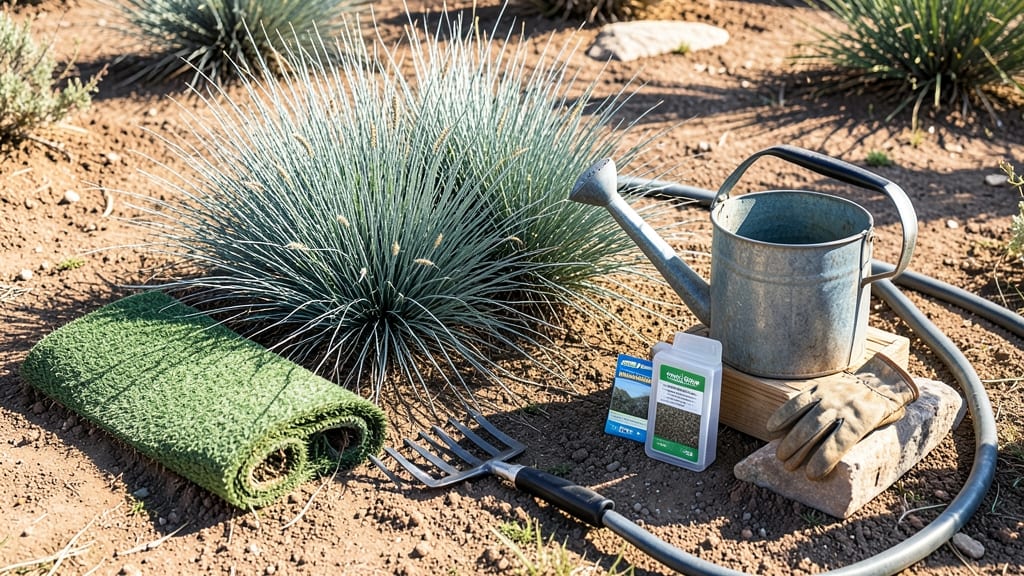
Planting grass in New Mexico at the right time ensures fast root growth and a lush lawn before the extreme heat or cold sets in.
Timing your grass planting in New Mexico’s extreme climate can mean the difference between lush green lawns and months of bare soil—here’s the science-backed window for success.
In USDA zones 5b-8a, the best months to plant grass are late summer to early fall (August-September) or early spring (March-April), when soil temperatures are ideal for germination.
Below, I’ll break down the exact planting windows by region, the best grass varieties for New Mexico’s conditions, and how to adjust for monsoon delays or early freezes.
Optimal New Mexico grass planting months by region and climate Zone
New Mexico’s diverse climate zones and microclimates create unique challenges for grass planting. Whether you’re in Albuquerque’s high desert (Zone 7a-8a), Santa Fe’s cooler elevations (Zone 5b-7a), or Las Cruces’ southern plains (Zone 8a-9a), timing is everything.
Planting too early risks frost damage, while waiting too long can lead to heat stress or dormancy before roots establish.
For most of New Mexico, the best planting windows are late summer to early fall (August-September) or early spring (March-April). These periods balance soil moisture, temperature consistency, and rainfall patterns.
However, your specific region—and even your neighborhood’s elevation—can shift these windows by weeks. Let’s break it down by area so you can plant with confidence.
Pro Tip: Test your soil’s moisture and temperature before planting. Ideal soil temps for grass seed germination are between 60-75°F. Use a soil thermometer (available at garden centers) to check—especially in southern New Mexico, where summer heat can bake the soil.
| Region | USDA Zone | Best Planting Window | Key Climate Factors | Grass Type Recommendation |
|---|---|---|---|---|
| Northern NM (Albuquerque) | 7a-8a | Late August - Early September OR Mid-March - Early April |
Hot summers, cool nights, low humidity, monsoon rains (July-Sept) | Tall Fescue (cool-season) Bermuda Grass (warm-season) |
| Central NM (Santa Fe) | 5b-7a | Early September - Mid-October OR Late April - Early May |
Cooler temps, higher elevation, shorter growing season, frost risk until May | Fine Fescue (cool-season) Blue Grama (drought-tolerant) |
| Southern NM (Las Cruces) | 8a-9a | Late July - Early August OR February - Early March |
Extreme heat, low rainfall, long growing season, minimal frost | Buffalo Grass (native, drought-resistant) Zoysia (heat-tolerant) |
In Northern New Mexico (like Albuquerque), the fall planting window is critical because summer heat can stress new grass. Aim for late August to take advantage of monsoon rains while avoiding the 100°F+ temps of July.
If planting in spring, wait until mid-March when soil temps stabilize above 60°F. Tall Fescue thrives here—it handles the temperature swings and low humidity better than other varieties.
For Central New Mexico (Santa Fe and surrounding areas), the shorter growing season means you’ll need to plant earlier in fall (early September) or later in spring (late April).
The higher elevation delays soil warming, so avoid planting before May 1—frost can still hit in April. Fine Fescue is your best bet; it tolerates cooler temps and drought conditions once established.
Southern New Mexico’s (Las Cruces) longer growing season and warmer winters allow for a wider planting window, but July and August are ideal to beat the peak summer heat. If you plant in spring, February is your last chance before the soil becomes too hot. Buffalo Grass is native and drought-resistant, making it a top choice for this region’s arid conditions.
Regardless of where you live in New Mexico, avoid planting in extreme heat (above 90°F) or during freeze risks. Pay attention to local weather forecasts and soil moisture levels.
If you’re unsure, test your soil’s readiness with a simple moisture meter—grass seed needs consistent moisture to germinate, and New Mexico’s unpredictable rainfall can make this tricky.
One final tip: Use a starter fertilizer with high phosphorus (look for a 10-20-10 ratio) when planting. This boosts root development, helping your grass establish faster in New Mexico’s challenging conditions. Water deeply twice daily for the first two weeks to keep the soil moist but not soggy.
How to adjust planting timing for New Mexico’s unique weather patterns
New Mexico’s weather throws curveballs—unpredictable monsoons, early freezes, and dry soil can derail even the best-laid planting plans. Unlike most states, your grass seed won’t thrive on a strict calendar here. Instead, watch for soil temperature cues and moisture triggers to time your planting perfectly.
For example, in Albuquerque (Zone 7a), the ideal window shifts from late August to mid-September to avoid the scorching July heat. Meanwhile, Santa Fe (Zone 6b) gardeners often wait until late May to dodge late spring frosts. The key? Test soil readiness before planting—more on that below.
⚠️ WARNING: Monsoon Delays Can Ruin Your Grass
New Mexico’s monsoon season (July-September) brings sudden downpours that can wash away fresh seed or cause fungal growth. If planting in late summer, wait until after the first major rain event—but before soil temperatures drop below 60°F. For spring planting, avoid scheduling right before predicted storm fronts.
💡 Pro Tip: Use a soil thermometer—plant when temps are 60-75°F for cool-season grasses or 75-85°F for warm-season types like Bermuda.
Soil moisture is another critical factor. In drought-prone areas like Las Cruces (Zone 8a), I recommend pre-watering the soil 24 hours before planting to ensure seeds stay hydrated.
Use a moisture meter to confirm top 2 inches of soil are damp—not soggy. Overwatering can drown seeds, while underwatering leads to poor germination.
Starter fertilizer is a game-changer in New Mexico’s thin soils. Apply a low-nitrogen starter fertilizer (10-10-10) at planting to give seeds a nutrient boost. For fall planting, I add a slow-release fertilizer to support root growth before winter dormancy.
Skip starter fertilizer in spring if you’ve already amended the soil with compost—too much nitrogen can burn tender seedlings.
Don’t forget to adjust for elevation. High-altitude areas like Taos (Zone 6a) may need a 2-3 week earlier planting window than lower elevations. Check the National Weather Service’s frost predictions and add 10-14 days of buffer time before your target planting date to account for unexpected cold snaps.
Finally, mulch lightly after planting to retain moisture and regulate soil temperature. Use straw (not wood chips), as it breaks down quickly and won’t smother seedlings. In windy areas, secure mulch with a lightweight landscape fabric to prevent erosion.
By combining soil temperature checks, moisture monitoring, and weather adjustments, you’ll outsmart New Mexico’s unpredictable growing conditions and get that lush lawn you’ve been dreaming of. 🌱