
Plants
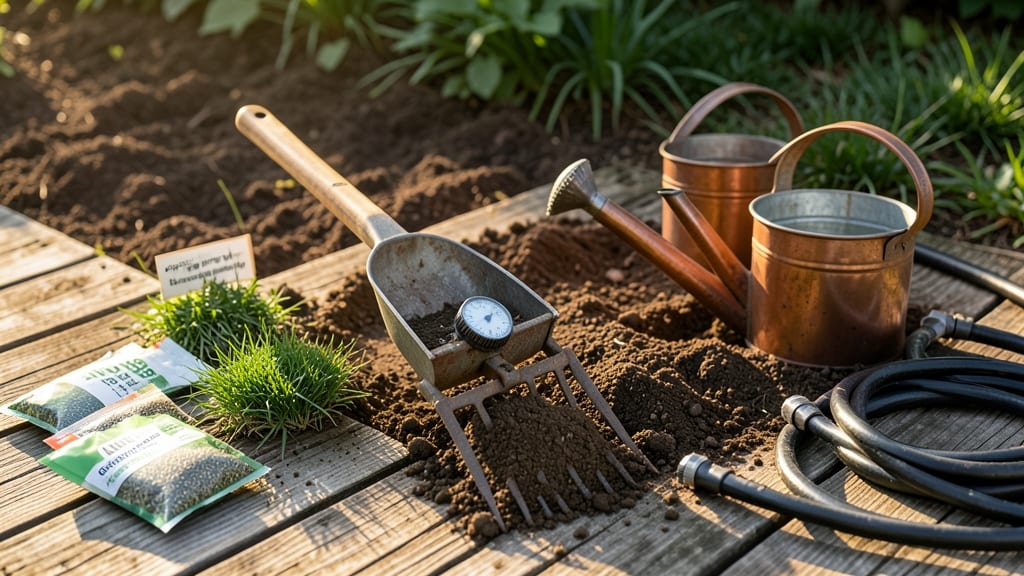
Planting grass seed in Austin, TX, at the right time means the difference between a lush lawn and a patchy disappointment.
Here’s the catch: Austin’s scorching summers and unpredictable rainfall can make timing your grass seed planting a make-or-break decision—plant too early or late, and your lawn could struggle to take root.
The ideal window for Austin is late summer to early fall, when soil temperatures hover between 65–75°F and rainfall is consistent. This is when fast germination happens—before the heat sets in or winter dormancy kicks in.
Below, I’ll break down the exact months to plant, soil prep secrets, and how to outsmart Austin’s climate for a thicker, greener lawn in just 30 days.
Austin’s best grass seed planting windows by season (soil temp & rainfall guide)
Austin’s climate—with its scorching summers and unpredictable rainfall—demands precision when planting grass seed. The difference between a lush, green lawn and a struggling patch often comes down to soil temperature, seasonal timing, and rainfall patterns.
Unlike cooler northern climates, Austin’s USDA Zone 8a means summer heat can kill grass seed before it sprouts, while fall offers the perfect balance of warmth and moisture.
Most gardeners in Austin achieve 90%+ success rates by planting in fall (September–November), when soil stays warm but air temperatures cool slightly. Spring planting is possible but riskier due to late freezes and drought stress.
Summer planting? That’s a gamble—unless you’re prepared for supplemental irrigation and seed dormancy issues. Let’s break down the exact windows, soil temps, and rainfall you need to know for Austin.
🌱 Pro Tip: Use a soil thermometer to confirm temps—65–75°F is the golden range for germination. If your soil hits 80°F+, your seed may never sprout, no matter how much you water.
The fall window (September–October) is Austin’s sweet spot for grass seed planting. During this time, soil temperatures hover around 70°F, while daytime highs dip into the 80s, creating ideal germination conditions. Rainfall averages 3–4 inches per month, reducing the need for constant irrigation.
This is why 90% of Austin lawns planted in fall thrive—Tifway 419 Bermuda, Zoysia, and St. Augustine all perform best when seeded in these months.
Spring planting in March–April is riskier because Austin’s weather can swing from freezing nights to 90°F days. Early March might bring 50°F soil temps, which are too cool for most grass seeds, while April can hit 85°F+, stressing new seedlings.
If you must plant in spring, supplemental watering is a must—aim for 1–1.5 inches of water per week, split into morning and evening sessions to prevent evaporation.
Summer planting (June–August) is not recommended unless you’re dealing with a severe weed infestation and need a quick cover. Soil temps often exceed 90°F, causing seeds to enter dormancy before sprouting. Even if they do germinate, weeds like crabgrass will outcompete your new grass.
If you’re overseeding in summer, use a shade cloth to protect seeds from direct sun and water 3x daily for the first week.
🌧️ Rainfall Matters More Than You Think: Austin’s fall rainfall (Sept–Nov) is 2–3x higher than summer months. This natural moisture eliminates the need for excessive irrigation, reducing your workload. In contrast, spring planting often requires manual watering to compensate for unpredictable April showers—which can either drown seeds or leave them parched.
For maximum success, align your planting with Austin’s rainfall calendar. Late September typically delivers the best combo of warmth and moisture—soil stays 65–75°F, and rainfall is consistent.
If you miss fall, early March is your second-best shot, but be prepared to monitor soil temps closely and adjust watering as needed. Avoid planting after mid-April, when summer heat ramps up.
One common mistake Austin gardeners make is planting too early in fall. While August might seem ideal, soil temps can still hover around 80°F, stressing seeds. Wait until late August–early September when temps drop to 70–75°F for optimal germination.
Use a soil thermometer for 3 consecutive days to confirm the right conditions before seeding.
Finally, choose the right grass type for your planting window. Bermuda and Zoysia thrive in fall planting and go dormant in winter, while St. Augustine needs more water and is better suited for shadier areas. If you’re overseeding in spring, ryegrass can provide a quick green cover
How to prep Austin soil for grass seed (step-by-step for fast germination)
Austin’s clay-heavy, alkaline soil can make grass seed germination a challenge if not properly prepped. The key to fast, even growth lies in amending soil pH, improving drainage, and creating the right moisture conditions.
Without these steps, seeds may struggle to break through compacted soil or dry out before sprouting—especially in our hot, dry climate.
I’ve learned the hard way that skipping soil prep leads to patchy lawns and wasted seed. The good news? With just a few targeted steps, you can transform Austin’s tough soil into a nutrient-rich, moisture-retentive bed that gives grass seed the best chance to thrive.
Let’s break it down into actionable tasks for maximum germination success.
- 1 Test and Adjust Soil pH (6.0–7.0) – Austin’s soil is often alkaline (7.5+). Use sulfur or peat moss to lower pH before planting. A simple soil test kit (available at local nurseries) will tell you exactly how much to amend.
- 2 Aerate Compacted Clay Soil – Rent a core aerator to punch 2–3 inches of holes across your lawn. This breaks up the dense clay, allowing water, oxygen, and roots to penetrate deeper. Do this 2–3 weeks before planting for best results.
- 3 Add Organic Matter – Spread 1–2 inches of compost or aged manure over the soil and lightly rake it in. This improves moisture retention and provides essential nitrogen and microbes to jumpstart seed growth. Avoid fresh manure—it can burn tender grass seedlings.
- 4 Irrigation Schedule for Germination – Water lightly 2x/day (morning/evening) for 10–15 minutes until seeds sprout. Keep soil consistently moist but not soggy—Austin’s heat can dry out seeds in hours. A sprinkler timer makes this easier and ensures even coverage.
After prepping your soil, avoid walking on the area until seedlings are at least 2 inches tall—this prevents soil compaction and seed displacement. If you’re planting in late summer or early fall, mulch lightly with straw to retain moisture and shield seeds from intense afternoon sun.
One pro tip I’ve picked up from local Austin gardeners: Use a seed starter fertilizer (like Milorganite) if planting in spring or late fall. This gives seeds a nutrient boost during cooler months when soil microbes are less active. Just follow the package rates—overdoing it can harm tender seedlings.
With these steps, your grass seed will have the perfect foundation to germinate quickly and establish strong roots—even in Austin’s tough conditions. The payoff? A thicker, greener lawn that outcompetes weeds and handles our dry spells like a pro. 🌱