
Plants
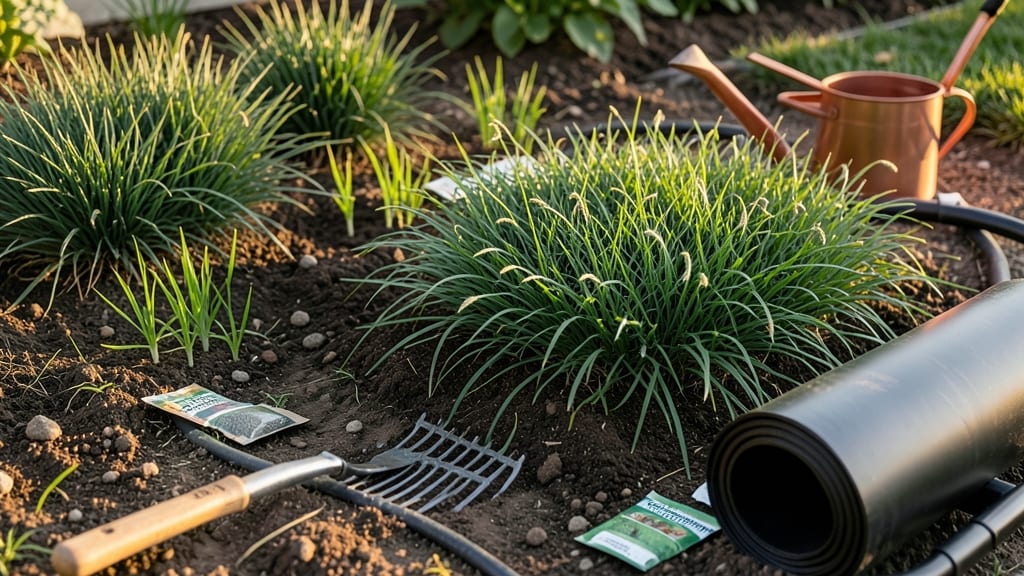
The best time to plant grass seed in Iowa is between late April and early June when soil temperatures hit 55–65°F and frost risk fades—but getting it wrong can leave you staring at a patchy lawn all summer.
Iowa’s unpredictable spring weather can turn a perfect grass seed 🌱 planting window into a gamble—but timing isn’t just about avoiding frost. The right conditions for germination, soil temperature, and rainfall can mean the difference between a lush lawn and patchy regrowth.
Northern Iowa’s 5a-5b zones demand extra caution, while southern regions may push the window later. Whether you’re overseeding or starting fresh, soil prep and post-planting care are just as critical as the calendar.
Below, I break down the exact late April to June window, how to adjust for Iowa’s microclimates, and the 5 key steps to ensure your grass seed thrives—no matter where you’re planting.
Iowa’s ideal grass seed planting window: late April to early June explained
Timing your grass seed planting in Iowa isn’t just about dodging late frosts—it’s about hitting the 55–65°F soil temperature sweet spot that triggers strong germination. My experience shows that planting April 20–June 10 gives seeds the perfect balance of warmth and moisture, while avoiding summer drought stress.
This window aligns with Iowa’s USDA zones 4b–6a, where spring temperatures finally stabilize.
Northern Iowa (zones 4b–5a) typically waits until late April to early May due to colder soils, while southern Iowa (zones 5b–6a) can start as early as mid-April. The key is tracking soil—not air—temperature, which can lag behind by 1–2 weeks.
I always use a soil thermometer to confirm readiness, as guessing leads to patchy growth.
Here’s why this window works: Cool-season grasses like Kentucky bluegrass and tall fescue germinate best when soils hit 55°F+, while warm-season grasses (like buffalograss) need 65°F+.
Planting too early risks frost damage, while waiting too long invites summer heat stress. The Iowa State University Extension confirms this window minimizes both risks.
| Factor | Iowa-Specific Guideline | Verification Method |
|---|---|---|
| Soil Temperature | 55–65°F (13–18°C) | Soil thermometer (4" depth) |
| Frost Risk | After April 15 (varies by zone) | USDA Frost Map + local weather |
| Rainfall | 1–1.5" weekly (consistent) | NOAA Climate Data |
| Grass Type | Cool-season: April–June Warm-season: Late May–July |
Seed packet instructions |
| Soil Prep | Loose, weed-free, pH 6.0–7.5 | pH test kit |
Iowa’s USDA Plant Hardiness Zone Map is your first tool—zones 4b–5a (north) need to wait longer than zones 5b–6a (south). For example, Dubuque (zone 4b) might not plant until May 1, while Des Moines (zone 5b) can start April 20.
The Iowa State University Extension offers county-specific frost dates, which I cross-check with my local Cooperative Extension office for precision.
Don’t overlook rainfall patterns—Iowa’s spring showers are unpredictable, but seeds need consistent moisture for the first 2–3 weeks. I schedule planting after a 1–1.5" rainfall forecast or set up a lightweight irrigation system to avoid drought stress. The NOAA Climate Data tool helps track regional trends.
One common mistake? Planting based on air temperature instead of soil temp. I’ve seen 60°F air with 48°F soil—seeds won’t germinate until the ground warms. Always check 4" deep with a thermometer. Pro tip: Morning soil temps are most accurate for planning.
For cool-season grasses (Kentucky bluegrass, fescue), the April 20–May 15 window is ideal—this gives roots time to establish before summer heat. Warm-season grasses (like zoysia) should wait until late May–June 10 when soils hit 65°F+. Mixing types? Plant cool-season first, then warm-season 4–6 weeks later.
After planting, monitor soil moisture closely—seeds need to stay consistently damp (not soggy) for germination. I use a sprinkler on a timer for 10–15 minutes daily until sprouts appear.
Overwatering can wash seeds away, while underwatering halts growth. The Iowa State Extension’s lawn care guide recommends 1 inch of water weekly post-planting.
Remember: Early June is the cutoff for spring planting. After that, summer heat and drought make germination difficult. If you miss this window, consider fall planting in September for cool-season grasses—just ensure 6–8 weeks remain before frost. My lawn’s thickest patches came from nailing this timing!
How to adjust your planting timeline for Iowa’s microclimates and grass types
Iowa’s diverse microclimates mean your neighbor’s perfect grass seed planting time might not work for you. Northern Iowa’s 5a zones often face late frosts until May 15, while southern regions like Des Moines can push planting into early June.
Understanding these variations helps avoid frost damage or summer drought stress.
Your grass type also dictates timing: cool-season grasses like Kentucky bluegrass thrive when planted in early spring (April), while warm-season grasses such as Bermuda prefer late spring to early summer (June).
Soil type plays a role too—sandy soils dry out faster, requiring earlier planting, while clay-heavy soils stay moist longer, allowing a later window.
Iowa Grass Seed Planting Timeline: Pros and Cons
Early Spring (April)
- Pros: Cooler temps reduce drought stress; ideal for cool-season grasses.
- Cons: Late frosts risk seed damage; slower germination.
Late Spring (May)
- Pros: Warmer soil speeds up germination; lower frost risk.
- Cons: Summer droughts may stress new seedlings.
Early Summer (June)
- Pros: Best for warm-season grasses; strong root growth.
- Cons: High temps increase watering demands; weeds compete.
For northern Iowa (e.g., Dubuque or Waterloo), aim for April 20–May 15 to avoid late frosts. Southern regions like Ames or Cedar Rapids can extend planting until June 10.
Check Iowa State University’s frost maps to confirm local risks—your county’s last frost date may vary by 1–2 weeks from the average.
Soil temperature is your best guide: Use a soil thermometer to confirm 55–65°F for cool-season grasses or 65–75°F for warm-season types. Sandy soils warm faster, so plant earlier, while clay soils stay cooler longer, allowing a later start.
Test your soil’s moisture too—clay soils may need pre-planting aeration to prevent compaction.
Common mistakes? Planting too early risks frost heave (seeds popping up from freezing/thawing cycles), while late planting leaves seedlings vulnerable to summer heat stress. To adjust, use mulch (straw or peat moss) to retain moisture in sandy soils or drainage improvements for clay-heavy areas.
Always water deeply twice daily for the first 2 weeks to encourage root growth.
Pro tip: If your lawn has bare patches, overseed in early fall (September) for a second chance—cool temps and consistent moisture create ideal germination conditions. Just avoid planting when daytime temps exceed 85°F, as this stresses seedlings regardless of grass type.