
Planting
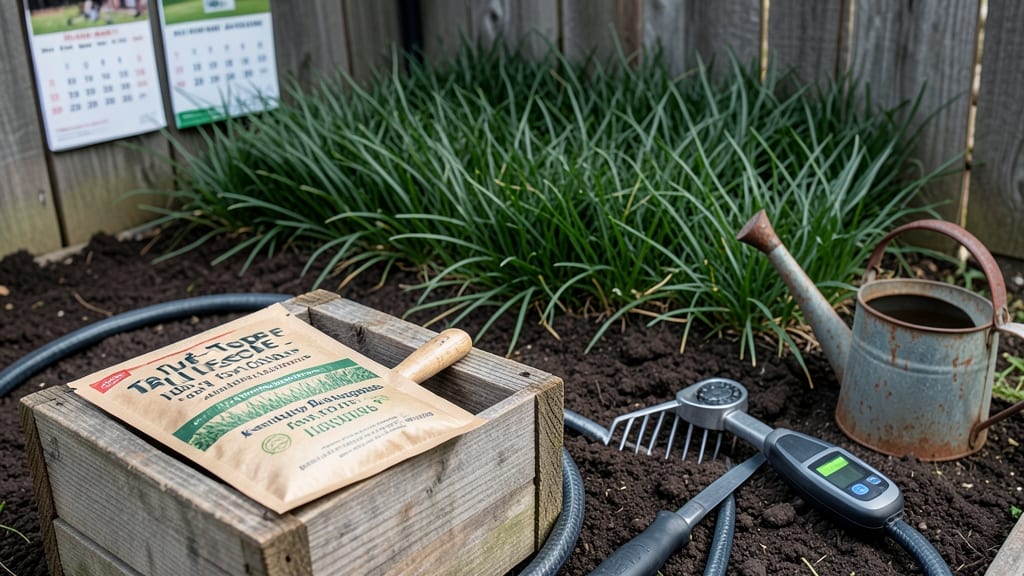
Plant grass seed in Illinois between early March and mid-April or again in September for the best frost-free window and soil conditions.
Timing matters more than you might think—plant too early, and a late frost will kill your tender seedlings. Too late, and summer heat can dry out the soil before the grass even takes root. I’ve seen both mistakes firsthand, and neither ends well.
In Illinois’s 5a-6b zones, soil temperatures need to hit 50°F or above for cool-season grasses like Kentucky Bluegrass or Fescue to germinate properly. That’s why the March-April window is your safest bet, but fall planting works too if you get it done before October.
Below, I’ll break down the exact frost dates by region, how to check soil temps without a fancy tool, and the 3 key steps to ensure your new grass grows thick and lush—no wasted seed or patchy lawns here.
Best planting windows in Illinois by region (northern vs southern)
Planting grass seed in Illinois requires precise timing to avoid frost damage and maximize germination. Northern Illinois (Chicago, Rockford) has cooler springs and earlier frosts, while Southern Illinois (St. Louis, Carbondale) enjoys longer growing seasons. Knowing your region’s frost dates and soil temperatures is key to a lush, healthy lawn.
For cool-season grasses like Kentucky Bluegrass and Tall Fescue, the ideal window is early spring (March-April) or early fall (September-October). Warm-season grasses like Bermuda or Zoysia prefer late spring (May-June) when soil temperatures consistently stay above 65°F.
Missing these windows can lead to slow growth, patchy coverage, or even seed failure.
Here’s how to align your planting with Illinois’ regional climate zones for best results:
In Northern Illinois, aim to plant 4-6 weeks before the last frost (around March 15) or 6-8 weeks before the first frost (around September 1). This gives seeds time to establish roots before extreme temperatures arrive.
For example, Chicago’s average last frost is April 15, so planting by April 1 ensures germination before summer heat sets in.
Southern Illinois gardeners have a slightly longer window due to milder winters. St. Louis and Carbondale can plant as early as March 1 and extend into October 15.
The warmer climate also allows for warm-season grasses like Zoysia, which thrive when soil temperatures exceed 65°F—typically by late April or May in this region.
Always check soil temperatures before planting. Use a soil thermometer ($10 at garden centers) to confirm 50-65°F for cool-season grasses or 65-75°F for warm-season varieties. If temperatures drop below these thresholds, germination slows or stops entirely, wasting your seed investment.
Pro tip: Overseeding in early fall (September-October) is ideal for both regions. Cooler temps reduce weed competition, and consistent rainfall boosts root development. Just avoid planting when frost is forecasted within 3-5 days—young grass is vulnerable to ice damage.
For warm-season grasses, wait until soil temperatures stay above 65°F for 5+ days. In Northern Illinois, this usually means late May, while Southern Illinois can start as early as mid-April. Planting too early risks seed rot from lingering cool, damp soil.
Regardless of region, prepare your soil first. Test pH (aim for 6.0-7.0), loosen compacted areas, and remove weeds. A well-prepped seedbed ensures 70-80% germination rates—the difference between a patchy lawn and a lush carpet of green.
Missed the window? Don’t panic. Northern Illinois can try late August for fall planting, while Southern Illinois might squeeze in a June seeding if soil temps cooperate. Just be prepared for slower establishment in less-than-ideal conditions. 🌱
Soil temperature and weather conditions for successful germination
Getting your grass seed germination right in Illinois means paying close attention to soil temperature and weather patterns. Cool-season grasses like Kentucky bluegrass and tall fescue thrive when soil temps hover between 50-65°F, while warm-season varieties such as Bermuda grass need 70-75°F to sprout.
Timing is everything—plant too early or late, and you risk late frosts or summer drought stunting your lawn’s growth.
Before planting, check your soil temperature at a depth of 2 inches. A simple soil thermometer (around $10) gives precise readings, but you can also use the DIY method: Press your hand into the soil for 5 seconds.
If it feels cool but not freezing, it’s likely in the ideal range for cool-season grasses. For warm-season grasses, the soil should feel warm to the touch, almost like a summer sidewalk.
Here’s a quick reference for ideal germination conditions in Illinois, broken down by grass type and season:
Avoid planting cool-season grasses in late summer or warm-season grasses before the last frost—both scenarios lead to poor germination. For example, seeding Kentucky bluegrass in July means battling heat stress and drought, while planting Bermuda grass in April risks late frosts damaging tender sprouts.
Always check your local frost-free date (typically April 15 in Northern Illinois and March 15 in Southern Illinois) and adjust accordingly.
Monitor your lawn’s weather forecast for at least 10 days after planting. Aim for a stretch of 5-7 days with consistent moisture (1-1.5 inches per week) and moderate temps. If a heatwave or heavy rain is predicted, delay planting until conditions stabilize.
Use a lightweight mulch like straw to retain moisture and protect seeds from drying winds or intense sun.
One common mistake is assuming soil temperature and air temperature are the same. Soil warms up slower than air, especially in clay-heavy soils common in Illinois. If your thermometer reads 60°F but the air is 75°F, wait a few more days—cool-season grass seeds may still struggle to sprout.
Pro tip: Water your soil the night before checking temps; moist soil conducts heat better and gives a more accurate reading.
Finally, don’t overlook the humidity factor. Low humidity in Illinois summers can dry out seeds faster than you think. If your area is prone to drought (like Western Illinois), consider using a seed starter fertilizer with a moisture-retaining polymer to give your grass a fighting chance.
With the right soil temperature, weather timing, and a little patience, your Illinois lawn will germinate like a dream.