
Plants
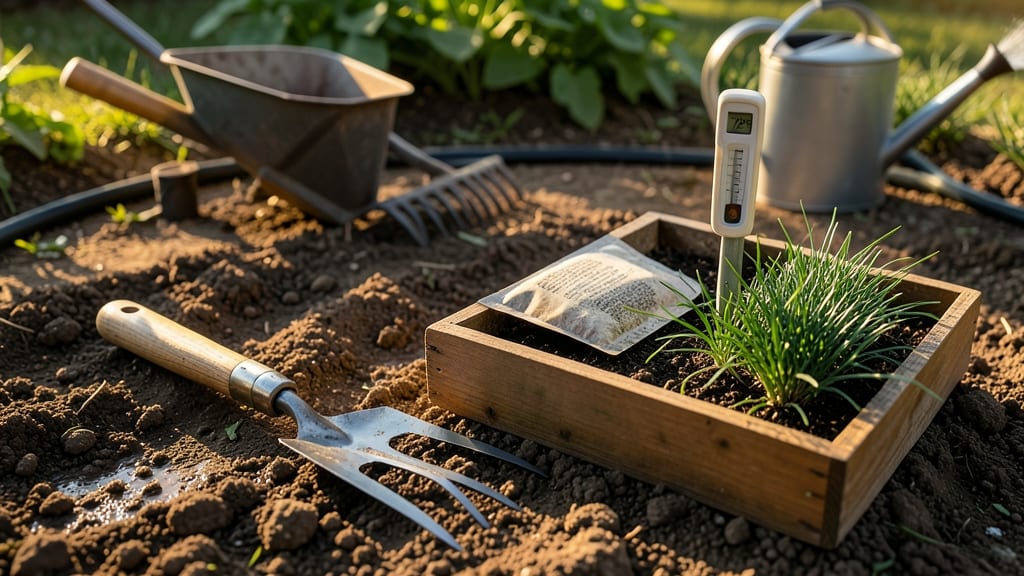
Planting grass seed in San Antonio at the right time means the difference between a thick, drought-resistant lawn and a patchy, heat-stressed mess.
San Antonio’s scorching summers and unpredictable rains can make grass seeding a high-stakes game—but timing it right in fall ensures deep roots, drought resistance, and a lush lawn that survives the Texas heat.
Most homeowners here assume spring is the only window, but the cooler temperatures and higher humidity of September through November actually give grass seed a fighting chance to germinate before winter slows things down.
In this guide, I’ll break down the exact fall planting window for your grass type, soil prep secrets for San Antonio’s clay-heavy dirt, and how to keep your new lawn alive through next summer’s brutal heat.
Best fall planting windows for San Antonio grass seed success
San Antonio’s fall season offers the perfect conditions for grass seed germination—cooler air, soil warmth, and consistent rainfall. Unlike spring, fall planting gives seeds time to establish deep roots before winter dormancy, ensuring your lawn survives Texas summers.
The optimal window spans from late September through November, but timing depends on your grass type and local weather patterns.
Cool-season grasses like Tall Fescue or Ryegrass thrive when soil temps hover between 60°F and 75°F. Warm-season grasses like Bermuda or Zoysia need slightly warmer soil, around 75°F to 85°F, making early fall the best bet.
Check your soil temperature before planting—use a soil thermometer or follow local weather updates for San Antonio’s frost dates (typically mid-December).
Here’s the ideal fall planting timeline for San Antonio, balancing rainfall, temperature, and soil moisture:
Why October is the golden month for San Antonio grass seeding: The average rainfall peaks (about 2–3 inches/month), reducing your watering workload. Morning dew points stay mild, preventing fungal diseases like brown patch that plague summer plantings. Plus, cooler nights help seeds retain moisture longer, boosting germination rates.
If you miss fall, early spring (March) is your backup window—but rush it, and you’ll battle spring heatwaves that dry out seeds before roots establish. Pro tip: Test your soil’s moisture by squeezing a handful; it should hold shape but not be soggy.
San Antonio’s clay-heavy soils can trap excess water, so amending with compost improves drainage and aeration.
Watch for unpredictable rain in November—if forecasts show heavy downpours, delay planting until skies clear. A 1-inch rain can wash away freshly sown seeds. Use a straw mulch (not wood chips) to protect seeds and retain moisture without smothering them.
For large lawns, consider a slit seeder to ensure even seed-to-soil contact.
Once seeds sprout (7–21 days depending on variety), shift to deep watering (1–1.5 inches per week) to encourage root depth. Avoid walking on new grass—its crowns are fragile. By December, your lawn should be dormant but rooted, ready to green up in spring with minimal stress.
This fall prep is your secret weapon against San Antonio’s summer droughts.
For Bermuda grass, aim for late August to early September—its aggressive growth needs warm soil to outcompete weeds. St. Augustine, however, prefers September to October when humidity drops slightly.
Always check the seed packet for days to germination—some varieties sprout in 5 days, while others take 3 weeks.
Remember: Fall planting = less summer stress
How to prepare San Antonio soil for fall grass seeding
Preparing your San Antonio soil for fall grass seeding is the foundation of a thick, drought-resistant lawn. The USDA Zone 8b-9a climate means your soil must balance moisture retention with proper drainage to handle both summer heat and winter rains.
Start by clearing the area of dead grass, rocks, and debris—this prevents competition with your new seedlings and ensures even seed contact with the soil. A simple rake or dethatching tool works best for this step.
Next, test your soil pH using a home test kit or send a sample to the Texas A&M AgriLife Extension. Ideal pH for most San Antonio grasses (like Bermuda or Zoysia) is between 6.0 and 7.0.
If your soil is too acidic, amend it with lime; if alkaline, add sulfur or peat moss. This adjustment takes 4-6 weeks before seeding, so plan ahead!
Now comes the critical step: aeration. San Antonio’s heavy clay soils compact easily, suffocating grass roots. Rent a core aerator or hire a pro to pull 3-4 inch deep holes across your lawn in a staggered pattern.
Follow up by top-dressing with a ½-inch layer of compost or sand to improve texture and nutrient availability. This combo boosts root penetration and water absorption.
⚠️ callout-warning
Don’t wait past November 1st! Grass seeds need 6-8 weeks to establish roots before winter dormancy. Planting too late risks shallow roots that brown out in next summer’s heat. San Antonio’s unpredictable rains after November can also wash away seeds—so aim for early to mid-October for best results.
Choosing the right grass seed variety is just as important as soil prep. For San Antonio, Bermuda grass thrives in heat but needs full sun and regular mowing, while St. Augustine handles shade but requires more water. Zoysia offers a middle ground with drought tolerance and low maintenance.
Mixing cool-season ryegrass with warm-season seeds in fall creates a transition lawn that stays green year-round.
After selecting your seed, spread it evenly using a broadcast spreader on a calm day to prevent clumping. Lightly rake the area to ensure seeds make contact with the soil, then water gently to settle them without displacing them.
Keep the soil consistently moist (not soggy) for the first 2-3 weekslight mulch of straw can help retain moisture and protect seeds from bird damage.
Finally, resist the urge to walk on or mow your new lawn for at least 4-6 weeks. Let the grass grow to 3-4 inches tall before your first mow to encourage deep root systems.
In San Antonio’s climate, this fall prep pays off big—your lawn will be heat-hardy and drought-resistant by next summer. With these steps, you’re set for a lush, low-maintenance lawn that outshines the neighborhood! 🌱