
Plants
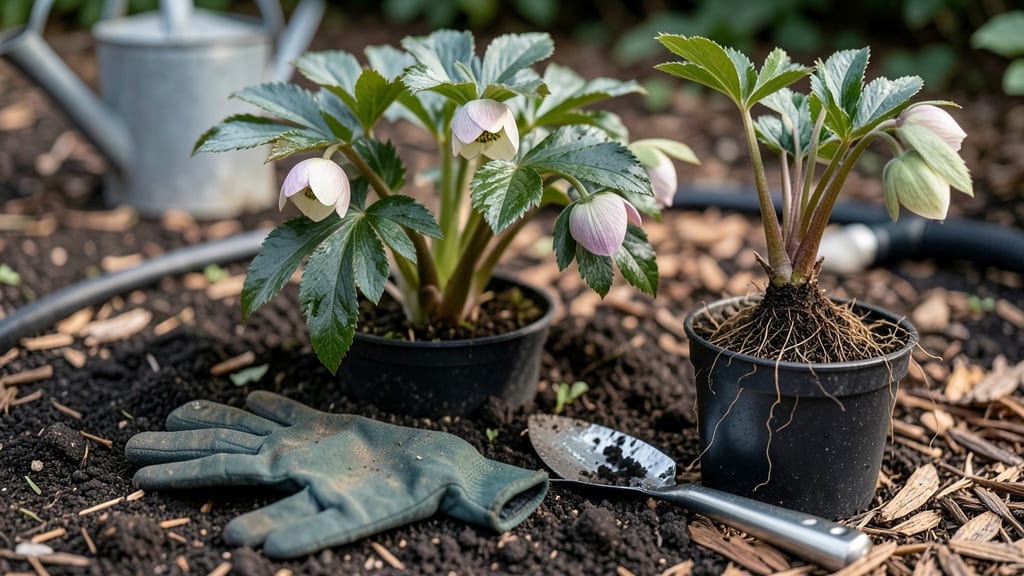
Planting hellebore in Zone 7 during fall or early spring sets the stage for vibrant blooms that defy the heat.
Picture this: your garden in late summer, while others wilt under the sun, your 🌸 hellebores stand tall with fresh, lush foliage—thanks to roots established just right. But timing matters. Plant too early, and frost can damage tender crowns; too late, and summer heat stresses them before they settle in.
Zone 7’s mild winters and hot summers mean hellebores need a head start. Fall planting (September to October) gives them time to root before winter, while early spring (March) ensures they’re ready for bloom season.
The key? Avoid the peak heat of late spring and summer, when even established plants struggle.
Below, I’ll break down the best months, soil prep secrets, and how to adjust for your microclimate—so you get blooms that last and a garden that thrives year-round.
Ideal planting months for hellebore in Zone 7: fall vs. spring breakdown
If you're growing hellebores in Zone 7, timing is everything—especially since these shade-loving perennials despise summer heat. Fall planting is my top recommendation, but spring works too if you act quickly.
The difference? Fall-planted hellebores develop stronger roots before winter, leading to earlier and more abundant blooms the following spring.
Zone 7 gardeners have a 6-week window in fall (mid-September to mid-October) when soil stays warm enough for roots to establish but cool enough to prevent stress. Spring planting, however, is riskier—you only get 4 weeks in March before summer heat arrives, leaving young plants vulnerable.
Here's why fall wins: cooler air temperatures mean less moisture loss from the soil, and hellebores can focus energy on root growth instead of battling heat stress. In spring, you're essentially racing against rising temperatures that can dry out newly planted crowns faster than you'd expect.
For container-grown hellebores, fall planting gives you an extra edge—potted plants experience less transplant shock because they're already adapted to cooler weather. In-ground plantings, meanwhile, benefit from natural soil insulation during winter, protecting delicate roots from freeze-thaw cycles.
| Factor | Fall Planting (Sept-Oct) | Spring Planting (March) |
|---|---|---|
| Soil Temperature | 55-65°F (ideal root growth) | 45-55°F (slower establishment) |
| Moisture Retention | High (cooler air = less evaporation) | Low (spring heat dries soil faster) |
| Bloom Timing | Earlier spring (4-6 weeks ahead) | Standard timing (late spring) |
| Root Development | Strong over winter (6+ weeks) | Limited (4 weeks max) |
| Heat Stress Risk | Low (planted before summer) | High (summer arrives quickly) |
| Best For | Established plants with bold blooms | Last-minute additions or replacements |
Don't let the first frost date (Oct 15) in Zone 7 scare you off—hellebores handle light frosts once established. The real deadline is mid-October, when daytime highs drop below 60°F consistently. For spring planting, aim for early March before soil temperatures creep above 55°F.
Pro tip: If you're planting in containers, fall is even better because you can move pots to sheltered spots during winter. In-ground plantings, meanwhile, benefit from mulching with 2-3 inches of shredded bark to protect roots during freeze-thaw cycles.
One common mistake I see is planting hellebores too deep—their crowns should sit just 1-2 inches below soil level. Deeper planting can cause rot, while planting too shallow leaves them vulnerable to temperature swings. Pair this with well-draining soil (amend with compost if needed), and you're golden.
For maximum blooms, pair fall planting with a light spring fertilizer (10-10-10) in early March. This gives your hellebores a boost just as they're breaking dormancy. Avoid fertilizing in summer—hellebores go semi-dormant to escape the heat, and feeding them then wastes resources.
Remember: Hellebores are shade lovers, but they still need 4-6 hours of morning sun for best blooms. Plant them where they get dappled light (like under deciduous trees) to avoid leaf scorch. With the right timing, you'll have stunning winter-to-spring blooms for years to come!
Hellebore varieties and their unique planting timing needs in Zone 7
Not all hellebores bloom at the same time, and in Zone 7, their planting timing varies based on variety. Helleborus niger (Christmas rose) thrives when planted in early fall for winter blooms, while Helleborus orientalis (Lenten rose) prefers late fall to early spring planting to avoid summer stress.
Each variety responds differently to Zone 7’s microclimates, especially in hotter microclimates where afternoon shade becomes critical.
Understanding these differences ensures your hellebores establish strong roots before summer heat arrives. For example, early-blooming varieties like Helleborus niger need cooler soil temps to trigger blooming, while late-blooming hybrids can handle slightly warmer soil but still benefit from moisture-retentive soil during summer dormancy.
| Variety | Best Planting Window | Bloom Time | Shade Needs | Zone 7 Tip |
|---|---|---|---|---|
| Helleborus niger (Christmas Rose) | Early fall (Sept-Oct) | Winter to early spring | Partial to full shade | Plant in cool microclimates (north side of structures) for best winter blooms. |
| Helleborus orientalis (Lenten Rose) | Late fall to early spring (Nov-Mar) | Late winter to spring | Partial shade (morning sun) | Avoid hot afternoon sun—use dappled shade in microclimates with intense summer heat. |
| Hybrid Hellebores (e.g., 'HGC' Series) | Fall or early spring | Winter to early summer | Partial shade to sun | Test microclimates—some tolerate more sun if soil stays moist. |
If you’re planting Helleborus niger, aim for September or October to give roots time to establish before winter. These varieties often bloom in December or January, so early planting ensures they’re not stressed by summer heat later.
For Helleborus orientalis, late fall (November) or early spring (March) works best—this timing aligns with their natural dormancy cycle and prevents summer wilting.
Hybrid varieties, like those in the 'HGC' series, offer more flexibility but still benefit from fall planting. These hybrids often bloom later, from February through April, making them ideal for extending your garden’s color palette.
In hotter microclimates within Zone 7, prioritize morning sun and afternoon shade to protect their delicate foliage.
For container gardening in Zone 7, adjust timing slightly—plant Helleborus niger in late September and Helleborus orientalis in early November to account for faster soil drying in pots. Always use well-draining soil and add organic mulch to retain moisture during summer’s peak heat.
Remember, hellebores reward patience. The earlier you plant, the more established your plants will be when summer arrives—meaning healthier growth and more abundant blooms the following year. Start with the right variety for your microclimate, and your garden will thank you with year-round interest.