
Plants
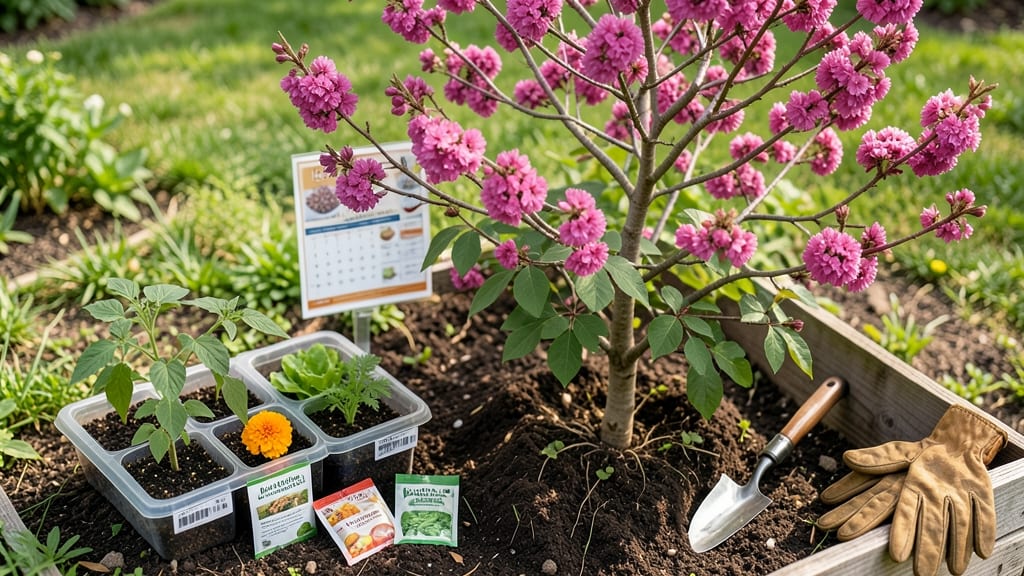
Planting in Tennessee at the right time means the difference between a garden bursting with life and one that barely survives the heat or frost.
Tennessee’s diverse climate—from humid Appalachian valleys to hotter river basins—means timing is everything. Get it wrong, and you’ll watch your seedlings wilt or your tomatoes bolt before they ripen. But nail it, and you’ll enjoy a harvest that rivals any farmer’s market.
With USDA zones 6a-7b and frost dates that shift from mid-April in the mountains to late March in the west, there’s no one-size-fits-all answer.
That’s why I’ve broken down the exact windows for cool-season crops like lettuce and spinach, warm-season stars like peppers and squash, and even fall planting for hardy greens.
Here’s how to align your planting with Tennessee’s rhythms—plus pro tips for extending seasons, choosing the right varieties, and avoiding common pitfalls that turn hopeful gardeners into frustrated ones.
Tennessee planting zones: exact dates by region for spring, summer, and fall crops
Tennessee spans USDA zones 5b through 8a, creating dramatic differences in planting windows from the cool mountain valleys of East Tennessee to the hot river plains of West Tennessee.
Knowing your exact zone and last/first frost dates is critical—plant too early, and frost will kill tender seedlings; too late, and summer heat will stress your crops. Let’s break down the precise timing for each region so you can align your garden with Tennessee’s natural rhythms.
East Tennessee (zones 5b-6b) has the latest frost dates (mid-May in high elevations), while West Tennessee (zones 7a-8a) enjoys earlier planting (as soon as February for heat-loving crops). Middle Tennessee (zones 6a-7a) falls in between, offering a balanced growing season.
Below, I’ve mapped out the optimal planting windows for vegetables, flowers, and herbs in each zone, including heat thresholds and seasonal adjustments.
Tennessee Planting Zones Summary
| Zone | Region | Last Frost | First Frost | Spring Planting | Summer Planting | Fall Planting |
|---|---|---|---|---|---|---|
| 5b-6b | East TN (Mountains) | Mid-May | Mid-October | Apr 15-May 15 | Jun 1-Jul 15 | Aug 1-Sep 15 |
| 6a-7a | Middle TN | Apr 15-May 1 | Oct 15-Nov 1 | Mar 15-Apr 30 | May 15-Jun 30 | Jul 15-Aug 30 |
| 7a-8a | West TN (River Valleys) | Mar 15-Apr 1 | Nov 1-Nov 15 | Feb 15-Mar 31 | Apr 15-May 31 | Jun 15-Jul 30 |
*Adjust dates 1-2 weeks earlier for heat-tolerant varieties (e.g., okra, sweet potatoes) or later for cool-season crops (e.g., broccoli, spinach).
For spring planting, focus on cool-season crops like lettuce, peas, and kale in East Tennessee, but shift to warm-season staples (tomatoes, peppers, cucumbers) as soon as soil warms in West Tennessee.
In Middle Tennessee, start cool-season crops indoors in February and transplant after your last frost date. Pro tip: Use a soil thermometer—ideal planting temps are 60°F+ for warm crops and 40°F-60°F for cool crops.
Summer planting in Tennessee requires heat tolerance awareness. Crops like okra, sweet potatoes, and black-eyed peas thrive in West Tennessee’s 90°F+ heat, while Middle Tennessee can handle tomatoes and peppers with afternoon shade.
In East Tennessee, opt for fast-maturing varieties (e.g., bush beans) to avoid late-summer heat stress5-10°F.
Fall planting is where Tennessee shines—longer daylight in West Tennessee allows for second harvests of warm-season crops (plant squash and corn in June-July for fall harvests).
In East Tennessee, focus on cool-season crops like carrots, radishes, and spinach planted by August 15 to mature before frost. Middle Tennessee gardeners can stretch the season with row covers or cold frames for kale and Brussels sprouts.
Don’t overlook herbs and flowers, which have unique timing needs. Plant basil and cilantro in spring and fall—they bolt in summer heat. Marigolds and zinnias thrive in West Tennessee’s heat but may need afternoon shade in East Tennessee’s high elevations.
For perennials like lavender and rosemary, plant in early spring (March-April) to establish roots before summer droughts hit.
Local microclimates can shift planting by 2-4 weeks. If you’re in a valley or near a river, expect earlier last frosts and longer growing seasons. Conversely, mountaintops may see frost 2 weeks later than valley floors. Use UT Extension’s frost maps or local weather stations to fine-tune your schedule. For example
Best crops to plant in each Tennessee season (with month-by-month checklist)
Tennessee gardeners know timing is everything—plant too early, and frost will nip your seedlings. Too late, and summer heat will stress tender crops. The key is matching each plant to its ideal seasonal window, whether it's cool-season greens in winter or heat-loving tomatoes in summer.
My month-by-month checklist simplifies this by breaking crops into three categories: cool-season, warm-season, and fall/winter hardies. Let’s dive into what to plant—and when—to keep your garden productive year-round.
For East Tennessee (zones 6a-7a), where frost lingers longer, cool-season crops get a head start in February, while West Tennessee (zones 7b-8a) can plant warm-season crops like okra or sweet potatoes as early as March.
Middle Tennessee falls somewhere in between, with late April marking the sweet spot for most warm-season starts. Below, I’ve outlined the best crops for each season, along with critical planting windows to avoid common pitfalls like bolting greens or blossom-end rot in tomatoes.
🌱 Tennessee Seasonal Planting Timeline
- January-February (Cool-Season): Spinach, kale, broccoli, peas, onions (start indoors). East TN: Direct-sow lettuce and radishes after last frost threat.
- March-April (Transition): Carrots, beets, potatoes (plant before soil warms). Start tomato and pepper seeds indoors; transplant cabbage and cauliflower.
- May-June (Warm-Season Peak): Tomatoes, peppers, cucumbers, squash, beans, corn. Wait until soil reaches 60°F+ to avoid stunted growth.
- July-August (Fall Prep): Sweet potatoes, collard greens, turnips. Succession plant bush beans and okra for late harvests.
- September-October (Cool-Season 2): Spinach, garlic, radishes, mustard greens. Plant broccoli and cabbage for winter harvests.
- November-December (Winter Hardies): Garlic (plant cloves), onions, cover crops (e.g., clover or rye). Mulch perennials to protect from frost.
One of my biggest planting mistakes was rushing tomato transplants into cold soil in April—my seedlings wilted within days. The fix? Wait until soil temperature consistently stays above 55°F (use a soil thermometer if unsure).
For cool-season crops, I now plant spinach and lettuce in September for a winter harvest, then again in February to beat the summer heat. This double-cropping strategy maximizes my garden’s potential.
Pro tip: Use row covers to extend your planting window by 2-3 weeks in spring and fall. For example, I cover broccoli and cauliflower in March to protect them from late frosts, then remove the covers once true leaves appear.
This trick also helps warm-season crops like peppers get a head start in May when nights are still chilly.
Don’t overlook fall planting—it’s when my garden shines! Garlic planted in October yields the best bulbs, and collard greens sweeten after a light frost. I also direct-sow radishes in September for a holiday harvest—they mature in just 25 days.
To avoid overcrowding, I succession plant bush beans every 2 weeks from May through July, ensuring a steady supply.
For a downloadable checklist, jot down these key dates and crops in your garden planner. Track your progress with checkboxes for each task—like “transplanted tomatoes” or “harvested first peppers”—to stay on top of your garden’s rhythm.
And remember: Tennessee’s humidity means disease pressure is high, so rotate crops yearly and practice crop rotation to keep your soil healthy.