
Plants
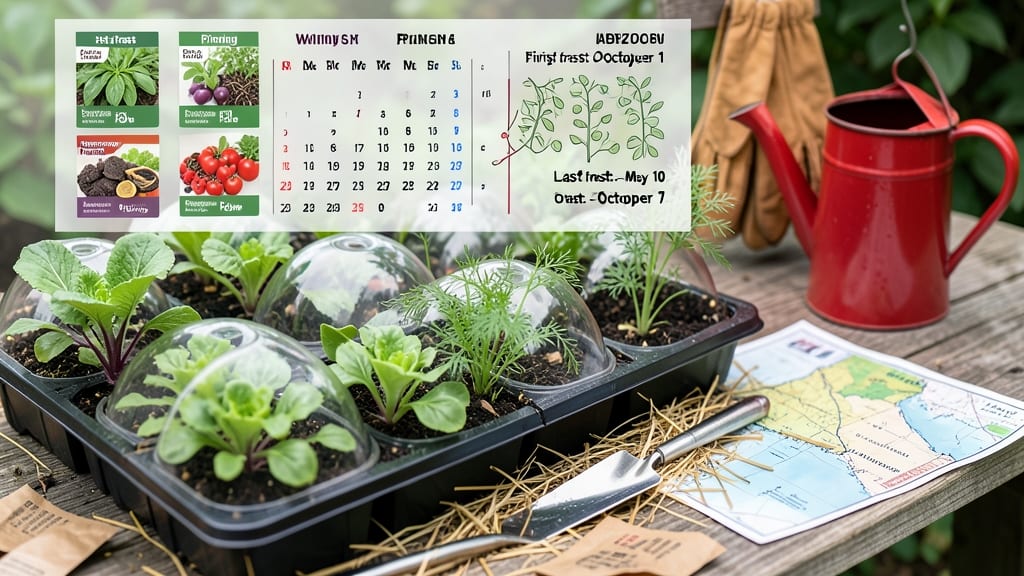
Planting in Washington State at the right time means the difference between a thriving garden and a lost season—your zone and microclimate decide when to start seeds or set out transplants.
Washington State’s diverse climate—from coastal mildness to inland dry heat—means planting at the wrong time can spell disaster for your garden. Get the exact dates for frost-free windows, zone-by-zone, to ensure your seeds and transplants thrive without risking a late spring freeze or summer heat shock.
Whether you’re in Zone 5b near Spokane or Zone 9a in Yakima, timing is everything. Cool-season crops like kale and peas need to go in early, while tomatoes and peppers wait until after the last frost—usually mid-May in Western WA but as late as June 1 in Eastern WA.
Below, I break down the exact planting windows for your region, plus pro tips to stretch your season—so you can avoid the mistakes that leave gardens half-empty.
Washington State planting Zones: when to plant by last frost dates
Washington State spans USDA Hardiness Zones 5b through 9a, creating wildly different planting windows across regions. The Puget Sound (Zones 7b-9a) enjoys milder winters, while Eastern Washington (Zones 5b-7a) faces harsher frosts.
Understanding your last average frost date is critical—planting warm-season crops like tomatoes too early in Spokane (Zone 5b) risks frost damage, while coastal gardeners in Seattle (Zone 8b) can start earlier.
Cool-season crops like kale and peas thrive when planted 4-6 weeks before the last frost, while warm-season favorites such as tomatoes and peppers need soil temperatures above 55°F and 60°F, respectively.
Below, we break down average last frost dates by region and ideal planting windows for your garden’s success.
Pro Tip: Use row covers or cold frames to extend your planting season by 2-4 weeks in colder zones like Pullman (Zone 6b) or Wenatchee (Zone 7a). This lets you sow cool-season crops earlier and warm-season crops later in the fall.
In Zone 9a (e.g., Yakima Valley), you can plant warm-season crops as early as April 15 thanks to the region’s long, dry summers.
Meanwhile, Zone 5b gardeners in Spokane should wait until June 1 to plant heat-loving veggies like okra or sweet potatoes, as late frosts are common.
For cool-season crops, start seeds indoors 6-8 weeks before your last frost date. In Seattle (Zone 8b), this means sowing lettuce or spinach by February 1, while Spokane gardeners (Zone 5b) should wait until March 15 to avoid frost damage.
Harden off seedlings for 7-10 days before transplanting outdoors.
Watch for microclimates—your backyard might be 2-3 weeks earlier than the average last frost date. South-facing slopes warm up faster, while low-lying areas hold cold air longer. Use a minimum-maximum thermometer to track soil temperatures and adjust planting dates accordingly.
In Eastern Washington, where dry heat dominates summers, mulch heavily to retain moisture for warm-season crops. In Western WA, where humidity is higher, prioritize well-draining soil to prevent fungal diseases like blight in tomatoes.
Don’t forget fall planting! In Zone 7a or warmer, you can sow cool-season crops like broccoli or carrots
Best crops to plant in each Washington Zone: timing matters
Washington’s diverse microclimates mean your tomato plants in Yakima thrive when Seattle’s roses still need frost protection. Understanding zone-specific timing prevents wasted effort and maximizes harvests. Let’s break down the best planting windows for Washington’s most popular crops, tailored to your exact location.
In Western WA (Zones 7-9), mild winters let you start cool-season crops like spinach and peas as early as February. Meanwhile, Eastern WA (Zones 5-7) gardeners wait until late April to avoid late frosts that can kill tender seedlings.
Even within a single zone, elevation changes—like Mount Rainier’s slopes—shift planting dates by weeks.
For tomatoes, choose early-season varieties like ‘Mountain Merit’ for cooler zones (Zones 5-6), while heat-loving ‘Solar Fire’ shines in Zone 7+. Potatoes like ‘Yukon Gold’ plant in spring (March-April in Western WA) but need 60-90 days to mature—time your harvest before fall frosts hit.
Herbs such as basil and cilantro demand warm soil—wait until after May 1 in most zones. Mint, however, thrives in partial shade and can be planted year-round in Zone 9 (like Yakima). Lavender, a drought-tolerant favorite, plants best in early spring to establish roots before summer heat.
Pro tip: Use row covers in Zone 5-6 to extend spring planting by 2-3 weeks. In coastal areas, watch for unpredictable frosts—even in Zone 8, a May chill can damage tender seedlings. Always check your local frost dates and adjust accordingly.
With these zone-specific deadlines, your Washington garden will burst with bountiful harvests—whether you’re growing crisp lettuce in spring or sweet potatoes in summer. Happy planting! 🌱