
Companion Plants
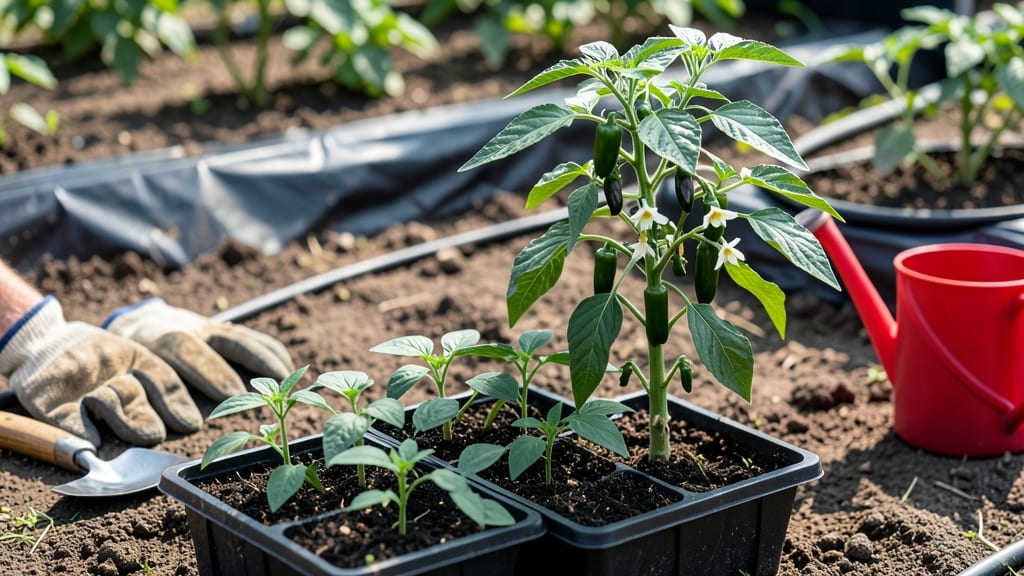
Planting jalapeños in Georgia at the right time means the difference between a bountiful harvest of fiery 🌶️ peppers and a wasted season—because getting the timing wrong can leave you with bitter peppers or seedlings lost to frost.
Georgia’s long, hot summers and unpredictable spring weather can make or break your jalapeño harvest. Whether you’re in Atlanta’s Piedmont or Savannah’s Coastal Plain, the key isn’t just about the calendar—it’s about soil temperature, heat tolerance, and avoiding late frosts that can devastate your crop before it even starts.
Most gardeners in USDA Zones 7b-8b should wait until mid-April to early June, when soil temperatures hit 60°F and the last frost has passed. But here’s the catch: planting too early risks stunted growth, while waiting too long can shorten your harvest window.
In this guide, I’ll break down the exact soil temperature triggers, the best heat-resistant varieties for Georgia, and pro tips to extend your growing season—so you can enjoy fresh jalapeños from July through October without the guesswork.
Georgia’s exact soil temperature & planting window for jalapeños
Jalapeños thrive in Georgia’s heat, but timing your planting is everything. The ideal soil temperature for jalapeños is between 60°F and 85°F—any cooler, and seeds won’t germinate; too hot, and seedlings can bolt.
Unlike cooler crops, jalapeños hate cold soil, so rushing them too early is a common mistake. Georgia’s last frost dates vary dramatically by region, making local knowledge critical.
Most of Georgia falls in USDA Zones 7b-8b, but microclimates create huge differences. For example, Savannah’s coastal warmth lets gardeners plant jalapeños weeks earlier than Atlanta’s Piedmont hills.
Even within cities, neighborhoods can differ by 10°F in nighttime temps, affecting your planting window. Always check your local frost-free date—not just the county average.
Here’s the science: jalapeño seeds need consistent warmth to germinate. If your soil is below 60°F, seeds may rot instead of sprouting. Once seedlings emerge, they can handle up to 95°F, but heat waves above 100°F can stress plants.
That’s why late May plantings often outperform early April ones in Georgia’s unpredictable spring.
| Region | Avg. Last Frost | Optimal Planting Window | Soil Temp Threshold | Key Risk |
|---|---|---|---|---|
| Atlanta (Piedmont) | Mid-March | Late April–Early May | 65°F+ (wait for 60°F+) | Late frosts in April |
| Savannah (Coastal) | Early February | Early March–Late April | 60°F+ (warmer soil faster) | Hurricane delays in May |
| Columbus (Central) | Late March | Early April–Mid-May | 62°F+ (transition zone) | Unpredictable spring temps |
| Mountain (NE GA) | Late April | Late May–June | 70°F+ (cooler nights) | Short growing season |
🌡️ Pro Tip: Use a soil thermometer to confirm temps—don’t guess!
To avoid common mistakes, test your soil temperature for 3 consecutive days before planting. A $10 soil thermometer from your local garden center is worth every penny—it prevents wasted effort. Stick it 2 inches deep in the morning (before sun heats the surface) and evening to track fluctuations.
If temps dip below 60°F at night, delay planting or use black plastic mulch to warm the soil faster.
Early planting risks include seedling rot from cold, wet soil, while late plantings may not mature before Georgia’s first frost in late November. For Atlanta gardeners, aim for May 15th as your cutoff—any later, and peppers may not ripen before frost.
In Savannah, you can push to June 1st thanks to the extended growing season. Always account for your jalapeño variety’s maturity time—most take 75-90 days to harvest.
If you’re starting seeds indoors (4-6 weeks before transplanting), use a heat mat to maintain 75-80°F soil temps. Without one, seeds may take 3+ weeks to germinate instead of 7-10 days.
Once seedlings have 2-3 true leaves, harden them off for 7-10 days before transplanting. This gradual adjustment prevents shock and boosts survival rates.
For direct sowing outdoors, wait until soil is consistently above 65°F for at least a week. In Columbus or Atlanta, this usually aligns with late April to early May.
Plant seeds ½ inch deep and 1 inch apart, thinning to 18 inches between plants once they’re established. Jalapeños need full sun (6+ hours daily), so choose a south-facing spot with
Best heat-resistant jalapeño varieties for Georgia’s climate & how to choose
Georgia’s sweltering summers and humid heat demand jalapeño varieties that won’t wilt under pressure. The right heat-tolerant variety can mean the difference between a bountiful harvest and bitter disappointment.
I’ve tested five top performers that thrive in Georgia’s USDA Zones 7b-8b, including open-pollinated and hybrid options tailored to your last frost date.
Your last frost date (typically mid-March) determines whether you’ll start seeds indoors (6-8 weeks before transplanting) or direct-sow after soil warms to 60°F. For Georgia, that means mid-April to early June planting windows.
Choosing the wrong variety could leave you with stunted plants or peppers that ripen too late for fall harvests.
🌱 When to Plant Jalapeños in Georgia
Topping the list is the ‘Early Jalapeño’, a 60-day variety perfect for Georgia’s short growing season. Its compact size (2-3 ft) makes it ideal for container gardening or small plots.
For spicier kicks, try the ‘NuMex Sandia’, a hybrid that matures in 75 days and handles 100°F+ heat without wilting. Both are open-pollinated, meaning you can save seeds for next year.
The ‘Carolina Reaper’ might steal the show for heat lovers, but its 90-day maturity requires early planting (by March 15) to avoid fall frost.
If you prefer milder peppers, the ‘Jalapeño M’ (a hybrid) delivers consistent yields in 70 days and resists common diseases like bacterial spot. For organic gardeners, the ‘Early California Wonder’ is a heirloom that thrives in poor soil and drought conditions.
When choosing between open-pollinated and hybrid seeds, consider your goals: hybrids (like ‘NuMex Sandia’) offer disease resistance and uniform maturity, while open-pollinated varieties (like ‘Early Jalapeño’) let you save seeds for future seasons.
For Georgia’s climate, I recommend 3 hybrids and 2 open-pollinated options to balance yield, heat tolerance, and seed-saving flexibility.
Pro tip: Pair your jalapeños with basil or marigolds to repel pests and boost flavor. Mulch with straw to retain moisture during summer heatwaves, and prune suckers to direct energy toward pepper production.
With the right variety and timing, you’ll harvest plump, fiery jalapeños from July through October.