
Plants
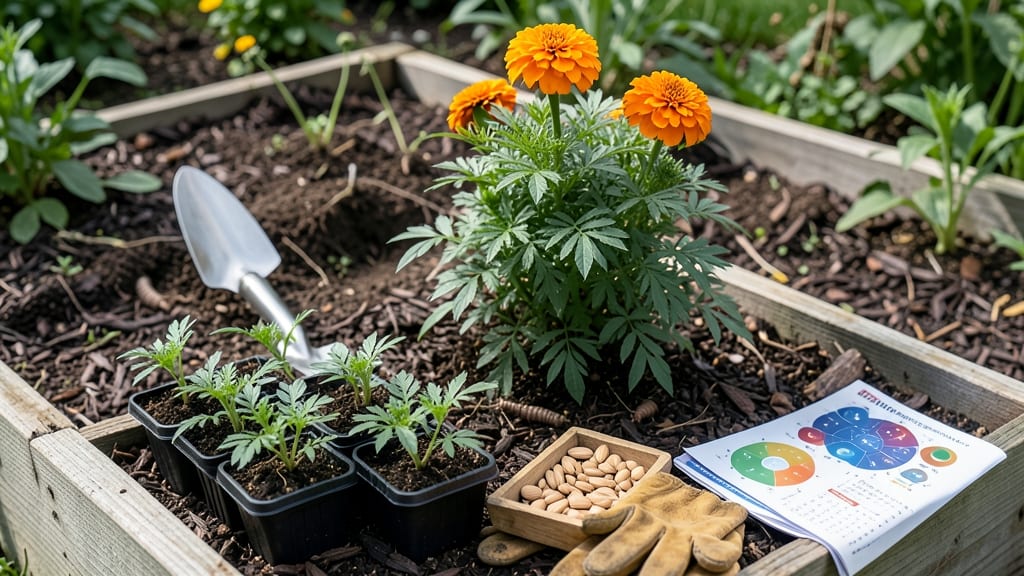
To plant marigolds in Ohio, aim for April 15–May 15 after the last frost or August 1–September 1 for fall blooms — timing this right keeps your garden bursting with those cheerful 🌼 faces all season.
Ohio gardeners know timing is everything — plant marigolds too early, and frost will wipe them out; too late, and you’ll miss peak blooms. Whether you’re in Zone 5 or 6, getting the frost-free deadlines right is the key to vibrant, long-lasting flowers.
Marigolds thrive in Ohio’s climate when planted as transplants or seeds after soil warms to at least 55°F, but regional differences matter. Northern Ohio’s cooler springs may need a later start, while southern Ohio’s milder climate can handle earlier planting.
Below, I break down the exact planting windows by zone, soil prep tips, and the best marigold varieties for Ohio’s heat and humidity — so you can enjoy those bright blooms from June through October.
Ohio marigold planting dates by Zone 5-6: exact frost-free timelines
Ohio’s Zone 5-6 climate creates two distinct planting windows for marigolds—spring and fall. Timing is critical because these cheerful bloomers (Tagetes spp.) need consistent warmth to thrive. In northern Ohio (Zone 5), the window is tighter, while southern Ohio (Zone 6) offers a few extra weeks.
I’ll break down the exact dates, soil temperature requirements, and regional variations so you can plant with confidence.
Marigolds are warm-season annuals, meaning they won’t tolerate frost. The key is planting after your area’s last frost date when soil temperatures consistently reach 55°F (13°C).
For Ohio, this typically falls between mid-April and early May, but your exact timing depends on whether you’re in Columbus (Zone 6a) or Toledo (Zone 5b). Let’s dive into the details.
📅 Regional Variations: Columbus and Cincinnati (Zone 6) enjoy 2-3 extra frost-free days compared to Cleveland or Youngstown (Zone 5). This difference can mean the gap between a thriving garden and one that struggles. Always check your local Almanac’s frost calendar—it’s your best friend for precise timing.
| Region/Zone | Last Frost Date | Safe Planting Window | Soil Temp Requirement | Fall Planting Window |
|---|---|---|---|---|
| Northern Ohio (Zone 5) | April 20 - May 5 | May 15 - June 1 (direct sow) | 55°F+ (13°C+) | August 15 - September 10 |
| Central Ohio (Zone 6a) | April 10 - April 25 | April 30 - May 15 (direct sow) | 55°F+ (13°C+) | August 1 - September 15 |
| Southern Ohio (Zone 6b) | April 5 - April 20 | April 25 - May 10 (direct sow) | 55°F+ (13°C+) | July 30 - September 20 |
For direct sowing marigolds, aim for 2-3 weeks after your last frost date. This gives the soil time to warm up and reduces the risk of damping off, a fungal disease that attacks young seedlings.
If you’re transplanting starter plants, you can push the timeline slightly earlier—just make sure nighttime temperatures stay above 50°F (10°C).
Ohio’s fall planting window is often overlooked but offers stunning late-season color. Plant marigolds 8-10 weeks before your first frost (typically August 1 - September 15 for Zone 5-6). This gives them time to establish roots and bloom before cold sets in.
I’ve had great success with French marigolds in fall—they handle cooler temps better than their African cousins.
Pro tip: Use black plastic mulch to warm the soil faster in spring. This can shave 1-2 weeks off your planting timeline by raising soil temperatures 5-10°F higher than uncovered beds.
Just remove it once plants are established to prevent overheating. For container gardening, start seeds indoors 4-6 weeks before your last frost date and transplant when soil is ready.
If you’re in Zone 5b (northern Ohio), consider using row covers to extend your season. These lightweight fabrics protect seedlings from late frosts while allowing sunlight and air to pass through. I’ve used them successfully to plant marigolds 10 days earlier than the official frost date without issues.
For Cincinnati and Columbus gardeners, your slightly warmer microclimate means you can experiment with earlier transplanting. If you plant marigolds as transplants in mid-April, use frost cloth on chilly nights. This hybrid approach lets you enjoy blooms 3-4 weeks sooner than direct sowing alone.
Remember, marigolds are fast growers—from seed to bloom takes just 45-60 days. Planting too late means missing peak summer color, but too early risks frost damage. Balance is key! For a continuous bloom schedule, stagger plantings every 2 weeks from May through July.
Finally, soil temperature matters more than air temperature. Use a soil thermometer to confirm your beds are ready—marigolds won’t germinate well below 55°F (13°C). If your soil is still cold, wait a few more days or use heat mats for containers.
Patience here pays off with vibrant, healthy plants all season long. 🌼
5 Signs your Ohio soil is ready for marigolds (and what to do if it’s not)
Ohio’s unpredictable spring weather can leave gardeners guessing about the perfect time to plant marigolds. While frost-free dates are crucial, your soil conditions play an equally important role. Marigolds thrive in warm soil and well-draining beds, but Ohio’s rocky subsoil and late frosts often demand extra prep work.
Let’s break down the 5 key signs your soil is ready—and what to do if it’s not.
First, check your soil temperature. Marigolds need soil that’s consistently at least 55°F (13°C). Use a soil thermometer to test—if it’s cooler, wait or use black plastic mulch to warm the soil faster.
In Ohio’s Zone 5-6, this usually aligns with mid-to-late May, but rocky areas may stay cold longer. If your soil is still chilly, consider starting seeds indoors under grow lights.
Next, assess moisture levels. Marigolds prefer well-draining soil but hate soggy conditions. Stick your finger 2 inches deep—if the soil feels damp but not waterlogged, it’s ready. Ohio’s clay-heavy soils often retain too much moisture, so amending with compost or sand can improve drainage.
If your soil feels like a sponge, hold off planting until it dries out slightly.
🌱 Numbered Highlights: Ohio Soil Readiness Checklist
- Soil Temp: 55°F+ (use mulch if cooler) 🌡️
- Moisture: Damp but not soggy (test with finger) 💧
- pH Level: 6.0-7.0 (adjust with lime or sulfur) 🧪
- Rocky Soil: Loosen with compost or raised beds ✂️
- Frost Risk: Wait 2-3 weeks after last frost date ⏰
Don’t overlook pH balance. Marigolds prefer a slightly acidic to neutral soil (pH 6.0-7.0). Test your soil with a kit—if it’s too alkaline (common in Ohio), add elemental sulfur to lower the pH. For acidic soil, mix in lime.
If your soil is rocky or compacted, marigolds may struggle to establish roots. Break up the soil with a garden fork or plant in raised beds filled with amended soil.
If your soil is too cold or wet, don’t panic. Start marigolds indoors in biodegradable pots 4-6 weeks before your target outdoor date. Use a heat mat to speed up germination. For rocky soil, create small mounds of amended soil where you’ll plant.
This improves drainage and gives roots room to grow. Even if your soil isn’t perfect, marigolds are forgiving—they’ll still bloom, though they may need extra care.
Finally, watch for last frost warnings. Even if your soil is ready, a late frost can damage young marigolds. Use frost cloth for extra protection if planting early. In Ohio, late May is typically safe, but northern Ohio may need to wait until early June.
For fall blooms, plant again in late August to enjoy flowers until frost. With these signs in mind, your marigolds will thrive in Ohio’s challenging but rewarding soil conditions.