
Plants
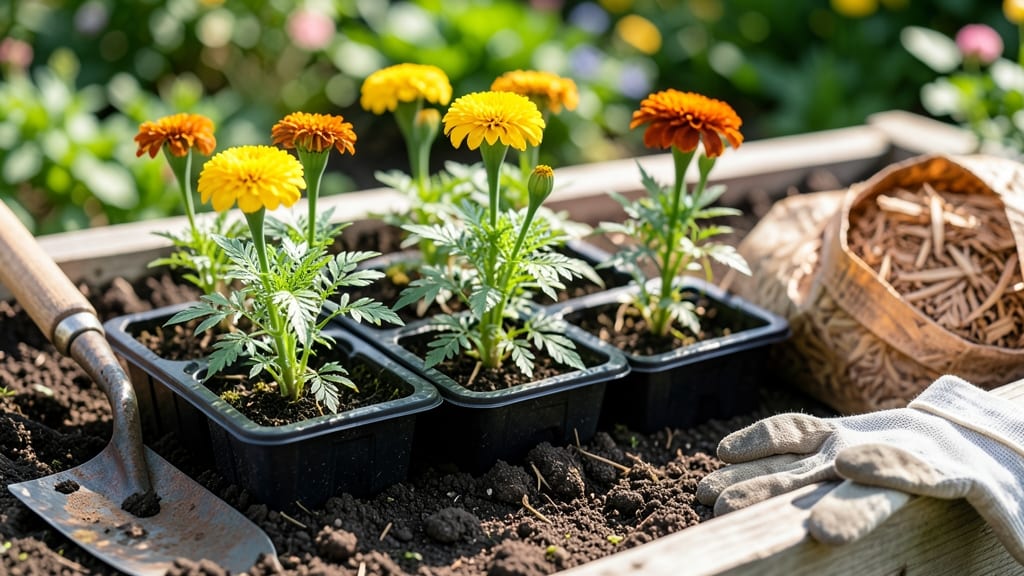
To plant marigolds in Oklahoma, aim for 2-4 weeks before your last frost—typically mid-March for most regions—when soil warms to at least 50°F.
Oklahoma’s unpredictable spring weather can make planting marigolds tricky—but timing these vibrant bloomers just right ensures months of pest-repelling color. Get the exact weeks before last frost for a thriving garden, plus pro tips to outsmart Oklahoma’s heat and soil quirks.
Marigolds thrive in Oklahoma’s 6b-8a climate, but the key is planting early enough to beat the heat while avoiding late frosts. Whether you’re sowing seeds directly or transplanting seedlings, the right timing means bold blooms from June through November.
Below, I’ll break down the exact planting windows by region, soil prep secrets, and spacing tricks to keep your 🌼 marigolds flourishing all season long.
Oklahoma marigold planting timeline: exact weeks before last frost by region
Timing your marigold planting in Oklahoma is all about beating the last frost while avoiding summer’s brutal heat. Since Oklahoma spans USDA Zones 6b-8a, your exact window depends on whether you're in Oklahoma City, Tulsa, or rural southern regions.
Marigolds thrive in warm soil—aim for 50°F+ temperatures and consistent 6+ hours of sunlight daily.
For direct sowing, plant seeds 2-3 weeks before your area’s average last frost. If transplanting seedlings, wait until 2 weeks after frost risk passes. Oklahoma’s heat-tolerant varieties like ‘Bonanza’ or ‘Tangerine’ marigolds handle the state’s summers better than delicate types.
Here’s your region-specific breakdown—use these exact weeks to align with Oklahoma’s average last frost dates and extend your blooming season.
| Region | Avg. Last Frost | Direct Sowing Window | Transplant Window | Best Varieties |
|---|---|---|---|---|
| Oklahoma City (Zone 7a) | March 15 | Feb 28 - Mar 14 | Mar 30 - Apr 15 | ‘Bonanza’ (heat-tolerant), ‘Janie’ (compact) |
| Tulsa (Zone 7b) | March 20 | Mar 5 - Mar 19 | Apr 1 - Apr 15 | ‘Tangerine’ (disease-resistant), ‘Gold Rush’ (long bloom) |
| Southern OK (Zone 8a) | March 5 | Feb 15 - Mar 4 | Mar 15 - Mar 30 | ‘Crackerjack’ (drought-tolerant), ‘French Marigold’ (fragrant) |
For direct sowing, scatter seeds ¼-inch deep in well-draining soil. If transplanting, harden off seedlings for 5-7 days before moving them outdoors. Oklahoma’s clay-heavy soils? Amend with compost to improve drainage—marigolds hate soggy roots.
Pro tip: Use black plastic mulch to warm soil faster in cooler regions. This trick lets you plant 2 weeks earlier in Oklahoma City or Tulsa. Just remove the mulch once seedlings emerge to prevent overheating.
Fall planting is a game-changer in Oklahoma! Sow seeds 8-10 weeks before your first frost (typically early August for most regions). This gives marigolds time to establish before winter’s chill sets in. Choose ‘Golden Gem’ or ‘Tall Orange’ for late-season color.
Watch for late frosts—they’re common in Oklahoma’s Northwest. Keep a frost cloth handy for seedlings until temperatures stabilize. Once established, marigolds bounce back from light frosts, but young plants need protection.
Oklahoma’s summer heat can stress marigolds, so prioritize morning watering and mulch heavily. Aim for 1 inch of water per week, but adjust if your region hits 90°F+ stretches. Heat-tolerant varieties like ‘Heatwave’ marigolds thrive in these conditions.
For container gardening, plant marigolds in 5-gallon pots with fast-draining mix. Containers warm up faster, so you can start 1-2 weeks earlier than in-ground plantings. Just ensure pots get full sun—even Oklahoma’s partial shade spots won’t cut it.
Extend your marigold season by succession planting: Sow new seeds every 2-3 weeks from spring through early summer. This ensures continuous blooms from May through November—perfect for Oklahoma’s long growing season.
🌼
How to adjust marigold planting for Oklahoma’s unpredictable weather patterns
Oklahoma’s spring weather can swing from freezing nights to scorching afternoons in a single week, making marigold planting a high-stakes game. Late frosts can nip tender seedlings, while sudden heatwaves may stress young plants before they establish roots.
The key is flexibility—adjusting your planting strategy based on real-time conditions rather than relying solely on average frost dates.
I’ve learned the hard way that even cold-hardy marigold varieties like French marigolds (Tagetes patula) need extra protection when temperatures dip below 40°F. Meanwhile, African marigolds (Tagetes erecta) thrive in Oklahoma’s summer heat but struggle if planted too early.
Balancing these factors ensures your marigolds bloom vibrantly from June through November.
🌱 5 Pro Tips for Adjusting Marigold Planting in Oklahoma
- 📅 Monitor soil temps—wait until soil reaches 50°F+ (use a soil thermometer).
- 🌡️ Use row covers for 3-4 weeks after transplanting to shield from late frosts (30-32°F tolerance).
- ☀️ Warm soil faster with black plastic mulch or clear plastic tunnels for 2-3 weeks before planting.
- 📱 Set weather alerts for freeze warnings and adjust planting dates dynamically.
- 🌿 Choose heat-tolerant varieties: ‘Jingle Bells’ (French) or ‘Crackerjack’ (African) for Oklahoma’s climate.
For direct sowing, I recommend starting seeds indoors 4-6 weeks before your target outdoor planting date. Use biodegradable pots to avoid transplant shock when moving seedlings outdoors. Harden them off gradually by placing them in a shady, sheltered spot for 3-5 days before full exposure to sunlight and wind.
If you’re transplanting seedlings from a nursery, time it so they’re 4-6 weeks old when you plant. Look for sturdy stems and deep green leaves—these are signs they’re ready to handle Oklahoma’s 90°F+ afternoons.
Water thoroughly before transplanting to reduce shock, and apply a mulch layer (straw or shredded leaves) to retain moisture and regulate soil temperature.
Don’t forget to space marigolds properly: 12-18 inches apart for dwarf varieties and 24 inches apart for taller types. This spacing improves airflow, reducing the risk of powdery mildew—a common issue in Oklahoma’s humid summers.
Group marigolds with tomatoes, peppers, or French marigolds to maximize pest-repelling benefits while minimizing competition for nutrients.
Finally, keep an eye on the 7-day forecast and adjust your planting timeline if a cold snap is predicted. A lightweight row cover or even a cloche can buy you 2-3 extra weeks of growing time.
With these strategies, your marigolds will thrive through Oklahoma’s wild swings and reward you with bold blooms all season. 🌼