
Plants
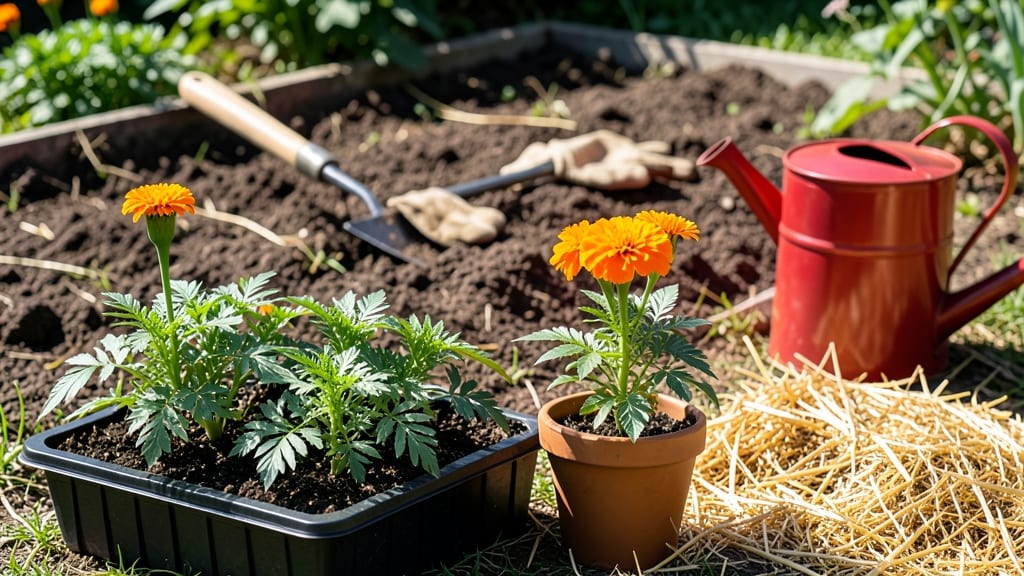
To plant marigolds in Georgia at the perfect time means catching the window between mid-February and early March for spring blooms, or late August to early September for fall color.
Georgia gardeners know marigolds aren’t just pretty—they’re natural pest repellents that boost tomato yields and add vibrant color to your landscape. But timing these sun-loving annuals wrong means weak blooms or no flowers at all.
In USDA Zone 8a, where frost typically lingers until March 15, planting too early risks cold damage, while waiting too long can lead to leggy, sparse plants struggling through Georgia’s brutal summer heat.
Below, I’ll break down the exact planting schedule, soil prep tips, and how to stretch your marigold season from spring through fall—so your garden stays bright and pest-free all year.
Best planting months for marigolds in Georgia’s Zone 8a climate
Georgia’s Zone 8a climate offers two perfect windows to plant marigolds—spring and fall—but timing matters more than you might think. These sun-loving annuals thrive when soil temperatures stay above 60°F (15°C), which means waiting until after the last frost (mid-March) for spring plantings.
Fall plantings, however, should happen 6-8 weeks before your first frost (early November), giving them time to mature before cold sets in.
Marigolds are heat-tolerant but struggle when planted too early in cool soil. In Georgia’s hot summers, planting in late summer (August-September) ensures they establish roots before temperatures peak. This timing also helps them bloom through fall and even into early winter in milder microclimates.
Here’s the key: Soil temperature is your best guide. Use a soil thermometer to confirm it’s above 60°F (15°C) before planting. In Georgia, this usually aligns with mid-February to March for spring and August to early September for fall.
Planting too early risks stunted growth, while waiting too long can shorten your bloom season.
One common mistake Georgia gardeners make is planting marigolds too early in spring when soil is still cool. This delays germination and weakens seedlings. To avoid this, start seeds indoors 4-6 weeks before your target outdoor date if you’re eager to get a head start.
For direct sowing, stick to the soil temperature rule—no exceptions!
Georgia’s humid summers can also stress marigolds if planted too late. For fall plantings, aim to finish 6-8 weeks before the first frost (usually early November).
This gives them time to establish roots and bloom before temperatures drop. In milder microclimates, like near the coast, you might even get winter blooms!
Pro tip: Use mulch to regulate soil temperature and retain moisture. A 2-inch layer of organic mulch (like straw or shredded leaves) keeps roots cool in summer and warm in fall. This simple step can extend your marigold season by 2-3 weeks in Georgia’s variable climate.
If you’re growing marigolds for pest control, time your plantings to coincide with your vegetables. For example, plant marigolds alongside tomatoes in early spring to deter nematodes, or interplant them with fall squash to keep squash bugs at bay.
The key is overlapping bloom times with your crops’ peak growing periods.
Heat tolerance is another critical factor. Marigolds can handle Georgia’s 90°F+ days, but they’ll perform best if given afternoon shade in extreme heat. If you notice leaves wilting or yellowing, it’s a sign they’re struggling—adjust their location or increase watering slightly (but avoid soggy soil).
For continuous color, consider succession planting. Start your first batch in early spring (February), then follow with a second planting in late summer (August)April through November, giving you vibrant marigolds all season long.
How to extend marigold blooms: succession planting tips for Georgia gardens
Want marigolds blooming from spring through fall in your Georgia garden? The secret is succession planting—staggering plantings every 3-4 weeks to keep flowers coming. Georgia’s hot summers can stress marigolds, so this method ensures continuous color while maximizing their pest-repellent powers for tomatoes and veggies.
Not all marigold varieties handle Georgia’s heat equally. French marigolds (like ‘Bonanza Yellow’) thrive in spring, while African marigolds (e.g., ‘Crackerjack’) tolerate summer’s intensity better. Signet marigolds (dwarf varieties) are perfect for containers and edges, blooming reliably even in 90°F+ temperatures. Choose wisely for nonstop blooms!
- 📅 First Planting: Late February–March (after last frost). Use French marigolds for early spring blooms.
- 🌿 Second Planting: Mid-April (when soil warms to 65°F+). Switch to African marigolds for summer heat tolerance.
- ☀️ Third Planting: Early June (after peak heat waves). Opt for Signet marigolds for compact, low-maintenance blooms.
- 🍂 Fall Refresh: Late August–September (6–8 weeks before first frost). Plant French or African varieties for autumn color.
Start with healthy seeds or transplants from a reputable nursery (avoid weak seedlings!). Plant in well-draining soil with compost mixed in—Georgia’s clay-heavy soil benefits from organic matter. Deadhead spent blooms weekly to encourage new flowers, and watch your garden stay vibrant all season long!
For maximum impact, pair marigolds with tomatoes, peppers, and squash. Their strong scent deters nematodes and aphids, giving your veggies a natural shield. In containers, use Signet marigolds—they spill over edges beautifully while keeping pests at bay.
Don’t forget: Mulch around plants to retain moisture during Georgia’s dry spells. A 2-inch layer of straw or pine needles works wonders. With this succession strategy, your marigolds will outperform most neighbors’ gardens—bold, healthy, and blooming nonstop!