
Companion Plants
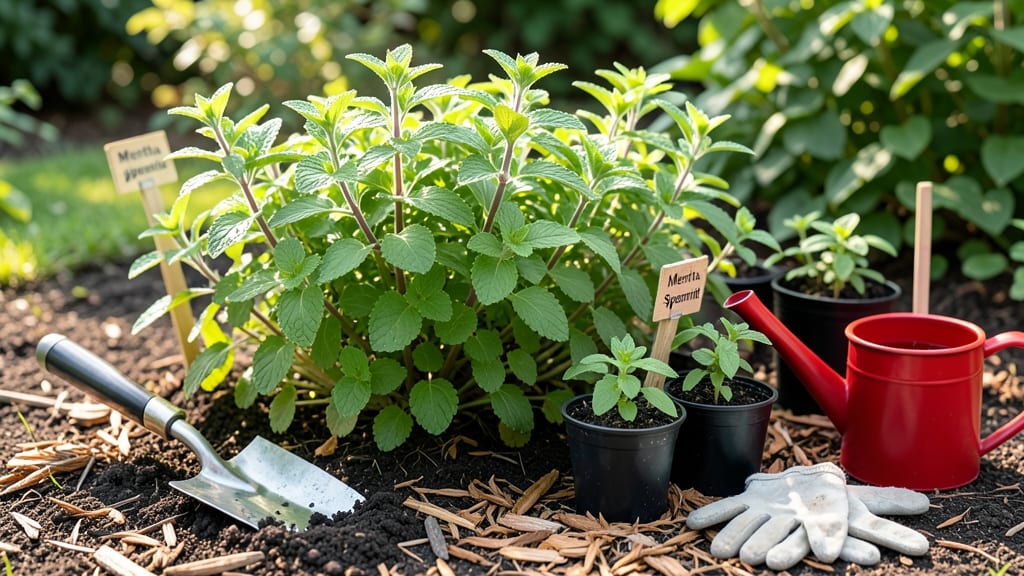
Plant mint in Texas about 4-6 weeks after your last spring frost — that’s mid-March for North Texas and early February for the Gulf Coast — to catch the fastest growth before summer heat sets in.
Texas gardeners know timing is everything — plant mint too early, and frost will kill it; too late, and you’ll miss peak growth season. The secret to thriving mint lies in understanding Texas’s unique climate zones and microclimates.
Mint thrives in partial shade and well-draining soil, but Texas’s heat and humidity demand extra care. Whether you’re in Zone 8a’s cooler winters or 10b’s year-round warmth, the right planting window ensures your 🌿 mint stays lush and productive.
Below, I’ll break down the best months for your region, soil prep tips, and how to keep your mint growing strong even when Texas summers hit 100°F.
Best planting times for mint in Texas by climate Zone
Texas’s diverse climate zones mean your mint planting window can vary dramatically from North Texas to South Texas. In Zone 8a (Panhandle), frost can linger until March 15, while Zone 10b (Rio Grande Valley) enjoys frost-free growing year-round.
The key is planting after your last average frost date and avoiding summer’s brutal heat—unless you’re using shade strategies.
For most Texans, spring (March-May) and fall (September-November) offer the best conditions. Spring lets mint establish roots before summer heat, while fall avoids extreme temperatures. In South Texas, you can even plant mint in winter months (December-February) for a cool-season harvest.
Here’s how to match your USDA zone with the perfect planting window:
| Climate Zone | Last Frost Date | Best Planting Window | Heat Tolerance Tip |
|---|---|---|---|
| North Texas (8a-8b) | Mid-March | March 15 - April 30 (Spring) or September 15 - October 31 (Fall) | Use shade cloth in summer; mulch heavily |
| Central Texas (8b-9a) | Early March | March 1 - April 15 (Spring) or September 1 - October 15 (Fall) | Plant near north-facing walls for afternoon shade |
| South Texas (9a-10b) | Mid-January | January 15 - March 15 (Winter) or September 1 - November 15 (Fall) | Container-grown mint thrives with afternoon shade |
| East Texas (8a-9a) | Late February | February 28 - April 15 (Spring) or August 15 - October 15 (Fall) | Watch for humidity-related fungal issues; space plants well |
| West Texas (8a-8b) | Mid-March | March 15 - April 30 (Spring) or September 1 - October 15 (Fall) | Drip irrigation essential; avoid overhead watering |
In North Texas, where winters can drop below 20°F, always wait until after your last frost date (typically March 15 in Lubbock or March 1 in Amarillo). If you plant too early, mint may bolt or die from frost damage.
For Central Texas (Austin, San Antonio), aim for early March to avoid the brutal summer heat that can cause mint to go dormant.
South Texas gardeners have the advantage of a longer growing season. In Houston or Corpus Christi, you can plant mint in winter months (December-February) for a cool-season crop.
However, even here, summer’s 95°F+ temperatures can stress mint unless you provide afternoon shade or grow it in containers that you can move.
Pro tip: Use a soil thermometer to check if your garden bed is at least 50°F before planting. Mint roots thrive in 60-75°F soil, so cooler temperatures in early spring or late fall are ideal.
If your soil is still cold, wait another week or two—patience pays off with faster growth and stronger harvests.
For container gardening, which is ideal for controlling mint’s spread, you can plant anytime the soil isn’t frozen. Just ensure your pots have drainage holes and use a lightweight potting mix.
Containers also let you move mint to shadier spots during peak summer heat, protecting it from bolting (when it flowers prematurely).
Remember, mint is a perennial in Texas’s warmer zones (9a-10b), meaning it can regrow year after year if given the right conditions. However, in North Texas, it may die back in winter but often returns in spring.
To encourage regrowth, cut back dead foliage in early spring before new shoots appear.
If you’re in a transition zone (like Dallas or Waco), pay attention to microclimates. A spot near a stone wall or building might stay warmer and be frost-free longer than your yard’s average. Test these spots with frost-sensitive plants (like basil) before committing to mint.
Finally, don’t forget that mint spreads aggressively. If you’re planting in the ground, choose a contained spot or use root barriers. In cont
Signs your Texas soil and microclimate are ready for mint
Your Texas garden might be perfect for mint when the soil temperature consistently stays above 50°F—this usually happens in late winter or early spring after the last frost. Use a soil thermometer to check; mint roots thrive in warmth but dislike extreme heat.
In urban areas, pavement can raise soil temps faster than rural spots, so adjust planting times accordingly.
Next, observe your garden’s sunlight patterns. Mint prefers partial shade (4-6 hours of sun daily), but in Texas’s intense heat, it can handle morning sun with afternoon shade.
Notice if leaves start wilting by midday—this is a sign your mint needs more shade, especially in Central or North Texas where summers are brutal.
Humidity also plays a role. In East Texas’s humid climate, mint grows vigorously, but in West Texas’s dry air, you’ll need to water more frequently.
If your area feels consistently damp (like after rain), mint will thrive; if it’s bone-dry, consider container gardening with added mulch to retain moisture.
🌱 3 Key Signs Your Texas Soil Is Mint-Ready
- 🌡️ Soil temp ≥50°F (test with a thermometer)
- ☀️ 4-6 hours of morning sun (avoid afternoon heat)
- 💧 Moderate moisture (no soggy soil or drought)
💡 Pro Tip: Urban gardens heat up faster—plant mint 2-3 weeks earlier than rural areas.
Urban vs. rural conditions matter too. In cities, concrete and asphalt create microclimates that stay 5-10°F warmer than rural soils. If you’re in a paved area, plant mint in containers with good drainage to prevent root rot.
Rural gardens, meanwhile, may need extra mulch or shade cloth to protect mint from Texas’s unpredictable heatwaves.
Finally, check your mint’s growth response after planting. If new leaves appear within 2-3 weeks and smell strongly minty, your conditions are ideal. If growth stalls or leaves turn yellow, adjust by adding compost or moving to a shadier spot.
In South Texas (zones 9-10), you can even plant mint year-round!
By tuning into these soil, sun, and humidity cues, you’ll give your mint the perfect Texas-friendly start—whether you’re in humid Houston or arid El Paso. Happy growing! 🌿