
Companion Plants
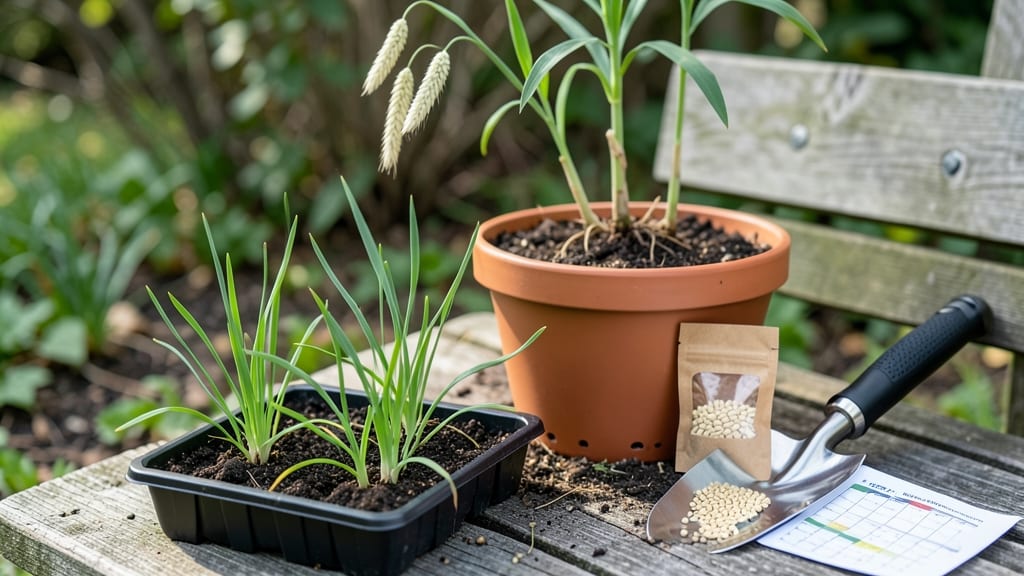
Planting oats in South Carolina at the right time ensures a strong winter cover and a bountiful spring harvest 🌾—miss the window, and you risk losing your entire crop to heat or frost.
Timing your oat planting in South Carolina’s warm climate can mean the difference between a thriving crop and wasted seeds—get it wrong, and you’ll lose your frost-free window entirely.
For USDA Zones 7b-8a, the ideal window is late summer to early fall, between August and October, when soil temperatures stay warm enough for germination but nights begin to cool.
Below, I break down the exact months to plant, how to adjust for regional microclimates, and the three best oat varieties for South Carolina’s growing season.
Optimal planting windows for oats in South Carolina by month
South Carolina’s USDA Zones 7b-8a create a unique challenge for oat growers—plant too early, and your seeds may rot in summer heat; too late, and frost risks stifle germination.
The ideal window spans from late August through October, but timing depends on your goal: winter cover crops or spring harvest. Let’s break down the best months and frost risks to maximize your yield.
For winter cover crops, aim to plant 4-6 weeks before the first frost (typically mid-November in SC). This gives oats time to establish roots before cold sets in.
If you’re growing for spring harvest, early September planting ensures mature seeds by May-June. Each month offers trade-offs—balance heat tolerance with frost resilience.
Here’s your month-by-month guide, including frost risk analysis and key planting cues:
| Month | Best For | Frost Risk | Soil Temp | Action |
|---|---|---|---|---|
| August | Spring harvest | Low | 70-80°F | Plant early for mature seeds by May |
| September | Winter cover or harvest | Moderate | 65-75°F | Best balance—avoid late heatwaves |
| October | Winter cover crops | High (after mid-October) | 60-70°F | Plant by Oct 15 for frost protection |
| November | Emergency cover crops | Very High | 55-65°F | Risky—only if soil is workable |
Planting in August gives you the longest growing season for a spring harvest, but watch for late-summer heat stress. Oats thrive in 65-75°F soil, so avoid planting when temps exceed 85°F—seeds may fail to germinate.
For winter cover crops, September-October is ideal, with October’s later dates requiring frost protection like row covers.
If you’re in Zone 8a (coastal SC), you can push planting to early November with minimal frost risk. However, Zone 7b (Piedmont) demands earlier planting by October 15 to avoid winterkill.
Always check your last frost date—SC’s varies by 2-3 weeks regionally. Use a frost calendar from your local extension office for precision.
Pro tip: Test your soil’s moisture retention before planting. Oats need consistent moisture but hate soggy conditions. Amend heavy clay soils with compost or sand to improve drainage. In sandy soils, mulch lightly after planting to retain humidity.
For direct seeding, aim for 1/2-inch depth and 1-inch spacing between rows. Use a seed drill or broadcast seeds evenly for uniform growth. If using oats as a cover crop, aim for 30-50 lbs per acre—thicker plantings suppress weeds but may reduce yield if grown for grain.
Monitor your oats for early signs of frost damage in November: yellowing leaves or stunted growth. If frost hits before establishment, replant in early spring (March) for a late-summer harvest. Remember, oats are cold-hardy but not frost-proof—balance timing with your local microclimate.
🌾
How to adjust planting dates for South Carolina’s microclimates
South Carolina’s diverse microclimates—from the humid coastal plains to the cooler Piedmont region—can shift your oat planting window by 2-4 weeks. Coastal areas like Charleston stay warmer longer, while inland zones like Greenville experience earlier frosts. Understanding these differences ensures your oats establish roots before winter’s chill sets in.
The coastal plain (USDA Zone 8a) typically has a longer frost-free season, allowing late September plantings. In contrast, the Piedmont (Zone 7b) often sees frost by mid-November, so aim for early September to avoid cold damage. Soil temperatures below 50°F can stall germination, making timing critical.
Rainfall patterns also play a role: the coastal region receives heavier autumn rains, which can lead to soil compaction. Amend your soil with compost or sand to improve drainage before planting. Inland areas may need supplemental watering to maintain moisture during dry spells.
⚠️ Coastal vs. Piedmont Planting Deadlines
Coastal (Zone 8a): Plant by October 15—soil stays warm longer, but hurricane season (June-Nov) can delay germination.
Piedmont (Zone 7b): Plant by September 20—earlier frost risks kill young seedlings before establishment.
Soil Test First: Oats prefer pH 6.0-7.0. Coastal soils often test higher (alkaline) due to shellfish deposits—amend with sulfur if needed.
For winter cover crops, plant oats 4-6 weeks before the first frost (typically mid-November in the Piedmont). This gives roots time to anchor before dormancy. Coastal growers can push this to early December, but monitor nighttime temperatures—consistent 32°F or below will halt growth.
Adjust your schedule if you’re using oats as a green manure crop. In this case, plant earlier (August) to maximize biomass before spring tilling. Coastal areas benefit from this approach due to their extended growing season, while Piedmont regions should prioritize frost protection with row covers if planting late.
Use a soil thermometer to confirm readiness—oat seeds need 55°F+ soil for reliable germination. Coastal soils may hit this threshold in early August, while Piedmont soils often need until mid-September. This tool is your best defense against planting too early in cool, wet conditions.
Finally, watch for hurricane season (June-Nov) if planting near the coast. Delay sowing until after September 1 to avoid storm-related flooding or seed washout. Inland areas face fewer weather risks but should still prepare for unpredictable late-summer heatwaves, which can dry out young seedlings.