
Companion Plants
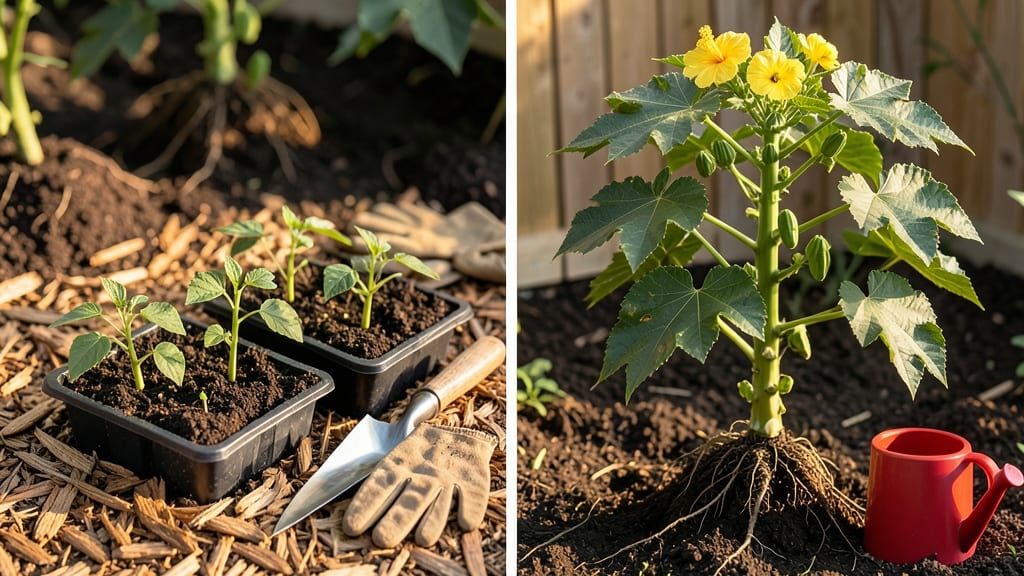
Planting okra in California at the right time means the difference between tender, sweet pods and tough, bitter ones — and the key is knowing your heat zone.
If you’ve ever watched your okra struggle through a late spring chill or bolt too early in the heat, you’re not alone. The coastal fog, inland valleys, and desert zones all demand different timing, and getting it wrong can cost you the whole harvest.
California’s USDA zones 9-10 (and desert 8-9) mean okra can thrive year-round in some areas, but the real trick is waiting until soil temperatures hit 60°F and all frost risk is gone.
That’s why I’ve mapped out the best planting windows by region, from March for coastal areas to late spring for inland valleys.
Below, I’ll walk you through the exact dates, soil prep, and even how to extend your harvest into fall — so you can go from seed to pod without a single bitter disappointment.
California okra planting calendar by heat Zone (best months for success)
California’s diverse climate—from coastal fog to desert heat—means okra planting times vary dramatically by region. In USDA zones 9-11, okra thrives year-round, but timing still matters to avoid bitter pods or stunted growth.
The key? Plant when soil temperatures hit 60°F+ and frost risk vanishes. Coastal areas (like San Diego) can start as early as February, while inland valleys (Sacramento) wait until April-May.
Okra is a warm-season crop that bolts (goes to seed) quickly if planted too early. In Zone 10+ (coastal), you can even grow okra year-round with proper care, but most gardeners focus on spring and summer for peak harvests.
Desert regions (like Palm Springs) have a shorter window—plant in March-April to avoid extreme summer heat stress.
Here’s your heat-zone breakdown with precise planting windows, frost alerts, and soil temp requirements:
| USDA Zone | Regions | Best Planting Months | Soil Temp (°F) | Frost Risk | Harvest Window |
|---|---|---|---|---|---|
| 10-11 | Coastal (San Diego, LA, San Francisco) | Feb-Apr, Aug-Sep (year-round possible) | 60°F+ | None (frost-free) | Apr-Nov (coastal) |
| 9 | Central Valley (Sacramento, Fresno), Bay Area | Apr-May, Aug | 65°F+ | Dec-Jan (light risk) | Jun-Oct |
| 8-9 | Desert (Palm Springs, Death Valley), High Elevation | Mar-Apr (avoid summer heat) | 70°F+ | Nov-Dec (light risk) | May-Sep |
Pro tip: Use a soil thermometer to confirm temps before planting. Okra seeds won’t germinate below 60°F, and seedlings can rot in cold, wet soil. In Zone 9, I’ve had success planting late August for a fall harvest—just use shade cloth if temps exceed 95°F.
For container gardening in urban areas (like LA or SF), start seeds indoors 4-6 weeks before your zone’s last frost date. Okra grows well in 5-gallon pots with full sun, but expect smaller yields than in-ground plants.
Coastal gardeners can even grow okra on balconies with proper drainage and morning sun.
Watch for early bolting in spring—this happens when okra senses cooler nights (below 65°F). To delay bolting, use black plastic mulch to warm the soil faster or plant shade-tolerant varieties like Emerald okra. In desert zones, succession plant every 2 weeks from March to May for continuous harvests.
Remember: Okra’s pod production peaks when days are long and hot. In Zone 10+, you can push harvests into November by providing afternoon shade during heatwaves. Just stop fertilizing 6 weeks before your first expected frost (if applicable) to let plants focus on pod maturation instead of foliage.
🌱
How to extend okra’s growing season in California (avoiding common mistakes)
California’s long growing season makes okra a year-round possibility in many regions, but coastal fog and inland heat can still cut harvests short. The secret to extending your okra season lies in succession planting, shade protection, and choosing the right varieties for your microclimate.
I’ve grown okra in both the Bay Area’s fog belt and the Central Valley’s heat, and the difference between a 6-week harvest and a 12-week one comes down to these proven techniques.
In coastal areas, where temperatures stay mild year-round, okra can produce pods from spring through fall—but only if you plant in stages. Meanwhile, inland gardeners face bolting risks from sudden heat spikes, which can turn sweet pods into bitter ones overnight.
The solution? A mix of cold-hardy varieties, shade cloth, and strategic watering to keep plants happy longer.
One of my biggest mistakes early on was ignoring soil temperature—okra seeds won’t germinate below 60°F, and even established plants struggle in cool soil.
In USDA Zone 10 (coastal), I’ve had success planting every 2-3 weeks from March through September, while in Zone 9 (inland), I stick to late spring to early fall to avoid early bolting.
⚠️ Warning: Coastal vs. Inland Pitfalls
Coastal gardeners often overlook morning fog—okra needs 6+ hours of direct sun to produce pods. If your plants look leggy or stop flowering, it’s time for shade cloth (30-50%) during peak fog hours. Inland growers, meanwhile, risk heat stress—when temps hit 95°F+, pods develop faster but become tough. Mulch heavily and water deeply at soil level (not overhead) to prevent bolting.
Pro Tip: Test soil temps with a soil thermometer—okra thrives at 75-85°F. If your soil runs cooler than 65°F, wait or use black plastic mulch to warm it faster.
For late-season harvests, I swear by ‘Emerald’ okra—it tolerates cooler temps better than most varieties and keeps producing until first frost. Pair it with succession planting: sow seeds every 2 weeks from June to August for a continuous harvest.
In container gardens, use 5-gallon pots with fast-draining soil and move them to protected spots (like against a south-facing wall) when evening temps dip below 60°F.
Watering is where most gardeners trip up. Okra is drought-tolerant once established, but inconsistent moisture leads to poor pod development. My rule? Deep water 2-3 times per week in summer, focusing on the root zone (not the leaves).
Let the top inch of soil dry out between waterings—this prevents blossom-end rot and keeps pods tender. In coastal areas, reduce watering slightly in fall to harden off plants before winter rains.
If your okra starts bolting too early, it’s often a sign of heat stress or overcrowding. Thin seedlings to 12-18 inches apart and prune lower leaves to improve airflow. For inland gardens, install shade cloth (30%) by mid-afternoon in August to lower soil temps by 5-10°F.
And always harvest pods every 2-3 days—overripe pods signal the plant to stop producing.
With these adjustments, I’ve extended my okra harvest from 6 weeks to nearly 12 weeks in Zone 10, and inland gardeners report similar success. The key? Monitor soil temps, plant in stages, and protect from extremes.
Now grab your seeds—your next okra harvest could be the longest yet! 🌱