
Plants
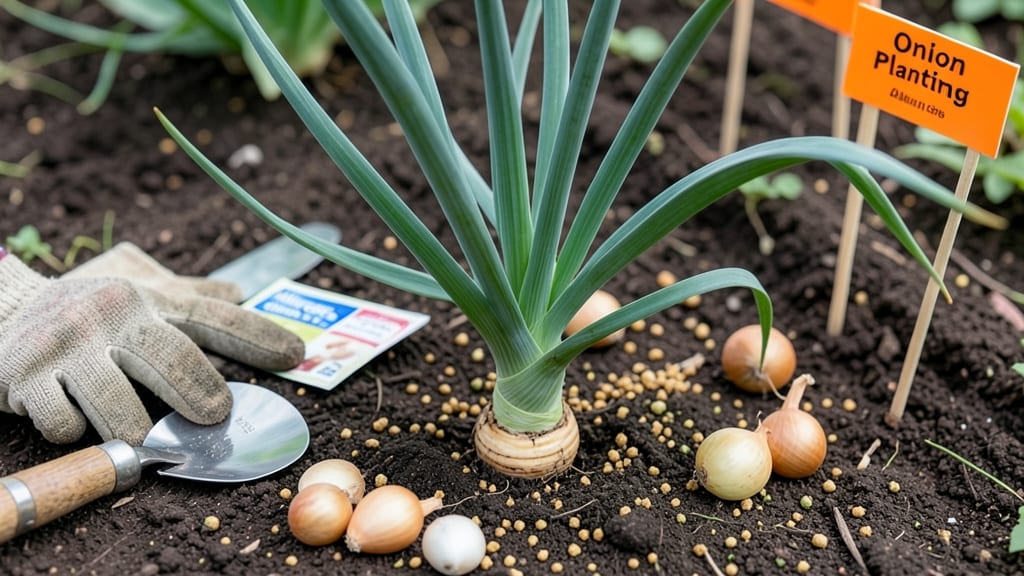
To plant onions in North Carolina at the perfect time means avoiding bitter bulbs or no harvest at all — and the window is narrower than you think.
One wrong move and you’re stuck with 60-day onions that bolt in the heat or 120-day varieties that rot before they mature. The state’s 7a-8b zones flip from frost risk to sweltering summers faster than you’d expect, so timing isn’t just about months—it’s about microclimates.
Here’s the breakdown: February–March for spring onions (harvest by June) and August–September for fall crops (ready by November), plus how to tweak for Piedmont’s cooler nights or Coastal heat. We’ll also cover the one soil trick that saves NC gardeners from onion smut every year.
Skip the guesswork and learn the exact dates, variety picks, and frost-proofing tips that actually work in your corner of the state.
North Carolina’s best planting windows for onions by hardiness zone
North Carolina’s diverse USDA hardiness zones 6b-8a create unique challenges for onion growers. From the mountainous west to the coastal plains, frost dates shift dramatically—sometimes by 3-4 weeks.
Planting at the wrong time risks bolting (premature flowering) or stunted bulbs. Let’s break down the optimal planting windows for each zone, accounting for NC’s microclimates and soil temperature thresholds.
Onions thrive when soil temperatures hover between 45°F and 65°F. In NC’s Piedmont region (zones 7a-7b), this typically means planting 4-6 weeks before the last frost (usually late February to early March).
Meanwhile, coastal areas (zone 8a) can start as early as January, while mountain zones (6b) may need to wait until March to avoid frost damage.
Here’s your zone-by-zone planting schedule, including both spring and fall options for year-round harvests:
For spring onions, aim to harvest by late June to avoid the summer heat that causes bolting. In zones 7a-8a, short-day onion varieties (like ‘Candy’ or ‘Texas Early White’) perform best, while mountain zones (6b) benefit from long-day types (e.g., ‘Yellow Sweet Spanish’) to prevent flowering.
Fall planting is trickier in NC due to early coastal frosts. Start seeds indoors in July for transplanting by mid-August. Use black plastic mulch to extend the season by 2-3 weeks in cooler zones.
In zone 8a, you can push it to September 1, but monitor soil temps—they should stay above 50°F for root growth.
Pro tip: Test your soil’s pH (6.0–7.0 ideal) before planting. NC’s clay soils in the Piedmont often need compost or sand to improve drainage. Amend beds in October for spring planting or June for fall prep.
Remember, frost dates vary yearly. Check the NC State Climate Office for real-time updates. Planting onions in NC isn’t just about the calendar—it’s about reading your microclimate like a pro.
🌱
How to adjust onion planting for North Carolina’s microclimates
North Carolina’s diverse geography—from the mountainous west to the coastal plains—creates unique challenges for onion growers. Each region has distinct soil types, frost patterns, and temperature swings that demand tailored planting strategies.
For example, the Piedmont’s clay-heavy soil drains poorly, while the coastal sandy loam dries out faster. Let’s break down how to adapt your onion planting for these microclimates.
First, consider short-day vs. long-day onion varieties. Most NC gardeners should opt for long-day varieties (like ‘Texas Early White’ or ‘Yellow Sweet Spanish’) since they thrive in the state’s extended daylight.
However, if you’re in the southern coastal plains, short-day varieties (like ‘Candy’ or ‘Red Creole’) may perform better due to milder winters. Always check the seed packet for day-length requirements to avoid bitter bulbs.
Here’s how to adjust planting timing and care based on your region:
North Carolina Onion Planting Adjustments
- 📅 Plant in early March to avoid late frosts
- 🌱 Use row covers until soil warms
- 💧 Water deeply 2x/week (cool nights slow evaporation)
- 📅 Plant February-March or August-September
- 🌿 Amend clay soil with compost/sand
- ☀️ Mulch heavily to retain moisture
- 📅 Plant January-February for spring harvest
- 💧 Water 3x/week (sandy soil dries fast)
- 🌡️ Use shade cloth in summer heat
Soil preparation is critical—especially in clay-heavy Piedmont soils. Mix in 2-3 inches of compost or aged manure before planting to improve drainage. For sandy coastal soils, incorporate peat moss or coconut coir to retain moisture.
Test your soil’s pH (6.0-7.0 ideal) and add lime if needed, as NC soils often lean acidic.
Mulching strategies vary by region too. In the mountains, use straw mulch (4-6 inches) to insulate bulbs from cold snaps. For the coastal plains, opt for black plastic mulch to warm soil faster in early spring.
Always leave tops exposed to prevent rot. Row covers are another game-changer—use them to extend fall planting into October or protect early spring sets from unpredictable late frosts.
Finally, adjust your harvest timing by region. Mountain onions may need 1-2 extra weeks to mature due to cooler temps, while coastal onions can be ready 2 weeks earlier.
Watch for yellowing tops and papery skins—these are your cues to pull bulbs. Store harvested onions in a cool, dry place with good airflow to prevent spoilage.
With these regional tweaks, you’ll avoid the bitter bulbs and poor yields that plague many NC gardeners. Experiment with varieties and mulches to find what works best in your microclimate—your taste buds (and dinner table) will thank you! 🧅