
Plants
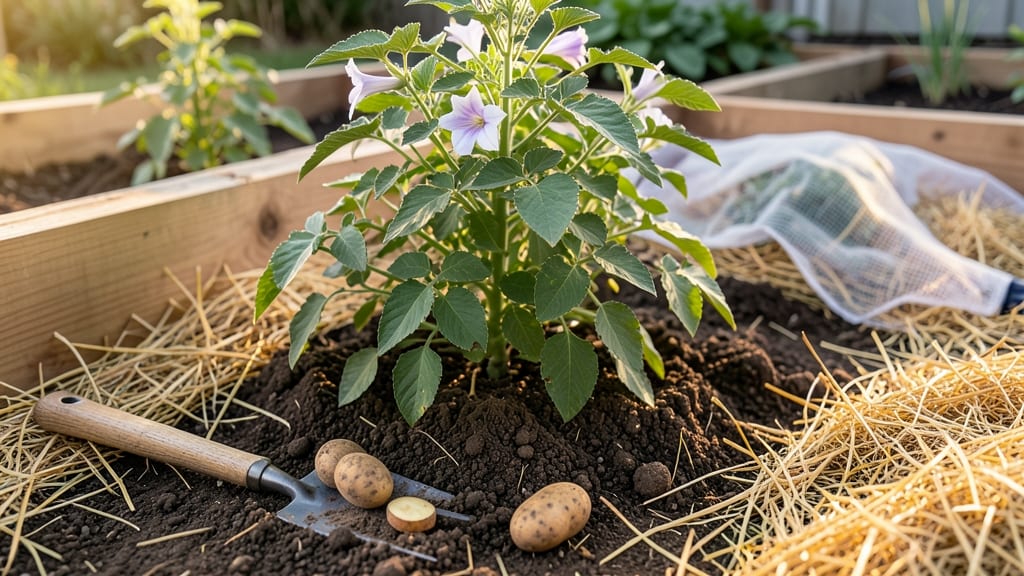
Planting potatoes in Zone 4 after the last frost date—typically mid-May—sets you up for a fast harvest before summer heat arrives.
Zone 4 gardeners know timing is everything—plant potatoes too early, and frost will kill your crop; too late, and you’ll miss peak harvest season. But with the right soil temperature tricks, you can accelerate sprouting and maximize your yield before summer heat sets in.
Most varieties need soil temperatures between 40°F and 50°F to sprout reliably, which means waiting for the ground to thaw completely. Cold frames or black plastic mulch can shave weeks off that wait, giving you a head start on 90-day harvests.
Below, I’ll walk you through the exact planting window for your region, soil prep tips to speed up sprouting, and the best early vs. late varieties for Zone 4’s short growing season.
Best planting times for potatoes in Zone 4 based on soil temperature
In Zone 4, potatoes need precise timing—plant too early, and frost will stunt growth; too late, and you’ll lose your harvest window. The secret lies in soil temperature, which must reach 40°F-50°F for sprouting.
Most gardeners wait until 2-3 weeks after the last frost date, but with soil-warming tricks, you can start earlier and extend your season.
Your best window in Zone 4 is mid-April to early May for early varieties, or late May to early June for late-season types. However, these dates shift yearly—always check your local frost dates and monitor soil temps with a thermometer.
For accelerated planting, use black plastic mulch or straw to warm soil faster.
For early varieties like Yukon Gold or Red Pontiac, aim for late April when soil hits 45°F. These cold-tolerant types sprout faster and handle brief frosts better than late-season varieties. Use a soil thermometer to confirm—waiting for 50°F+ ensures consistent germination.
If you’re using black plastic mulch, lay it down 1-2 weeks before planting to raise soil temps by 5-10°F. This lets you plant 2-3 weeks earlier than traditional methods. For organic gardens, straw mulch adds 3-5°F warmth and improves soil structure over time.
Late varieties like Kennebec or Russet need warmer soil (50°F+) and should go in late May. These take longer to mature (110+ days) but produce larger tubers. If your season is short, prioritize early-maturing varieties (60-90 days) to avoid frost damage.
Pro tip: Chit your seed potatoes (pre-sprout indoors) 4-6 weeks before planting to jumpstart growth. Place them in a bright, cool spot (50°F) until 1-inch sprouts form. This gives you a 2-week head start on the season.
Never plant green seed potatoes—they contain solanine, a toxin harmful to humans. Choose certified disease-free seed potatoes from garden centers, and store them in a cool, dark place (40°F-50°F) until planting.
For Zone 4 gardeners, the key is balancing soil warmth and frost risk. Use row covers or cold frames for extra protection if planting early. Monitor your garden daily—potato plants wilt easily in heat or drought, but they’ll bounce back if soil stays moist.
Remember: Harvest timing matters too. Early potatoes can be dug 60-90 days after planting, while late varieties need 110+ days. In Zone 4, aim to harvest before July 4th to avoid summer blight and pests like Colorado potato beetles.
How to prep your Zone 4 soil for faster potato sprouting
Cold Zone 4 soils can delay potato sprouting for weeks, but the right prep transforms your garden into a sprout-accelerating powerhouse. Start by testing your soil pH—potatoes thrive in 5.0 to 6.5.
If your soil tests lower, mix in lime (1-2 lbs per 100 sq ft) 4-6 weeks before planting. For acidic soils, add elemental sulfur instead.
Next, focus on organic matter. Work in 3-4 inches of compost or well-rotted manure before planting. This boosts soil temperature retention and provides essential nutrients. Avoid fresh manure—it can burn delicate sprouts and attract pests. Instead, opt for aged compost tea for a gentle nutrient kick.
⚠️ WARNING: Common Mistakes That Kill Sprouts in Zone 4
To further speed up sprouting, use cold frames or cloches over newly planted seed potatoes. These create microclimates that raise soil temperatures by 10-15°F and protect tender sprouts from late frosts.
Remove covers once plants reach 6 inches tall to prevent overheating. For extra insurance, plant early varieties (like 'Yukon Gold') under cloches 2-3 weeks before your usual planting date.
Don’t forget to test soil moisture regularly. Potatoes need consistent moisture but hate soggy conditions. Stick your finger 2 inches deep—if it’s dry, water deeply.
Use a drip irrigation system to deliver water slowly at the soil level, reducing evaporation and fungal risks. Avoid overhead watering, which can spread disease.
Finally, consider planting in raised beds. They warm up 1-2 weeks faster than in-ground soil and give you better control over drainage. Fill beds with a mix of topsoil, compost, and peat moss for ideal texture.
Add a mulch blanket of straw once plants emerge to retain moisture and suppress weeds.
With these soil prep tricks, your Zone 4 potatoes will sprout 2-3 weeks faster and give you a head start on the growing season. The key is patience—wait for the right soil temperature, but act quickly once conditions are ideal to maximize your harvest before summer heat arrives. 🌱