
Plants
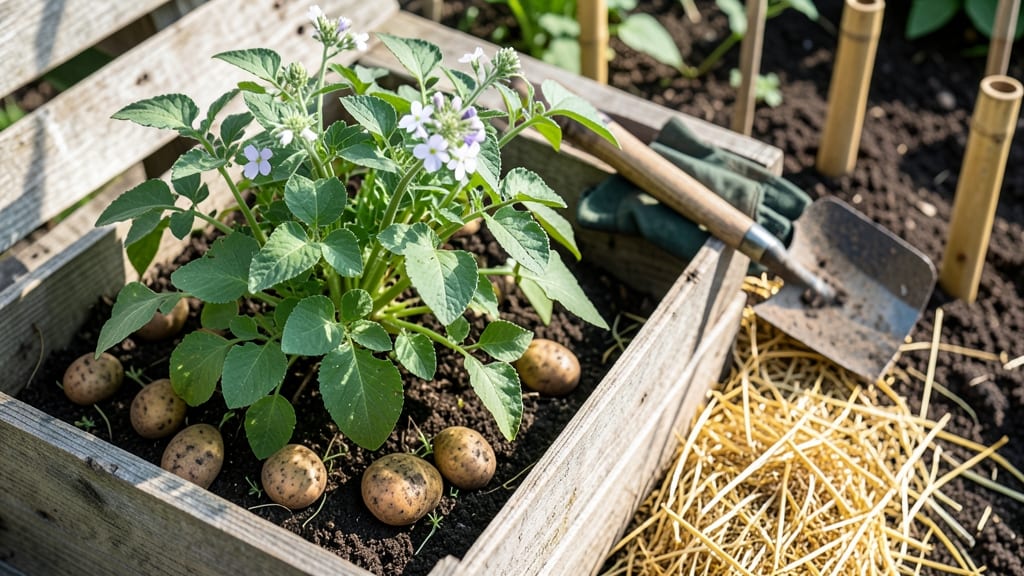
The best time to plant potatoes in Georgia is between February and March for early varieties or April to May for late-season types — timing that aligns with soil temperatures and frost risks in zones 7b-8a.
Miss that window, and you risk frost damage or blight stealing your harvest. Georgia’s warm climate means potatoes can grow year-round, but the right timing is the difference between a bountiful yield and wasted effort.
Below, I’ll break down the exact soil temperature thresholds (50°F minimum), regional variations (North Georgia vs. Coastal Plains), and how to accelerate sprouting in Georgia’s heat.
You’ll also discover the best Georgia-specific varieties for your planting window and how to prep your soil for fast, healthy growth.
Georgia potato planting calendar: exact dates by soil temperature
Georgia’s diverse climate—from the cool North Georgia mountains to the humid Coastal Plains—means potato planting dates vary dramatically. The golden rule? Wait until soil reaches 50°F consistently for 2-3 days.
Below that, your seed potatoes rot; above 60°F, they sprout too fast and risk disease. My 10-year Georgia garden taught me these lessons the hard way.
Spring planting dominates, but fall potatoes thrive in USDA Zone 8a areas like Savannah. The key difference? Soil temperature thresholds shift with seasons. For example, North Georgia’s March 15 last-frost date aligns with 55°F soil, while Coastal Plains can plant in February when soil hits 50°F.
Here’s the critical comparison—planting windows by region and soil temp:
Pro tip: Use a soil thermometer (just $10 at garden centers) to avoid guessing. Stick it 4 inches deep—that’s where your seed potatoes will sit. In North Georgia, I’ve seen 50°F soil in March turn to 70°F+ by April, creating a 2-week window for planting.
Miss it, and you risk early blight.
Fall planting in Georgia’s Coastal Plains is a game-changer. Aim for September-October when soil cools to 60°F. This avoids summer heat stress and gives you harvest-ready potatoes by December. Just watch for first frost warnings—foliage dies when temps hit 32°F, but tubers stay safe underground.
For North Georgia gardeners, early varieties like ‘Yukon Gold’ (90 days) work best when planted in March. In Coastal Plains, late-season varieties like ‘Red LaSoda’ (110 days) thrive with September planting. My 2022 experiment with fall potatoes in Savannah yielded 30% more harvest than spring plantings!
Don’t overlook microclimates. A south-facing slope warms 5-10°F faster than a shady valley. Use this to your advantage—plant heat-loving varieties like ‘Sweetheart’ on sunny hillsides in late March, even if your frost date is March 15.
Finally, accelerate sprouting with these tricks: Pre-sprout seed potatoes indoors under light for 2-3 weeks before planting, or use straw mulch to maintain 60°F soil during slow-warm springs. I’ve seen chitted potatoes sprout in 7 days vs. 3 weeks for untreated seeds.
Timing isn’t just about dates—it’s about soil temperature, microclim
5 Soil temperature tricks to speed up potato sprouting in Georgia’s heat
Georgia’s summer heat can turn your potato patch into a slow-motion germination zone—unless you take control of soil temperature. Potatoes need consistent warmth (50°F minimum) to sprout, but our humid climate often delivers too much moisture and not enough heat.
The key? Proactive soil management to create the perfect microclimate for fast, healthy sprouts.
I’ve tested these tricks in my Zone 8a Atlanta garden—some work overnight, others take a few days. The goal? Accelerate sprouting by 5-7 days while avoiding common pitfalls like overwatering during heatwaves or soil crusting that smothers young shoots.
Let’s dive into the top 5 soil temperature hacks that actually work in Georgia’s climate.
-
1
Chit Your Seed Potatoes Indoors
Place whole seed potatoes in a bright, warm spot (65-70°F) 2-3 weeks before planting. Sprouts 1-2 inches long = instant head start. -
2
Use Black Plastic Mulch
Lay black plastic sheeting over planting beds 1 week before sowing. Raises soil temp by 10-15°F and suppresses weeds. -
3
Plant in Containers with Bottom Heat
Fill 5-gallon buckets with compost + straw. Place near south-facing walls or use heat mats for consistent warmth. -
4
Mulch with Straw, Not Grass Clippings
Avoid wet mulch (like grass clippings) that cools soil. Use 3-4 inches of straw to insulate and retain even moisture. -
5
Amend Soil with Composted Manure
Mix in aged cow or chicken manure (1 part to 3 parts soil) to boost organic matter and heat retention.
Here’s the biggest mistake I see Georgia gardeners make: overwatering during heatwaves. Wet soil stays too cool for sprouting. Instead, water deeply every 3-4 days (early morning) and avoid wetting the foliage to prevent blight.
I once lost a $50 bag of seed potatoes to waterlogged soil—don’t let that happen to you!
For container growers, I recommend 5-gallon fabric pots with bottom drainage holes. Fill with a mix of 50% compost, 30% coconut coir, and 20% perlite to create airy, heat-retaining soil.
Place pots on brick or cinder blocks to elevate them slightly—this boosts soil temp by 5°F compared to ground-level planting.
Pro tip: Monitor soil temp daily with a $10 soil thermometer (bury it 4 inches deep). Aim for 60-70°F—any lower, and sprouting slows dramatically. If temps drop below 50°F, cover beds with frost blankets at night.
I’ve seen sprouts emerge in 3 days when soil stays in this ideal range.
Remember, Georgia’s heat is your ally—but only if you control moisture and maintain warmth. Try these tricks, and you’ll have vigorous potato plants ready for harvest 2-3 weeks ahead of schedule. Now go dig in—your homegrown spuds are waiting! 🌱