
Plants
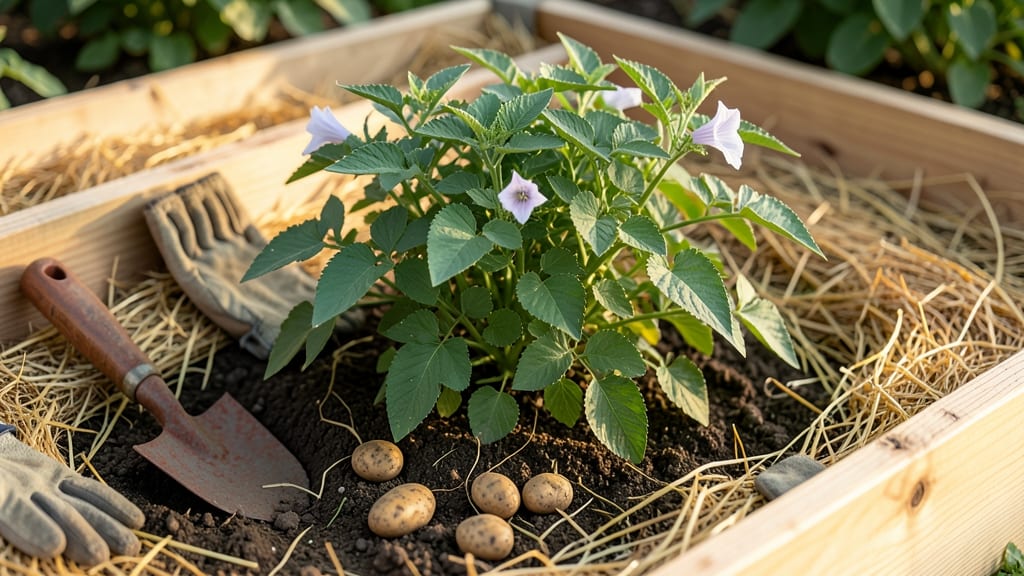
Planting fall potatoes in Oklahoma works best when you start 8 to 12 weeks before the first frost—typically mid-July to early August for USDA Zones 7a/7b.
Here’s the catch: Oklahoma’s warm autumns can trick you into waiting too long, but potatoes need cool soil and shorter days to mature. Miss the window, and you’ll either lose your crop to frost or end up with tiny, underdeveloped tubers.
This guide breaks down the exact planting dates by zone, soil prep tips to speed up growth, and how to pick varieties that thrive in Oklahoma’s shorter fall season.
By the end, you’ll know when to plant, how to adjust for late starts, and which potatoes deliver the biggest harvest before winter sets in.
Fall potato planting dates in Oklahoma by USDA Zone 7a/7b
Oklahoma’s USDA Zones 7a/7b offer a perfect window for fall potato planting—just don’t miss the mark. The key is planting 8-12 weeks before your first frost, which typically lands between mid-August and early September.
This timing ensures your potatoes mature before winter sets in, even with Oklahoma’s unpredictable autumn weather.
For Zone 7a (average first frost: November 15), aim for planting between August 15 and September 1. In Zone 7b (average first frost: November 22), you’ve got a slightly longer window—August 22 to September 8.
These dates give most varieties 90-110 days to reach harvest before frost.
| Variety Type | Planting Window (Zone 7a) | Planting Window (Zone 7b) | Days to Maturity | Backup Window |
|---|---|---|---|---|
| Early Varieties (e.g., Red Norland) | August 15 - August 30 | August 22 - September 2 | 75-85 days | September 1-15 (if soil warm) |
| Mid Varieties (e.g., Yukon Gold) | August 22 - September 1 | August 29 - September 8 | 85-95 days | September 10-20 (if needed) |
| Late Varieties (e.g., Russet) | September 1-15 | September 8-20 | 100-110 days | None (risky) |
| Soil Temp Requirement | 50°F+ | 50°F+ | N/A | Use black plastic mulch |
If you miss the ideal window, don’t panic—backup planting dates exist for early varieties. For example, if you plant Red Norland in early September, use black plastic mulch to warm the soil faster. This can extend your planting window by 2-3 weeks without sacrificing yield.
Oklahoma’s microclimates play a big role, too. Areas like Oklahoma City (Zone 7b) often have warmer soils longer than rural areas in Zone 7a. Use a soil thermometer to confirm 50°F+ soil temps before planting—this is critical for sprouting.
For late varieties like Russet, planting after September 15 in Zone 7a is risky. These need 100+ days to mature, and frost can strike before harvest. Stick to early or mid-season varieties for fall planting in Oklahoma—they’re designed to handle cooler temps and shorter growing seasons.
Pro tip: Plant seed potatoes deeper (4-6 inches) in fall to protect them from temperature swings. Add 2-3 inches of straw mulch after planting to insulate the soil and retain moisture. This simple step can make the difference between a failed crop and a bountiful harvest.
Monitor your garden closely in late October. If frost threatens before your potatoes are ready, cover plants with row fabric or old blankets at night. This buys you 1-2 extra weeks to let tubers finish maturing underground.
Remember, soil temperature matters more than air temperature. Even if daytime highs feel warm, nighttime soil temps can drop below 50°F, stalling growth. Use a soil thermometer to avoid costly mistakes—it’s your best tool for fall potato success in Oklahoma.
With these precise planting dates and adjustments, you’ll harvest firm, flavorful potatoes before winter. Start early, stay flexible, and enjoy the rewards of Oklahoma’s fall garden magic! 🌱
How to adjust planting for Oklahoma’s variable fall weather
Oklahoma’s fall weather can swing from unseasonably warm to early frost in just weeks. This unpredictability makes it tricky to nail the perfect planting window for potatoes. The key is balancing soil warmth and frost dates while accounting for temperature drops.
I’ve learned that even a 5-degree shift can delay maturity by weeks, so flexibility is critical.
Start by monitoring soil temperatures—potatoes thrive when soil stays above 50°F (10°C). Use a soil thermometer to check daily, especially in Zone 7a where nights can dip faster.
If temperatures hover near 45°F (7°C), your tubers may rot before harvest. I’ve found that black plastic mulch raises soil temps by 5-10°F, buying you extra growing time.
Oklahoma’s average first frost arrives between October 20-30, but this varies yearly. For a 90-day variety like Yukon Gold, plant no later than September 15 in Zone 7a. In Zone 7b, you’ve got until September 25.
However, if warm spells linger, push back to October 5—just ensure you have 8-12 weeks before frost.
Planting too early in Zone 7a risks early blight from prolonged warmth, while late planting may yield small, underdeveloped tubers. Use row covers if frost threatens before harvest—even a light frost can damage leaves, but tubers often survive if soil stays above 32°F (0°C).
🌱 Pro Tip: Test soil temps at 8 AM for accuracy—morning readings are often 5°F cooler than afternoon.
Choose cold-hardy varieties like Red Pontiac or Kennebec, which tolerate 40°F (4°C) soil temps better than Yukon Gold. I’ve had success with early maturing varieties (60-70 days) planted in late August for a harvest before hard frost.
For later plantings, opt for second early types like Desiree, which handle cooler soils.
Extend your growing season with frost cloths or low tunnels. These add 4-6°F of protection and let you plant up to October 10 in Zone 7b. I cover my rows at dusk during 40°F (4°C) nights and remove them by 10 AM to prevent overheating.
Pair this with straw mulch (4-6 inches) to insulate soil and retain moisture.
Finally, adjust your planting depth based on soil conditions. In dry spells, plant 4 inches deep to keep tubers moist; in wet years, go 6 inches deep to prevent rot.
I’ve found that hilling soil every 2 weeks encourages more tuber formation, especially in shorter autumns. With these tweaks, you can turn Oklahoma’s unpredictable falls into a potato-growing goldmine.