
Plants
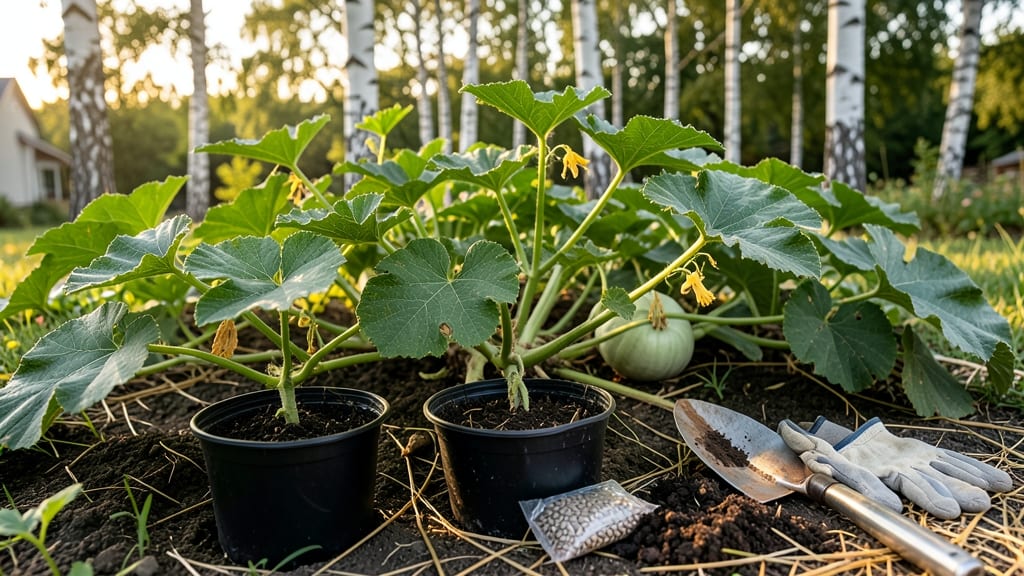
Plant pumpkins in Northern California between mid-March and June—but timing shifts wildly from the foggy coast to the Central Valley’s heat.
Picture this: You plant your 🎃 seeds in early April, only to watch them wilt in Santa Cruz’s lingering coastal chill, while your neighbor in Stockton laughs all the way to the pumpkin patch with vines stretching toward the sky.
That’s Northern California’s microclimates for you—where a two-week difference can mean the difference between a bumper crop and a sad, stunted vine.
Soil temperature is the real secret weapon. Pumpkins need 50°F+ to germinate and 60°F+ to thrive, and that threshold hits coastal areas weeks later than inland spots.
I’ll break down the exact frost-free windows by region, plus how to cheat the system with mulch and row covers to extend your growing season—because in 8a-9b, every extra day counts.
By the end, you’ll know not just when to plant, but how to read your local weather like a pro, pick the right variety for your microclimate, and avoid the three biggest mistakes that turn Northern California’s pumpkin dreams into dusty compost. Let’s get those vines growing!
Northern California pumpkin planting calendar by soil temperature zones
Pumpkins thrive when soil temperatures hit 50°F+ for germination, but 60°F+ ensures faster, healthier growth. In Northern California, these thresholds arrive weeks apart across regions—coastal areas lag behind inland zones due to ocean breezes.
Using last frost dates and soil thermometers (or your elbow—soil should feel warm, not cold) prevents wasted seeds or stunted vines.
Your planting window depends on whether you’re growing large jack-o’-lantern varieties (90+ days to maturity) or small pie pumpkins (75–85 days). Coastal gardeners often start 4–6 weeks later than Central Valley growers, but black plastic mulch can shave off 2–3 weeks of waiting time.
Let’s break down the 6 key regions and their ideal planting schedules.
🌱 PRO TIP: Test soil temperature at 4-inch depth for 3 consecutive days before planting. Morning readings are most accurate.
| Region | Last Frost Date | Soil Temp Threshold (50°F+) | Planting Window | Notes |
|---|---|---|---|---|
| Coastal (San Francisco, Santa Cruz) | April 15–May 1 | Late April–early May | May 1–June 15 | Fog delays germination; use row covers. |
| Bay Area (Oakland, Berkeley) | March 20–April 5 | Early April | April 15–May 10 | Urban heat islands may warm soil faster. |
| Sacramento Valley | March 1–March 15 | Mid-March | March 20–April 10 | Early planting risks heat stress; opt for heat-tolerant varieties. |
| Sierra Foothills (Chico, Redding) | March 15–April 1 | Late March | April 1–April 15 | Higher elevations need black plastic mulch. |
| Central Valley (Fresno, Bakersfield) | February 15–March 1 | Early March | March 1–March 20 | Hot summers; prioritize shade cloth for vines. |
| High Desert (Reno, Lake Tahoe) | May 1–May 15 | Late May | May 20–June 1 | Short season; choose fast-maturing varieties (75 days). |
If you’re in the Central Valley or Sacramento area, you can push the envelope by planting heat-tolerant varieties like ‘Howden’ or ‘Cinderella’ as early as late February—just monitor soil temps closely. In contrast, coastal gardeners should wait until mid-May to avoid early blight risks from lingering dampness.
For container growing, use 5-gallon pots and plant 2–3 weeks later than your region’s ideal window. Containers warm up faster but dry out quicker, so mulch heavily and water at the soil line to avoid wetting leaves. Dwarf varieties like ‘Jack Be Little’ thrive in this setup.
🌡️ WARNING: Soil temps above 85°F can stunt pumpkin growth. In the Central Valley, provide afternoon shade or
How microclimates in Northern California shift pumpkin planting dates
Your neighbor in Stockton might swear by planting pumpkins in early March, but if you’re in Santa Cruz, that same timing could leave your seeds rotting in cold, foggy soil. Northern California’s microclimates create planting windows that shift by 2-4 weeks—even just 50 miles apart.
These differences aren’t just about frost dates; they’re shaped by coastal fog, urban heat islands, and elevation changes that alter soil warmth and air temperature.
To avoid wasted seeds or stunted vines, start by checking your USDA Plant Hardiness Zone (most of Northern California falls in 8a-9b, but microclimates complicate this). For example, Sacramento’s last frost typically arrives by March 15, while Redding’s high-desert pockets can be frost-free by February 20.
Meanwhile, San Francisco’s coastal fog often delays planting until mid-April—even if inland areas are already warm enough.
Wind exposure is another silent killer of pumpkin seedlings. In open coastal areas like Bodega Bay, strong afternoon winds can dry out soil and desiccate young plants—so use windbreaks or plant near fences.
Conversely, urban heat islands in cities like Sacramento can push soil temperatures 5–10°F warmer than rural areas, allowing earlier planting. Use a soil thermometer to confirm 50°F+ for germination; don’t rely on air temperature alone.
Elevation plays a sneaky role too. If you’re gardening in the Sierra foothills (e.g., Nevada City), plant 2–3 weeks later than Sacramento—even if you’re only 50 miles apart. The 1,000-foot elevation gain can drop soil temperatures by 5–8°F, delaying your planting window.
Check NOAA’s climate maps or local Cooperative Extension offices for hyper-local data. For example, Lake Tahoe’s microclimates can shift planting dates by 3 weeks depending on whether you’re in the valley floor or mountain slopes.
Pro tip: Overlay USDA Hardiness Zone maps with local frost probability tools (like the Western Regional Climate Center’s data). For instance, Santa Rosa’s 80% frost-free date is April 10, but Healdsburg’s is April 25—just 20 miles apart.
Adjust your planting by 10–14 days if your area has a higher-than-average frost risk. And if you’re in a fog-prone zone, consider black plastic mulch to warm soil faster—it can add 2–3 weeks to your effective planting window.
Remember, pumpkins need 75–100 frost-free days to mature. If your microclimate’s growing season is shorter (like coastal areas), opt for compact varieties like ‘Jack Be Little’ (75 days) instead of giant ‘Atlantic Giant’ (120+ days).
Use these microclimate adjustments to sync your planting with local conditions—not your neighbor’s schedule.