
Plants
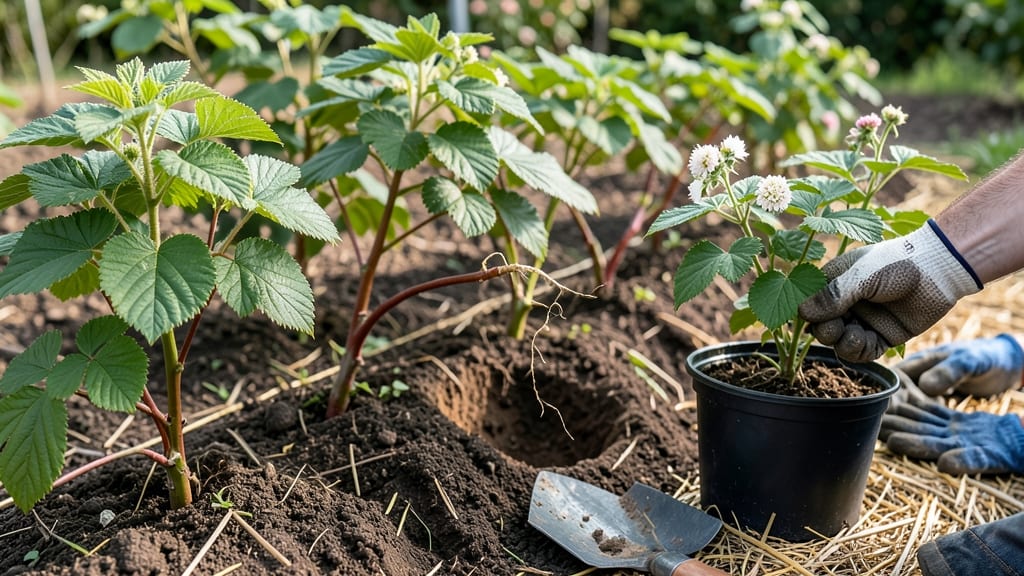
Planting raspberries in Texas at the right time ensures a bountiful harvest of sweet 🍇 berries—whether you're in frost-prone North Texas or balmy South Texas, timing is everything.
Miss the window, and you risk heat stress or winter dieback, leaving you with bare canes and no fruit. But get it right, and you’ll enjoy berries from late spring through fall, with varieties thriving in your specific zone.
Texas gardeners have two prime planting seasons: late winter to early spring (February–March) or fall (September–October). The choice depends on your last frost date, soil prep, and whether you prefer everbearing or fall-bearing types.
Below, I break down the best months by zone, top heat-tolerant varieties, and critical mistakes to avoid—so you can plant with confidence and enjoy a thriving patch all season.
Texas raspberry planting calendar: best months by hardiness Zone
Timing is everything when planting raspberries in Texas—get it wrong, and you risk heat stress, poor root establishment, or even winter dieback. Texas spans USDA Zones 7-10, each with unique frost patterns and heat intensity that dictate the perfect planting windows.
Whether you're in North Texas (Zone 8) with cooler winters or South Texas (Zone 10) where frost is rare, knowing when to plant can double your harvest potential.
Most gardeners focus on spring planting (February-March), but Texas's mild winters in many regions make fall planting (September-October) a smarter strategy for most zones. Fall-planted canes establish roots before winter, giving them a head start in spring.
However, Zone 10's near-frost-free winters flip the script—here, spring planting is critical to avoid summer heat shock. Let's break down the best months for each zone, including why some areas can plant twice a year!
| USDA Zone | Last Frost Date | Best Planting Windows | Why This Timing? | Special Notes |
|---|---|---|---|---|
| Zone 7 (North Texas) | February 15 | Late February-March OR September-October | Spring: Soil warms for root growth. Fall: Canes establish before winter chill. | Double-planting advantage! Zone 8's longer growing season allows both windows. |
| Zone 8 (Central Texas) | March 1 | February-March OR September-October | Spring: Avoids summer heat stress. Fall: Roots develop before winter dormancy. | Best zone for fall planting—milder winters reduce transplant shock. |
| Zone 9 (South-Central Texas) | January 15 | February OR September-October | Spring: Cooler temps ease transplant stress. Fall: Prepares for mild winters. | Avoid summer planting—heat stress kills young canes. |
| Zone 10 (South Texas) | January 1 (rare frost) | February-March ONLY | Spring: Fall planting risks summer heat before fruiting. Spring avoids heat shock. | Use shade cloth in summer to protect canes from extreme heat. |
Zone 8 gardeners have the best of both worlds with a double-planting advantage. The mild winters and long growing season let you plant in both spring and fall, ensuring a staggered harvest.
For example, a spring-planted cane might fruit in summer, while a fall-planted cane waits for the next year's harvest. This strategy works especially well with everbearing varieties, which produce two crops annually.
In Zone 10, where frost is a rare event, spring planting is non-negotiable. Fall-planted canes would struggle through the summer heat before even reaching dormancy. Instead, aim for February-March when temperatures are cooler, and the risk of heat stress is minimal.
I’ve seen many South Texas gardeners fail by planting in summer—young canes simply wilt under 100°F+ temperatures.
For Zone 7, where winters can drop below 20°F, timing is critical. Plant in late February-March to avoid early frost damage, or opt for September-October to give canes time to establish roots before winter.
In my own Zone 7b garden, fall-planted canes consistently outperform spring-planted ones because they enter dormancy with a stronger root system.
One common mistake I see is planting raspberries in summer, regardless of zone. Texas summers are brutal—90°F+ temperatures stress young canes, leading to poor root growth and even death.
If you must plant outside the recommended windows, use shade cloth (30-50%) and daily watering to mitigate heat stress. However, this is a last-resort tactic, not a preferred method.
Pro tip: Always plant bare-root canes in Texas, not potted plants. Bare-root canes adapt faster to our clay-heavy soils and establish roots more aggressively. If you’re using potted plants, transplant them as soon as possible after purchase—delayed planting reduces success rates.
I’ve had the best luck with 1-year-old canes, which are sturdy enough to handle Texas’s unpredictable weather.
Finally, don’t overlook soil preparation. Texas soils are often alkaline and compacted, which raspberries hate. Amend your soil with compost and sulfur to lower pH (aim for 5.5-6.5) and improve drainage. I mix in 2-3 inches of organic matter into the top 12
Top 5 raspberry varieties for Texas gardens and their ideal planting times
Texas' brutal summers and variable winters demand raspberry varieties that thrive in heat and handle occasional freezes. The right variety paired with precise planting times ensures bountiful harvests.
For my garden, I’ve found everbearing types like 'Heritage' and fall-bearing types like 'Natchez' work best—each with specific timing needs to beat Texas' climate challenges.
Everbearing varieties produce two crops per year (spring and fall), while fall-bearing types yield just once but often heavier. In Texas, fall planting (September-October) gives canes time to establish roots before winter, while spring planting (February-March) avoids summer heat stress.
Let’s dive into the top 5 heat-tolerant varieties and their perfect planting windows.
| Variety | Type | Best Planting Time | Heat Tolerance | Harvest Window |
|---|---|---|---|---|
| Heritage | Everbearing | Feb-Mar or Sep-Oct | Excellent | Spring & Fall |
| Natchez | Fall-bearing | Sep-Oct | Very High | Late Fall |
| Boyne Gold | Fall-bearing | Feb-Mar | High | Fall |
| Dorman Red | Fall-bearing | Sep-Oct | Good | Late Fall |
| Caroline | Everbearing | Feb-Mar | Very High | Spring & Fall |
'Heritage' raspberries are my top pick for Texas gardens because they produce two harvests—spring and fall—while handling our 100°F+ summers with ease. Plant them in February-March for spring fruiting or September-October for fall harvests. Their disease resistance also means fewer chemical treatments, which is a win for organic gardeners.
'Natchez' is a fall-bearing variety that thrives in Texas' heat and delivers massive yields in late fall. I plant mine in September to give roots time to establish before winter.
The trade-off? Only one harvest per year, but the golden-red berries are worth it for jam-making or fresh eating. Mulch heavily to protect roots during occasional freezes.
'Boyne Gold' stands out for its golden-yellow berries and exceptional heat tolerance. Unlike other varieties, it performs best when planted in early spring (February-March).
These berries ripen in late summer, avoiding the peak heat stress period. Pair them with drip irrigation to keep roots cool during Texas' hottest months.
For North Texas gardeners (Zones 7-8), focus on fall planting (September) to avoid early spring freezes. In South Texas (Zones 9-10)**, spring planting (February) works better to escape summer’s intensity. Always choose bare-root plants over potted ones—they establish faster in Texas' heavy clay soils.
My final tip: Test soil pH before planting—raspberries prefer 5.5-6.5. Amend with compost and sulfur if needed. With the right variety and timing, you’ll enjoy homegrown raspberries from spring through fall, even in Texas’ tough climate! 🌱