
Plants
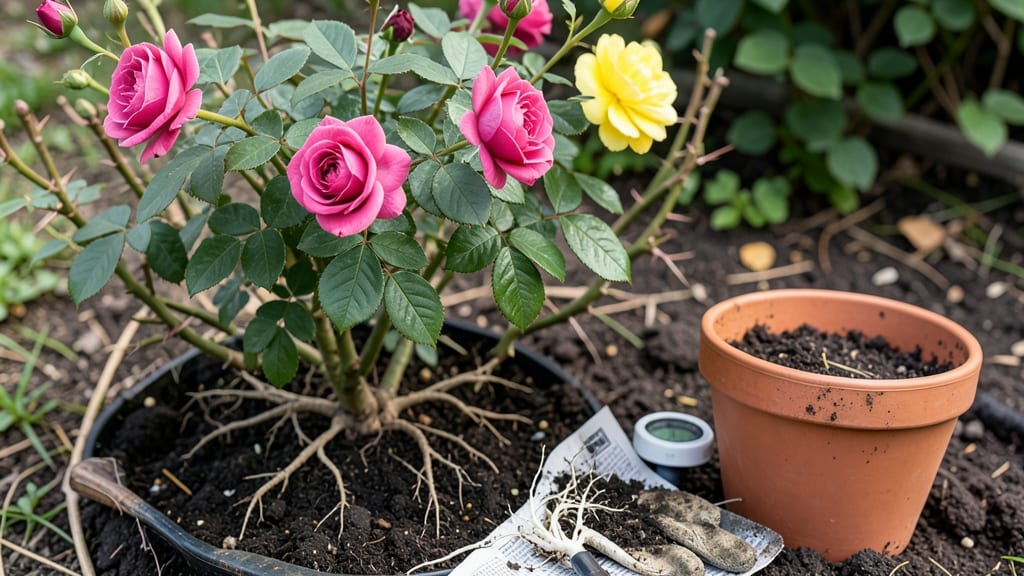
To plant roses in pots, aim for late spring after the last frost—typically April to May in Zone 6a—when soil warms and roots can establish without freezing.
Timing is everything when growing roses in pots—plant too early and risk frost damage, too late and stunt root development. Master these microclimate deadlines to ensure your container roses bloom abundantly all season.
Container roses thrive when planted after the soil reaches at least 50°F, giving roots time to spread before summer heat arrives. In cooler zones, a 4-week pre-planting checklist ensures your pots are ready with proper drainage and nutrient-rich soil.
Whether you’re growing bush roses or climbers, this guide breaks down the best planting windows by zone, adjusts for microclimates, and reveals the critical mistakes that kill container roses before they even bloom.
Optimal planting windows for container roses by USDA zones
Timing your container rose planting depends entirely on your USDA zone and local frost patterns. Unlike in-ground roses, potted roses need soil warmth and frost-free conditions to establish roots quickly.
I’ve broken down the exact planting windows for both bare-root and potted roses across Zones 3–10, so you can avoid common mistakes like frost damage or stunted growth.
For most gardeners, the best time to plant roses in pots falls in early spring (after last frost) or late spring, but the exact timing shifts dramatically depending on your zone.
For example, Zone 3 gardeners should wait until mid-May, while Zone 10 gardeners can plant as early as mid-February. Let’s dive into the specifics to ensure your roses thrive from day one.
If you’re planting bare-root roses, aim for the earliest window in your zone—these roses need 6-8 weeks to establish roots before summer heat arrives.
For example, in Zone 6, I plant mine by mid-April, but I always check soil temps with a thermometer to confirm it’s above 50°F.
For potted roses, you have slightly more flexibility since the roots are already established. However, planting too late can delay blooming. In Zone 8, I’ve found that planting by early April gives roses enough time to recover from transplant shock before summer.
If you miss this window, wait until late August for a fall planting, but only in warmer zones (7+).
One common mistake I see is planting potted roses in soggy soil. Containers drain differently than ground soil, so I always add a 1-inch layer of gravel at the bottom of the pot and use a well-draining potting mix.
This prevents root rot, especially in humid climates like Zone 9, where soil can stay too wet for too long.
Another pro tip: Hardening off potted roses for 7-10 days before planting helps them adjust to outdoor conditions. I move mine to a shaded spot during the day and bring them back indoors at night.
This step is crucial in Zone 4, where sudden temperature swings can shock young plants.
For gardeners in Zone 10, where winters are mild, you can plant year-round, but avoid the hottest months (June–August). Instead, I opt for February or September plantings to give roses time to establish before extreme heat or cold sets in.
Remember, these windows are guidelines, not rules. Always monitor your local weather forecasts and adjust based on soil temperature, not just calendar dates. A quick soil check with a thermometer can save your roses from stress or failure.
With the right timing, your container roses will reward you with vibrant blooms all season. Start by picking your zone, then mark those planting dates on your calendar—your roses will thank you! 🌹
How to adjust planting timing for microclimates and rose varieties
Not all roses thrive on the same schedule—your climber roses need earlier planting than bush roses, and heat-tolerant varieties like 'Knock Out' roses can handle late spring starts that would scorch cold-hardy types.
Microclimates like urban heat islands or coastal breezes can shift ideal dates by 2-4 weeks, so knowing your local conditions is key.
For example, in Zone 7, bush roses should go in the ground by mid-April, while climbers wait until late April to early May to avoid frost damage to their delicate canes.
Meanwhile, coastal areas with milder winters might push planting to early March for cold-hardy varieties, while inland heat zones could delay until May.
- ✅ Week 1: Choose pots 12-18" deep with drainage holes, 2-3x wider than root ball
- ✅ Week 2: Mix 50% potting soil, 30% compost, 20% perlite for aeration
- ✅ Week 3: Test soil pH (6.0-6.5 ideal) and amend with lime or sulfur if needed
- ✅ Week 4: Soak pots for 24 hours before planting to prevent transplant shock
Your rose variety dictates more than just bloom color—it determines your planting window. Cold-hardy varieties like 'Dr. Huey' can handle early spring planting in Zones 3-5, while heat-loving types such as 'Earth Song' should wait until soil reaches 60°F+ to avoid root rot.
Always check your rose's USDA Zone range and adjust for local microclimates.
Urban heat islands can make May planting safer than April, while coastal areas might extend the window into early June due to milder temperatures. If you're unsure, use a soil thermometer—plant when readings hit 55°F+ for 3+ days.
For container roses, this also means pre-warming your pots in a sunny spot for 24 hours before planting.
Climber roses demand extra attention to timing because their canes are more frost-sensitive than bush varieties. In Zones 6-8, delay climber planting until after Memorial Day to avoid late frosts damaging new growth.
Meanwhile, bush roses can often handle April planting in these zones. Pro tip: Use frost cloth for early climber plantings in marginal zones.
Don't forget that container roses dry out faster than in-ground plants, so adjust your timing to ensure adequate moisture. In hot climates, plant in early spring or late summer to avoid midday heat stress.
For cooler coastal areas, a fall planting (September-October) can yield second-season blooms if done 6-8 weeks before first frost.