
Plants
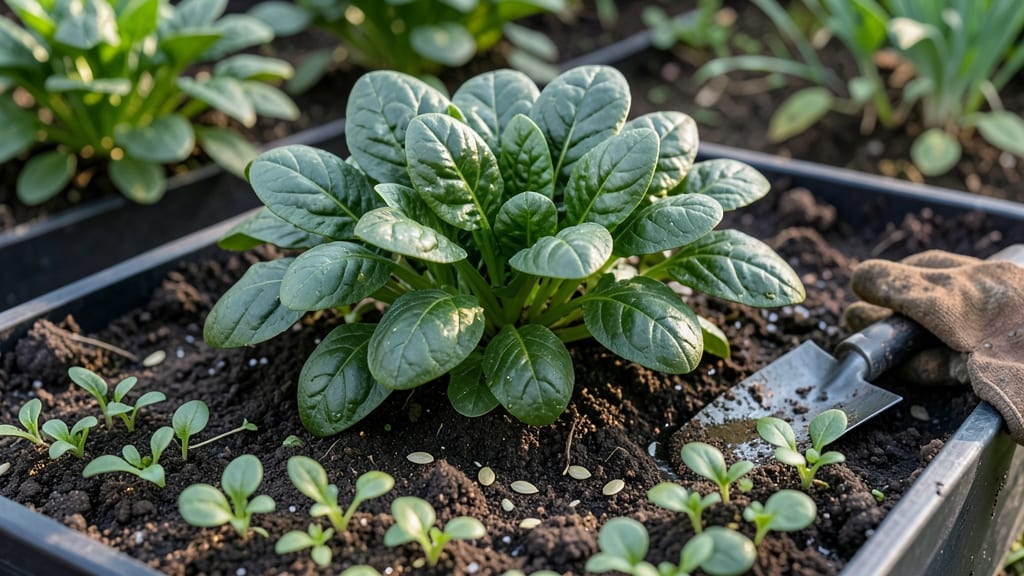
Planting spinach in Louisiana means timing it for the coolest months—September through October for fall harvests and February to March for spring—where the heat won’t trigger that dreaded bolting.
Picture this: you’ve just sown your seeds, full of hope, only to watch them bolt into flower by May. That’s the spinach grower’s nightmare, and it happens when you miss the sweet spot between frost and sweltering heat.
Louisiana’s 8a-9b climate gives you two clear windows to work with, but getting the soil temp and variety right makes all the difference. The wrong move, and you’re left with bitter, stringy leaves—or worse, no harvest at all.
In this guide, I’ll walk you through the exact planting schedule for your region, the heat-tolerant varieties that actually work here, and the simple tricks to keep your spinach 🥬 thriving until the last frost.
Best planting windows for spinach in Louisiana’s climate Zones
Louisiana’s climate—with its sweltering summers and mild winters—demands precise timing for growing spinach. The key is planting when soil temperatures stay below 75°F to prevent bolting (premature flowering).
Northern Louisiana (USDA Zones 8a) has slightly cooler microclimates than southern regions (Zones 8b-9b), so your planting window shifts by 2-3 weeks depending on location.
For fall plantings, aim to sow seeds 4-6 weeks before your area’s first frost. In North Louisiana, this typically means late August to early September, while South Louisiana gardeners should plant between mid-September and mid-October.
Urban gardens may need adjustments—containers heat up faster, so plant 2 weeks later than in-ground beds.
Spring plantings are trickier due to Louisiana’s rapid warming. Seedlings should be in the ground by mid-February in North LA or early March in South LA to avoid heat stress. Rural areas with cooler nights can extend spring windows by 1-2 weeks compared to urban heat islands.
Bolting risk spikes when daytime temps exceed 70°F for more than 3 consecutive days. Use shade cloth (30-50%) during heat spikes (common in April-May) to delay bolting. Mulch with straw or leaves to keep soil temps stable—this is especially critical in urban gardens where pavement radiates heat.
Soil temperature is your best indicator. Use a soil thermometer to confirm temps are 50-65°F before planting. In Louisiana, this usually aligns with September-October for fall and February-March for spring, but microclimates matter—elevated beds in New Orleans may need 10°F cooler soil than flat ground in Shreveport.
Heat-tolerant varieties like 'Tyee' or 'Space' can extend your window by 1-2 weeks in southern zones. These varieties handle 80°F soil temps better than traditional types, but they’ll still bolt faster in 90°F+ heat. Pair them with drip irrigation to maintain consistent moisture.
| Region | Best Planting Window | Soil Temp Goal | Bolting Risk | Microclimate Tip |
|---|---|---|---|---|
| North LA (Zones 8a) | Late Aug - Early Sept (fall) / Mid-Feb (spring) | 50-65°F | Low (cooler nights) | Use black plastic mulch to warm soil faster in spring |
| South LA (Zones 8b-9b) | Mid-Sept - Mid-Oct (fall) / Early March (spring) | 50-60°F (max) | High (rapid warming) | Plant near deciduous trees for natural shade in summer |
| Urban Gardens | Early Sept (fall) / Late Feb (spring) | 45-55°F (pots cool faster) | Very High (concrete heat) | Use 5-gallon containers with shade cloth (50%) |
| Rural Gardens | Late Aug (fall) / Early Feb (spring) | 55-70°F (warmer nights) | Moderate (cooler microclimates) | Plant near water features to moderate temps |
Succession planting every 2 weeks after your initial window ensures continuous harvests. For example, if you plant your first batch on September 1st, follow up with seeds on the 15th and 30th to stagger maturity.
This works especially well for 'Bloomsdale Long Standing', which matures in 45-50 days but holds up better in mild winters.
Watch for aphid infestations in spring plantings—these pests thrive in Louisiana’s humid air and stress heat-sensitive spinach. Use neem oil or introduce ladybugs to control outbreaks before they weaken plants. In fall, slugs become the bigger threat, so set out beer traps or use <
How to extend spinach harvests through Louisiana’s heat spikes
Louisiana’s late-winter heat spikes can turn your spinach into a bitter, bolting mess—but with the right tricks, you can stretch harvests well into spring. The key? Strategic shade, precise watering, and staggered plantings to keep your garden producing when others give up.
I’ve learned the hard way that spinach planted too early in February often bolts by March, while late plantings in April struggle with heat stress. The solution? A multi-phase approach that combines shade cloth, irrigation timing, and succession sowing to outsmart Louisiana’s unpredictable weather.
📌 Numbered Highlights: Heat-Proof Spinach Strategies
- 🌡️ Week 1-2: Install 30-50% shade cloth if temps hit 85°F+ during day. Secure with stakes to avoid sagging.
- 💧 Week 3-4: Water deeply at dawn (1-1.5 inches) to prevent stress-induced bolting. Use drip irrigation for consistency.
- 🌱 Week 5-6: Sow succession batches every 10-14 days from February 15 to March 15 for staggered harvests.
- 🐞 Week 7+: Spray neem oil (1 tsp/gallon) on aphids if leaves curl. Repeat every 7 days until pest-free.
- ✂️ Ongoing: Harvest outer leaves first to delay bolting. Leave 3-4 inner leaves per plant for regrowth.
Start by monitoring soil temps—spinach bolts when roots hit 80°F+. In Louisiana’s Zone 8b-9a, this happens by early March unless you take action. My go-to fix? A lightweight shade cloth (30% shade) draped over rows during peak afternoon heat (12 PM–4 PM).
For irrigation, Louisiana’s clay-heavy soils can dry out fast, triggering bolting. I switch to drip lines set 6 inches deep to deliver water straight to roots. Morning watering is non-negotiable—it reduces fungal risks and keeps leaves dry for longer harvest windows.
Don’t forget succession planting: Sow half your seeds in late February, then repeat every 2 weeks until March 15. This ensures you’re always harvesting fresh spinach while older plants bolt. ‘Tyee’ and ‘Space’ varieties handle heat better than traditional types, giving you 2-3 weeks extra of harvest time.
When aphids (a common Louisiana pest) attack, I reach for organic sprays like soapy water (1 tsp mild soap per quart of water) or garlic spray. Spray undersides of leaves where aphids hide, and repeat until they’re gone. Ladybugs also help—release them at dusk for natural control.