
Companion Plants
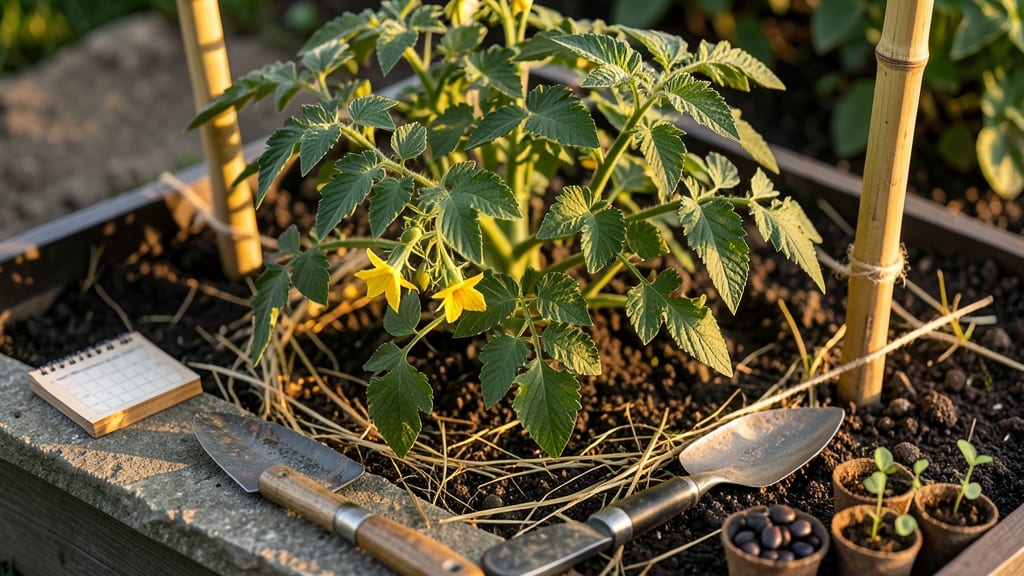
Planting tomatoes in West Virginia after the last frost—typically mid-April to early May—sets the stage for a bumper harvest 🍅, but timing is everything in this state’s varied elevations.
West Virginia’s diverse elevations—from mountain valleys to river flats—create wildly different planting windows for tomatoes. Get your timing wrong, and you’ll miss the sweet, vine-ripened harvest you crave. But follow these microclimate-smart deadlines, and you’ll enjoy juicy tomatoes all summer long.
Lowland areas (below 1,000 feet) can start transplanting as early as April 15, while highland zones (above 2,500 feet) often wait until May 10 to avoid late frosts. Soil temperature must hit 60°F before planting, or your seedlings will struggle.
Here’s how to adjust for your specific elevation, including frost-resistant varieties and the best transplanting techniques to maximize your harvest—no guesswork required.
West Virginia tomato planting deadlines by elevation zone
West Virginia’s dramatic elevation shifts—from the Ohio River’s lowlands to the Allegheny Plateau’s high peaks—mean your tomato planting deadlines can vary by 6 weeks or more.
Lowland gardens near Charleston (300–1,000 ft) enjoy earlier last-frost dates (around April 15), while mountain valleys above 2,500 ft (like those in Tucker County) often wait until May 15 or later. These differences aren’t just about frost—they also affect heat tolerance and growing-season length.
To maximize your harvest, align your planting with soil temperature thresholds (minimum 60°F) and local heat-tolerance windows. Lowland areas can handle heat-loving varieties like 'Celebrity' or 'Solar Fire,' while highland gardeners should prioritize early-maturing types like 'Stupice' or 'Mountain Merit.'
The key is knowing your elevation zone and adjusting your schedule accordingly.
For lowland gardeners (300–1,000 ft), the window between last frost and soil warming is tight—often just 2–3 weeks. Start seeds indoors by March 15 to ensure sturdy transplants ready by April 20.
Use black plastic mulch to accelerate soil warming and extend the season into early November in sheltered microclimates like the Kanawha Valley.
Midland regions (1,000–2,500 ft), covering much of central WV, offer a balanced timeline. Aim to transplant by May 1 to avoid late-May frosts, which can still occur in the Allegheny Mountains.
Choose determinate varieties (like 'Roma' or 'Better Boy') for predictable harvests before September’s heat waves.
Highland areas (2,500+ ft), such as those in Pocahontas County, face the shortest growing seasons. Delay planting until after May 15 and opt for cold-tolerant varieties like 'Glacier' or 'Sub Arctic Plenty.'
These early-maturing tomatoes (50–60 days to harvest) can ripen before first frost (typically October 1–15), but expect smaller yields.
Pro tip: Use a soil thermometer to confirm readiness—60°F is the magic number for tomato roots. In cooler microclimates, row covers can push transplanting back by 1–2 weeks, while staggered planting (every 2 weeks) extends harvests across all elevations.
Don’t wait until the last minute—tomatoes hate cold feet!
If you’re unsure about your elevation’s last-frost date, check local WV Extension Service reports or use Almanac’s Frost Calculator. For example, Morgantown (1,500 ft) averages April 22 for last frost, while Lewisburg (1,200 ft) is often April 18.
These nuances can mean the difference between a bountiful harvest and bolted plants.
Remember: Heat stress is just as critical as frost. Lowland areas may need shade cloth after July 15 to prevent blossom drop, while highland gardens benefit from south-facing slopes to maximize sunlight. Plan your tomato varieties and planting dates with these regional quirks in mind for the best results.
🌱
How to adjust tomato planting for West Virginia’s unpredictable weather
West Virginia’s weather can shift faster than a summer storm—one day warm enough to plant, the next a surprise frost that wipes out your seedlings. The key to success is proactive protection and flexible timing.
I’ve learned that even a 5-day delay can mean the difference between a full harvest and a sad, stunted plant. Here’s how to outsmart Mother Nature’s mood swings.
First, embrace staggered planting. Instead of putting all your tomato starts in the ground at once, space them out over 2-3 weeks. This ensures at least some plants will thrive, even if a late frost hits.
For example, I plant my first batch around April 25 in lowland areas, then follow up with two more batches 7 days apart. In highland zones, I wait until May 10 to start the first batch.
🔹 Numbered Highlights: Adjusting for WV’s Weather Quirks 🔹
- 1. Use frost cloths for 3-4 weeks after transplanting. These lightweight covers protect seedlings from 28°F temperatures and can extend your growing season by 2-3 weeks.
- 2. Choose cold-tolerant varieties like ‘Stupice’ or ‘Mountain Merit’, which can handle 40°F nights without wilting. These are my go-to for highland areas.
- 3. Test soil temperature with a soil thermometer. Tomatoes need soil at 60°F or warmer to thrive. If it’s cooler, wait or use black plastic mulch to warm the soil faster.
- 4. Plant in raised beds if your garden sits in a low-lying area prone to cold air pooling. Raised beds warm up 2-3 days faster than in-ground soil.
- 5. Water deeply in the morning to prevent fungal diseases from overnight moisture. I use a drip irrigation system to keep water off the leaves, which is critical during WV’s humid summers.
Don’t overlook heatwaves, which can be just as damaging as frosts. When temperatures climb above 90°F, tomato plants often stop producing fruit or develop sunscald on exposed sides. My solution? I use shade cloth (30-50%) during peak heat and focus on heat-tolerant varieties like ‘Solar Fire’ or ‘Heatmaster’. These varieties keep fruiting even when the mercury rises.
For highland gardens (2,500+ ft), I also recommend early-maturing varieties with 50-60 day harvest times, like ‘Early Girl’ or ‘Patio Princess’. These give you a head start before the shorter growing season cuts off your harvest.
In these areas, I even consider greenhouse starts to get a jump on the season.
Finally, keep an eye on your local weather forecasts and historical frost dates. The National Weather Service provides last-frost-date maps for WV, and I’ve found that adding 10 days to the average date gives me a safer buffer.
Pair this with a garden journal to track your own microclimate patterns—what works one year might fail the next!