
Plants
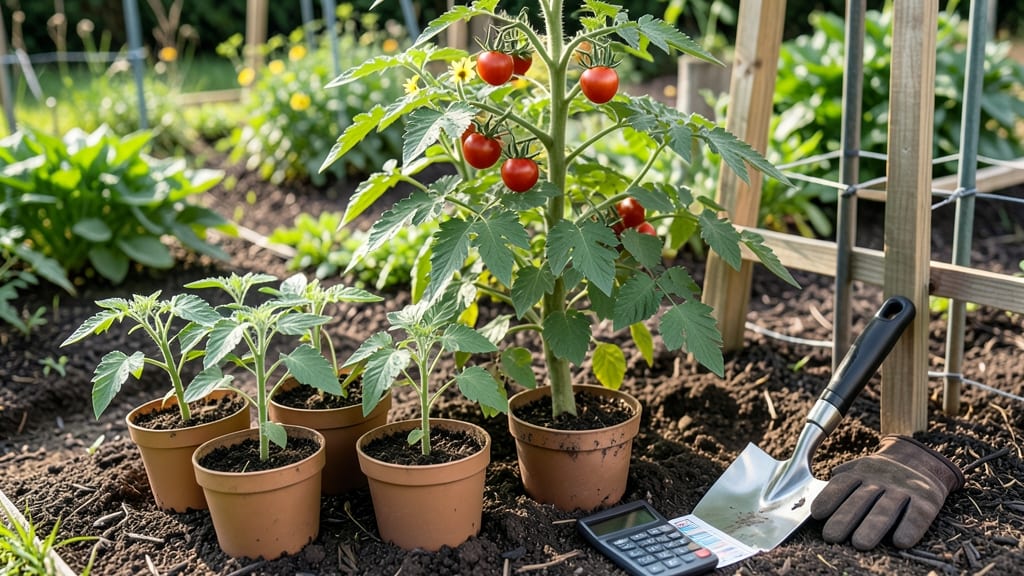
The best time to plant tomatoes in Virginia is after your last frost date, typically between mid-April and early June for USDA Zones 7a and 7b.
Virginia gardeners know timing is everything—plant tomatoes too early, and a late frost will wipe out your crop. Too late, and your harvest shrinks before summer’s peak heat. Mastering the perfect window for USDA Zones 7a and 7b can mean the difference between a bumper crop and a disappointing season.
Why does this matter? Because Virginia’s climate varies dramatically from the coastal plains to the mountains, and even a week’s delay can throw off your entire growing season. Soil temperature plays a crucial role too—waiting until it hits 60°F ensures strong root development and faster growth.
In this guide, I’ll break down the exact frost-free deadlines by zone, how to adjust for early vs. late varieties, and 5 pro tips to protect your plants from Virginia’s unpredictable weather—so you can maximize your harvest from June through October.
Virginia’s frost-free deadlines for planting tomatoes by USDA Zone 7a/7b
Timing your tomato planting in Virginia’s USDA Zones 7a and 7b hinges on two critical factors: last frost dates and soil temperature. While the average last frost typically falls around April 15 in most of Virginia, microclimates—especially in the Piedmont and Coastal Plain—can delay frost by 1-2 weeks.
Always verify with your local weather station or the Virginia Cooperative Extension for precise data.
Tomatoes thrive when soil temperatures consistently reach 50°F or higher, but optimal growth starts at 60°F+. Cold soil slows germination and stunts root development, leaving plants vulnerable to disease. Use a soil thermometer to confirm readiness—especially if your spring is unusually chilly.
In Zone 7a, this often means waiting until mid-to-late April, while Zone 7b gardeners can plant as early as early April in sheltered areas.
For a foolproof timeline, align your planting with Virginia’s historical frost-free window: April 15 to June 1. This range accounts for both early and late varieties, ensuring you can extend your harvest from July through October.
Below, I’ve broken down the key deadlines by planting method—whether you’re starting seeds indoors or transplanting seedlings—to help you maximize your yield.
🌱
If you’re planting indeterminate varieties (like 'Better Boy' or 'Sungold'), aim for the earliest deadlines—these vining plants need time to establish roots before summer heat arrives.
For determinate varieties (e.g., 'Roma' or 'Patio'), you can push deadlines slightly later, as they produce fruit in a shorter window and tolerate heat better.
To refine your timeline, check the Virginia Climate Assessment Tool or your local extension office for hyper-local data. For example, gardeners in Roanoke (Zone 7a) might wait until May 1 due to late frosts, while those in Richmond (Zone 7b) can plant by April 10.
Always have row covers on hand for unexpected cold snaps—even after the "official" last frost.
For a longer harvest, consider succession planting every 2-3 weeks from April through June. This strategy ensures a steady supply of tomatoes from July through October, even as summer heat peaks. Pair early varieties like 'Stupice' (cold-tolerant) with late-season performers like 'Mountain Merit' (heat-resistant) to cover
How to adjust planting time for early vs. late tomato varieties in Virginia
Virginia’s USDA Zones 7a and 7b offer a 165-day frost-free window, but not all tomato varieties thrive in the same conditions.
Heat-tolerant types like 'Celebrity' and 'Better Boy' need to be planted after May 1 to avoid early blight, while cooler-season varieties like 'Stupice' or 'Mountain Merit' can handle earlier starts. The key is matching your variety to the soil temperature and weather patterns in your microclimate.
For Zone 7a gardeners (e.g., Roanoke, Lynchburg), aim to plant heat-lovers like 'Arkansas Traveler' in late May when nighttime temps stay above 55°F. In Zone 7b (Richmond, Fredericksburg), you can push early varieties like 'Stupice' into the ground by mid-April if you use row covers for frost protection.
The goal? Stagger plantings to extend your harvest from June through October.
| Variety Type | Best Planting Window | Soil Temp Requirement | Harvest Peak | Staggering Tip |
|---|---|---|---|---|
| Early Varieties (Cool-Season) | Mid-April to early May | 50–55°F (use row covers) | June–July | Plant 'Stupice' first, then 'Mountain Merit' 2 weeks later. |
| Mid-Season Varieties | Late April to early June | 55–60°F (ideal for transplanting) | July–August | Add 'Better Boy' in late May for peak summer yields. |
| Late Varieties (Heat-Tolerant) | Late May to early June | 60–65°F (avoid early blight) | August–October | Plant 'Celebrity' last for fall harvests. |
To stagger plantings for continuous harvests, start with early varieties like 'Stupice' in mid-April (Zone 7b) or early May (Zone 7a). Follow up with mid-season types like 'Better Boy' in late May, then finish with heat-tolerant 'Celebrity' in early June.
This 3-phase approach ensures you’re harvesting tomatoes from June through October, even if summer heat arrives late.
Pro tip: Use black plastic mulch to warm soil faster for late plantings. This raises soil temps by 5–10°F, helping heat-loving varieties like 'Arkansas Traveler' thrive in Zone 7a’s shorter growing season.
Monitor your local Virginia Cooperative Extension frost forecasts—some years, like 2020, saw late frosts in May, delaying plantings by 2–3 weeks.
For container gardening, start seeds indoors 6–8 weeks before your last frost date (use grow lights for 12+ hours/day). Transplant seedlings into 5-gallon pots with well-draining soil once nighttime temps stay above 55°F.
Containers dry out faster, so water deeply every morning and use self-watering systems if you’re away often.
Don’t forget to prune suckers from indeterminate varieties like 'Better Boy' to focus energy on fruit production. In Zone 7a, where summers are shorter, prioritize determinate varieties like 'Mountain Merit'—they produce all their fruit at once, making them ideal for canning or early harvests.
For Zone 7b, indeterminate types like 'Celebrity' will keep producing until first frost.
With this strategic planting schedule, you’ll avoid the June slump (when early varieties fade) and the September crash (when heat stress hits late plantings). Happy gardening—your future tomato sandwiches will thank you! 🍅