
Trees
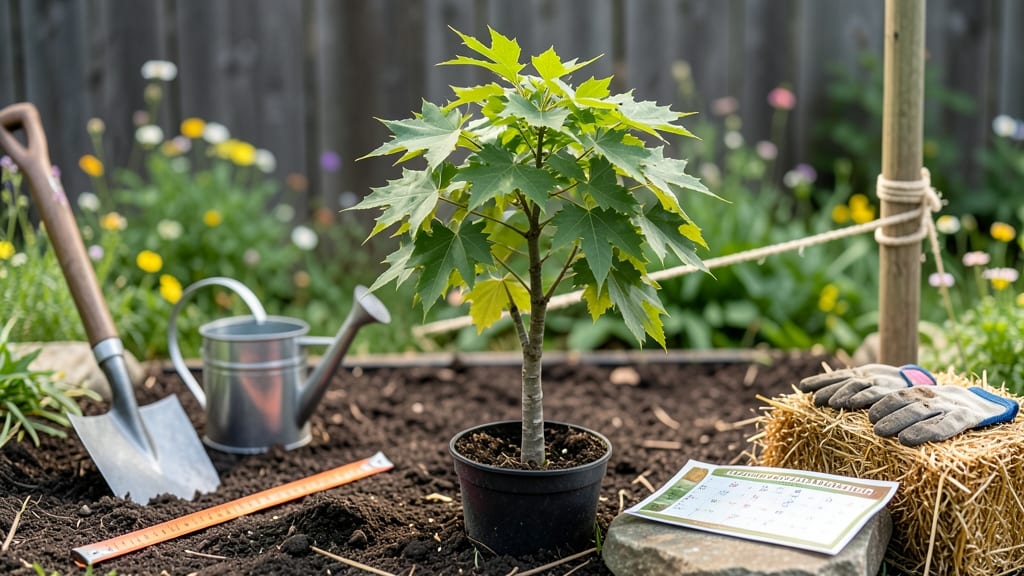
Planting trees in Ohio at the right time ensures your 🌳 thrives through the first critical year, whether you're in USDA Zone 6a or 6b.
Picture this: You've just sunk hours into digging the perfect hole, only to watch your sapling wilt under a late frost or struggle in scorching summer heat. Timing isn't just about avoiding frost dates—it's about matching your tree's needs to Ohio's unpredictable microclimates, from urban heat islands to cold valleys.
Spring planting (late March through early May) gives roots time to establish before summer heat, while fall (September to early November) lets trees harden off before winter.
But not all trees play by the same rules—fast-growing willows need a different approach than long-lived oaks, and container-grown trees have more flexibility than bare-root stock.
In this guide, I’ll break down the exact windows for your zone, the best tree species for each season, and how to adjust for Ohio’s quirks—so you can plant with confidence and skip the guesswork.
Ohio’s USDA Zone planting deadlines: when to plant trees by region
Ohio’s USDA Zones 5b-6b create distinct planting windows for trees, with spring and fall offering the best opportunities. In Zone 5b (northern Ohio), the last frost typically arrives around April 15, while Zone 6b (southern Ohio) sees frost-free conditions by March 20.
These dates mark the start of your 6-8 week spring planting window—critical for bare-root trees.
Fall planting in Ohio runs from September to early November, with Zone 5b requiring earlier action (by October 15) to avoid winter stress. In Zone 6b, you have until November 1, but soil temperatures must stay above 40°F for root establishment.
Urban areas may need adjustments due to heat islands that delay frost.
Soil temperature is your best indicator: Aim for 45-55°F for spring planting and 50-60°F in fall. Use a soil thermometer—cold soil slows root growth, while warm soil encourages rapid establishment. In northern Ohio, wait until soil warms to 50°F before planting.
Here’s your Ohio planting timeline by zone, including microclimate adjustments:
For bare-root trees, prioritize fall planting—roots establish before dormancy, giving a 30% survival advantage over spring. In Zone 5b, plant by October 15 to avoid winter desiccation.
Container-grown trees offer flexibility and can be planted anytime soil isn’t frozen, but aim for spring or early fall for best results.
Urban gardeners should account for heat islands, which can push frost dates back by 1-2 weeks. In cities like Columbus or Cincinnati, delay planting until mid-April for spring or extend fall planting to November 10.
Rural areas with cold microclimates (e.g., Appalachian foothills) may need to plant 2 weeks earlier in spring.
Always amend soil with compost before planting—Ohio’s clay-heavy soils benefit from organic matter to improve drainage. For large trees (e.g., oaks, maples), dig a wider hole than the root ball to encourage outward growth. Water deeply immediately after planting and maintain 1 inch of water weekly for the first year.
Missed the window? Container-grown trees can be planted in late spring or early summer, but expect slower establishment. Mulch heavily to retain moisture—3 inches of mulch reduces soil temperature swings by 10°F, protecting roots.
Avoid planting in extreme heat (above 90°F) to prevent transplant shock.
Pro tip: Use mycorrhizal fungi when planting—these beneficial microbes boost root growth by 40% in Ohio’s clay soils. Apply at planting time for instant root support, especially for slow-growing species like oaks or hickories.
🌳
Best trees to plant in Ohio by season: fast-growing vs. slow-maturing species
Ohio’s climate—with its hot summers, cold winters, and variable frost dates—demands smart tree selection. Fast-growing species like willow or silver maple establish quickly, while slow-maturing giants like white oak or hickory reward patience with decades of shade.
Planting at the right time minimizes transplant shock and maximizes survival rates.
Spring planting (after last frost, typically mid-April) is ideal for most trees, giving roots time to establish before winter. Fall planting (late September to early November) works for bare-root trees, allowing roots to grow before dormancy.
Evergreens like pine or spruce thrive in spring, while deciduous trees adapt to both seasons.
| Tree Type | Growth Rate | Best Planting Season | Mature Height | Transplant Shock Risk |
|---|---|---|---|---|
| Silver Maple | Fast (3-5 ft/year) | Spring or Fall | 50-75 ft | Moderate |
| White Oak | Slow (1-2 ft/year) | Fall (best for roots) | 75-100 ft | High (delicate roots) |
| Eastern Redbud | Moderate (2-3 ft/year) | Spring or Fall | 20-30 ft | Low |
| Willow | Very Fast (5-10 ft/year) | Spring (avoid fall) | 30-50 ft | Low (aggressive roots) |
| Hickory | Slow (1-2 ft/year) | Fall (bare-root) | 60-100 ft | High (taproot) |
For fast-growing trees, prioritize spring planting to capitalize on Ohio’s 60-90 day growing season. Willow and silver maple, for example, shoot up 3-5 feet annually but need moist soil to thrive. Avoid planting willows in fall—their roots struggle with winter frost before establishing.
Slow-maturing trees like white oak or hickory require fall planting for best results. Their taproots and deep root systems benefit from cooler temperatures and reduced competition. Water deeply after planting to prevent transplant shock, and mulch heavily to retain moisture.
Fruit trees (e.g., apple or pear) need full sun and well-draining soil. Plant them in early spring to ensure they bear fruit within 3-5 years. Prune young branches to encourage strong canopy growth and avoid overcrowding, which invites pests.
To minimize transplant shock, amend soil with compost and organic matter before planting. Stake young trees only if necessary—over-staking can restrict root growth. Monitor for pests like emerald ash borers or diseases like oak wilt, especially in stressed trees.
With the right timing and care, your Ohio tree will thrive for decades—whether it’s a quick shade provider or a century-old giant. Start with the right species for your yard’s conditions, and watch your landscape transform! 🌳