
Plants
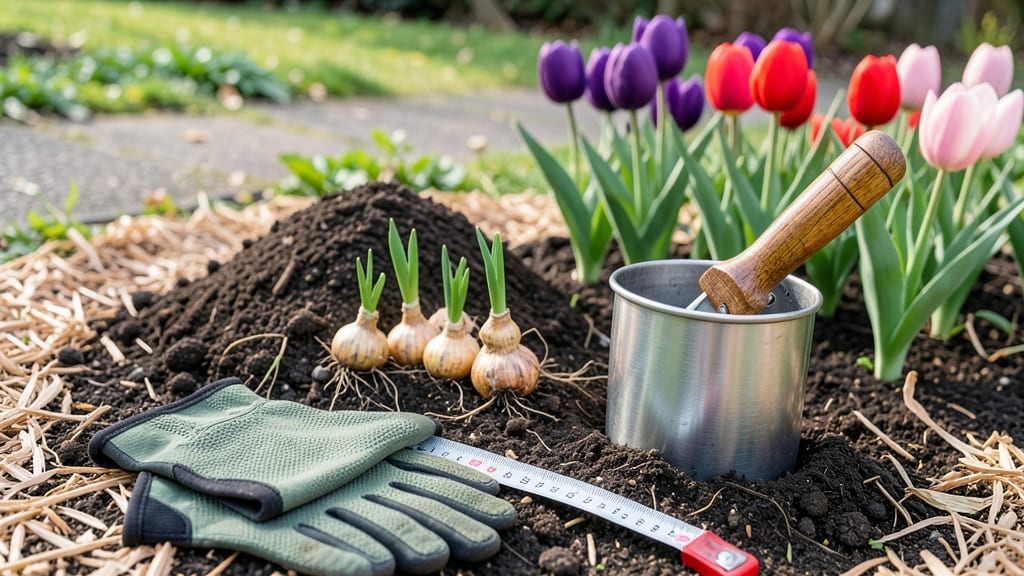
Planting tulips in Dallas at the right time ensures vibrant 🌷 blooms from February to April, but the window is narrow—miss it, and your bulbs may rot or fail to flower.
Dallas gardeners know timing is everything—plant tulip bulbs too early, and they’ll rot; too late, and they won’t bloom in time for spring’s showstopper display. Get it right, and you’ll enjoy vibrant colors from February to April.
In USDA Zone 8a, the ideal window is early October to mid-November, when soil temperatures drop but before the first frost hits. This gives bulbs time to root deeply before winter dormancy.
Below, I’ll walk you through the exact dates, soil prep tips, and how to adjust for Dallas’s unpredictable weather—so you’re not left with bare stems next spring.
Best planting window for tulips in Dallas (USDA Zone 8a)
Dallas’s USDA Zone 8a climate creates a unique challenge for tulip growers. Unlike northern regions, our mild winters and hot summers demand precise timing. Plant too early, and bulbs may rot in warm soil; too late, and they won’t establish roots before winter dormancy.
The ideal window balances these extremes, ensuring vibrant spring blooms from February to April.
For Dallas gardeners, the sweet spot is between early October and mid-November. This aligns with when soil temperatures drop to 50-60°F—perfect for root development before ground freezes.
However, Dallas’s unpredictable weather patterns often require adjustments. A late October freeze or an unusually warm November can throw off your timing, so flexibility is key.
Here’s the golden rule: plant 4-6 weeks before your first expected frost. In Dallas, this typically falls between October 15 and November 15, but always check your local frost date.
For example, if your area tends to freeze by December 1, aim to plant by October 25 to give roots time to establish.
| Planting Window | Soil Temp Threshold | Dallas Adjustments | Action Steps |
|---|---|---|---|
| Early October | 60-70°F | Early freeze risk | Plant deeper (8") for insulation |
| Mid-October | 50-60°F | Optimal timing | Standard depth (6-8") with mulch |
| Late October | 40-50°F | Late warm spells | Use shade cloth if soil stays warm |
| Early November | 35-45°F | Mild winter risk | Add extra mulch (3-4") |
| Mid-November | Below 40°F | Last chance | Plant shallow (6") with heavy mulch |
Dallas’s soil temperature is your best guide. Use a soil thermometer to confirm when temps drop below 60°F. If your soil stays warm past November 15, delay planting until temperatures consistently dip.
For example, in 2023’s mild winter, many Dallas gardeners successfully planted as late as December 1—but only with heavy mulching and shade protection.
Another critical factor is bulb quality. Choose large, firm bulbs (size 12 or larger) from reputable suppliers. Smaller bulbs may not bloom reliably in Dallas’s heat. Plant them 6-8 inches deep, with the pointy end up, and space them 4-6 inches apart.
This depth helps insulate bulbs from temperature swings and prevents them from drying out.
If you miss the ideal window, don’t panic. Tulips can tolerate late fall planting in Dallas, but success depends on soil conditions. Plant no later than December 15, using extra mulch (4-6 inches) to protect bulbs from freeze-thaw cycles.
Water deeply after planting to encourage root growth before winter sets in. In mild winters, like Dallas’s occasional Zone 9-like spells, bulbs may even sprout early—just be prepared to protect them with frost cloth.
Pro tip: Mark your planting date and track soil temps using a free app like PlantNet. Dallas’s microclimates can vary by neighborhood—your yard might be 5°F warmer than your neighbor’s, affecting bulb development.
For example, North Dallas tends to cool faster than South Dallas, so adjust your timing accordingly.
Finally, fertilize lightly in spring (after foliage emerges) to encourage blooming. Avoid fall fertilization, as it can stimulate early top growth that may freeze. Instead, focus on well-draining soil and consistent moisture during the root-establishment phase (October-November).
With the right timing, your tulips will reward you with bold, early spring color—a true Dallas garden highlight.
🌷
How to adjust tulip planting for Dallas’s unpredictable weather
Dallas’s unpredictable weather can throw off even the most experienced gardener’s timing. One week of unseasonable warmth in November might trick you into thinking winter’s delayed, while a sudden freeze in December can damage newly planted bulbs.
The key is flexibility—adjusting your approach based on real-time conditions rather than relying on a fixed calendar.
I’ve planted tulips here for years, and the difference between a showstopping spring display and a disappointing failure often comes down to how I respond to weather shifts.
For example, last year’s late October warmth had me digging bulbs deeper than usual to protect them from an unexpected frost in early November. This section covers how to stay ahead of Dallas’s whims.
Start by monitoring soil temperatures—they’re your best early warning system. Use a soil thermometer to check when temps consistently drop below 60°F (15°C).
This usually signals it’s safe to plant, but if your area experiences a late warm spell, delay planting until temps stabilize for at least 5-7 days. Bulbs need time to root before winter sets in.
Here’s the critical adjustment: if you’re planting in late November or December due to mild weather, choose smaller bulbs (like Darwin Hybrid or Fosteriana) that establish roots faster. These varieties handle shorter growing seasons better than delicate Parrot tulips, which need more time to bloom.
If a hard freeze (below 28°F/-2°C) is forecast within 2 weeks of planting, take these steps immediately:
- Mulch heavily with 4-6 inches of straw or pine straw—this insulates bulbs and prevents soil heaving.
- Water deeply before the freeze to encourage root growth and reduce stress.
- Avoid planting if soil temps are below 50°F (10°C)—bulbs won’t root properly.
Pro tip: Use a frost cloth over newly planted beds if a freeze is imminent—it buys you critical time for roots to establish.
For soil moisture fluctuations, Dallas’s clay-heavy soil can become either waterlogged or bone-dry overnight. Amend your beds with compost or sand to improve drainage, and plant bulbs in raised beds if your yard floods easily.
After planting, apply a 2-inch layer of mulch to retain moisture and regulate soil temps—this is especially crucial in spring when bulbs need consistent hydration to push up shoots.
If you miss the ideal window and must plant in January or February, focus on container growing. Use well-draining pots filled with a mix of potting soil and perlite, and place them in a south-facing location for maximum warmth.
Water lightly but frequently—these bulbs won’t have time to establish deep roots, so keep the soil evenly moist until foliage appears.
Finally, if your tulips fail to bloom next spring, don’t assume they’re dead. Many bulbs take 2-3 years to reach full maturity in Dallas’s climate. Next year, fertilize lightly in early spring (when foliage emerges) with a 5-10-10 formula to encourage stronger blooms.
And remember: the healthier the foliage, the bigger next year’s flowers will be.