
Companion Plants
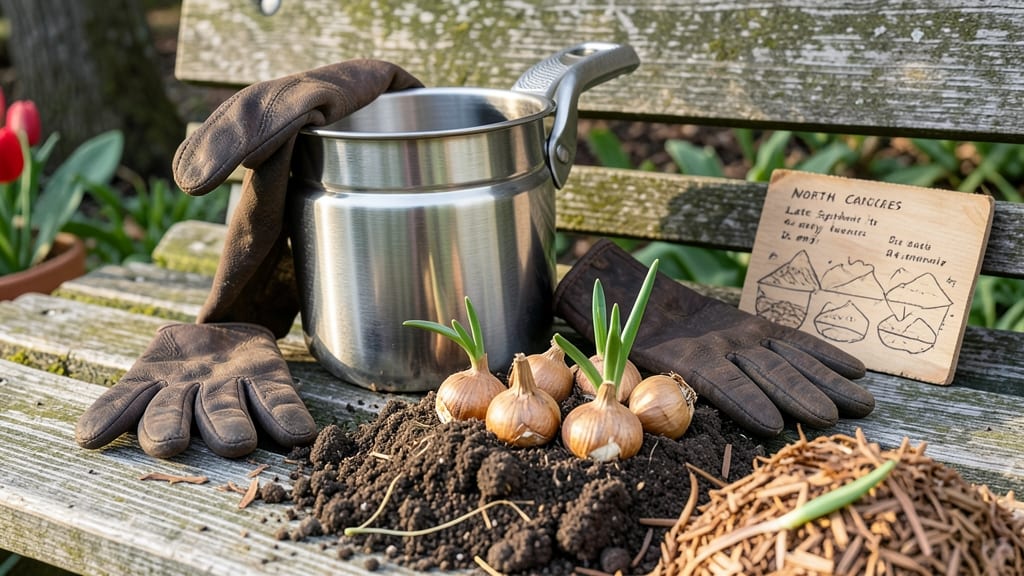
Planting tulips in North Carolina at the right time ensures vibrant blooms next spring 🌷 — aim for October to November when chill hours build naturally.
North Carolina gardeners know timing is everything—plant tulips too early, and they’ll rot; too late, and you’ll miss the magic of spring blooms. But with the right chill-hour strategy, you can transform your yard into a vibrant tulip paradise every year.
This isn’t just about avoiding frost—it’s about matching your region’s 5,000–10,000 chill hours to the bulbs’ needs. The Piedmont and Coastal Plain have different windows, and even a two-week shift can mean the difference between showstopping blooms and disappointment.
Below, I’ll walk you through the exact planting windows for your zone, soil prep tricks to protect bulbs from NC’s unpredictable winters, and how to adjust for early thaws or late frosts—so you’re ready for perfect spring color.
North Carolina tulip planting timeline by chill-hours zones
Timing your tulip planting in North Carolina isn’t just about the calendar—it’s about chill-hours, the accumulated hours below 45°F that bulbs need to bloom.
With NC’s hardiness zones 6-8 and microclimates ranging from the Piedmont’s cooler winters to the Coastal Plain’s milder temperatures, your planting window can shift by weeks. I’ll break down the exact fall planting windows for each chill-hour zone so you can maximize spring blooms.
North Carolina’s chill-hour requirements for tulips typically range from 5,000 to 10,000 hours, depending on the variety. The Piedmont region (zones 7a-7b) usually accumulates more chill hours faster than the Coastal Plain (zones 8a-8b).
For example, Asheville’s 7,500+ chill hours allow for a later planting window compared to Wilmington’s 5,000-6,000 chill hours, which demands earlier action.
Here’s the critical rule: Plant tulip bulbs 6-8 weeks before the ground freezes in your area. In most of NC, this means October through mid-November, but microclimates—like sheltered garden spots or urban heat islands—can shift this by 2-3 weeks.
For instance, Raleigh’s chill accumulation often peaks by early November, while Charlotte’s urban heat might delay frost until December.
The Coastal Plain (zones 8a-8b) has the shortest window. Gardeners in New Bern or Wilmington should plant by mid-October to ensure bulbs get enough chill before winter. Meanwhile, Mountain regions like Boone (zone 6b) can plant as late as mid-November thanks to earlier frosts and higher chill-hour accumulation.
If you’re in a transition zone like the Sandhills or foothills, pay attention to local frost dates. For example, Pinehurst’s sandy soil warms up faster in spring, so bulbs planted in late October still have time to establish roots before winter.
Conversely, urban Raleigh’s heat islands can delay frost, so I recommend planting by early October to avoid bulb rot from prolonged warmth.
For gardeners in zone 8b (e.g., Wilmington or Morehead City), where winters are mild, tulips may not get enough chill hours naturally. In these areas, I suggest pre-chilling bulbs for 8–10 weeks in a refrigerator before planting in late September.
This mimics the 5,000+ chill hours they need to bloom reliably.
Don’t overlook microclimates within your yard. A north-facing garden bed stays cooler and may allow for a 2-week later planting than a south-facing area. Similarly, elevated beds or sloped landscapes can experience frost 1–2 weeks earlier than low-lying spots.
Use a frost calendar from your local Cooperative Extension office to fine-tune your timing.
Once you’ve planted, mark your
How to prep tulip bulbs for North Carolina’s unpredictable winters
North Carolina’s winters can swing from mild coastal breezes to freezing Piedmont nights, making bulb prep a game-changer for tulip success. The key is mimicking nature’s chill cycle—bulbs need 12–16 weeks of cold to bloom reliably. Without proper prep, you risk rotten bulbs or no flowers next spring.
I’ve learned the hard way that simply tossing bulbs into the ground isn’t enough. NC’s early thaws and clay-heavy soils demand extra care. Here’s how to give your tulips the best shot at surviving winter and bursting into color in April.
Step-by-Step Tulip Bulb Prep for NC Winters
-
Step 1: Cure Bulbs for 2 Weeks
Before planting, let bulbs air-dry in a cool, dark spot (like a garage) for 2 weeks. This hardens their skins and prevents rot from wet NC soils. -
Step 2: Chill Bulbs (If Needed)
For Coastal NC (warmer winters), chill bulbs in a refrigerator for 8–10 weeks (set to 35–40°F) to meet their chill-hour needs. -
Step 3: Test Soil Drainage
NC’s clay soils can drown bulbs. Dig a 6-inch hole, fill with water, and drain. If water pools after 6 hours, amend with sand or compost to improve drainage. -
Step 4: Plant at Correct Depth
Bury bulbs 6–8 inches deep (twice their height) in well-draining soil. Use a trowel to avoid disturbing roots—tulips hate being moved! -
Step 5: Mulch for Insulation
Top with 4–6 inches of straw or shredded leaves after planting. This traps heat in Piedmont zones while allowing moisture to escape in Coastal areas. -
Step 6: Adjust for Early Thaws
If temps rise above 50°F before spring, shield bulbs with a lightweight frost blanket to prevent premature sprouting. Remove it by mid-March to avoid overheating.
Don’t skip the soil prep—I once planted tulips in my backyard’s heavy clay without amending it, and half rotted by winter. Since then, I’ve sworn by mixing in compost and perlite to keep bulbs happy. Even a 10% improvement in drainage makes a difference.
For Piedmont gardeners, focus on mulching deeply to protect bulbs from freeze-thaw cycles. In Coastal NC, prioritize chilling bulbs and planting slightly later (early December) to avoid mild winter rot
With these steps, your tulips will survive NC’s wild winters and reward you with bold, early spring blooms—no matter where you garden in the state. 🌷