
Plants
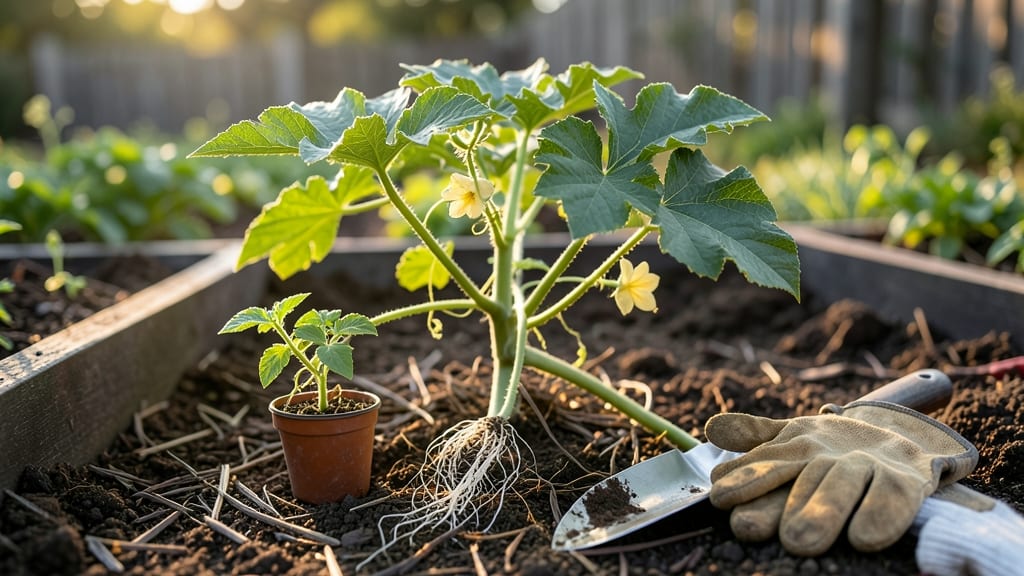
Planting watermelon in Central Texas means timing it right for soil that’s at least 70°F and frost-free, or you’ll waste seeds or stunted vines.
Central Texas gardeners know timing is everything—plant too early, and frost will kill your crop; too late, and the scorching summer heat will stunt growth. Mastering the perfect soil temperature window can mean the difference between a bountiful harvest and wasted seeds.
Most gardeners in USDA Zones 8a-8b should wait until mid-April for spring plantings, but soil thermometers reveal the truth: 75°F+ is when those seeds finally wake up and germinate fast. A late-July fall crop is also possible, but only if you’re ready to fight the heat.
Below, I’ll show you how to read your soil’s temperature cues, adjust for microclimates (like urban heat islands vs. rural areas), and use mulch or row covers to cheat the clock for faster germination and bigger melons.
Central Texas watermelon planting calendar: exact soil temperature triggers for germination
Watermelons thrive in Central Texas's heat, but getting them started at the right time is critical. The soil temperature must reach at least 75°F (24°C) for optimal germination. Below this threshold, seeds may rot or fail to sprout, wasting your time and resources.
I’ve planted watermelons for years in USDA Zone 8a-8b, and I’ve learned that precision matters—especially with our unpredictable spring weather.
Most Central Texas gardeners aim for planting between mid-April and early May, but this varies based on your exact location. For example, areas like Austin and San Antonio often see last frost dates around March 15, while Waco can be a week later.
Always check your local frost-free date and wait until the soil warms up naturally. Rushing can lead to stunted plants or even death if a late frost hits.
| Stage | Soil Temp (°F) | Action | Notes |
|---|---|---|---|
| Pre-Planting | Below 60°F | Wait | Seeds won’t germinate; risk of rot |
| Ideal Germination | 75°F–90°F | Plant seeds | Best window for fast sprouting |
| Post-Germination | Above 80°F | Monitor heat stress | Mulch to retain moisture |
| Late Planting | Below 70°F | Use row covers | Extend growing season |
A soil thermometer is your best friend for nailing the perfect planting time. Stick it in the ground about 2 inches deep in the morning and check the reading. If it’s consistently 75°F or higher for at least 3 days, it’s time to plant.
I use a digital soil thermometer because it’s accurate and easy to read. For most of Central Texas, this usually happens between late April and early May, but don’t be surprised if it’s earlier in urban areas like San Antonio due to the urban heat island effect.
If you’re planting in containers, the soil will warm up faster than in-ground beds, especially if they’re placed in full sun. I’ve had success with container-grown watermelons in black fabric pots, which absorb heat and warm up quicker.
Just make sure your containers are at least 12 inches deep to accommodate the roots. Smaller pots will restrict growth and reduce yields.
For those who want a second harvest, consider a late summer planting around mid-July. This works well in Central Texas because the soil stays warm long enough for the plants to mature before the first frost in November.
However, be prepared to provide extra shade cloth during the hottest part of the summer to protect young plants from heat stress. I’ve seen watermelon seedlings wilt dramatically in 100°F+ temperatures if they’re not acclimated properly.
Once your seeds sprout, keep the soil consistently moist but not soggy. Watermelons need 1-2 inches of water per week, but they’re particularly sensitive to overwatering during germination. Too much moisture can cause seed rot or fungal diseases like damping off.
I use a drip irrigation system to deliver water directly to the roots and avoid wetting the leaves, which helps prevent disease. Mulching with straw or black plastic also helps retain moisture and keep the soil warm.
Pro tip: If you’re in a cooler microclimate, like the Hill Country, you might need to wait until mid-May for the soil to warm up.
Conversely, in urban heat islands, you could start as early as late March if you’re using row covers or a cold frame to protect seedlings. Always tailor your approach to your specific location—what works in Austin might not work in Lubbock.
Finally, choose heat-tolerant varieties like 'Sugar Baby' or 'Crimson Sweet' for Central Texas. These varieties handle our intense summers better than others. I’ve also found that direct sowing seeds in the garden (rather than starting indoors) gives them a better chance to thrive in our climate.
Transplants can struggle with the shock of moving from controlled indoor conditions to the harsh Central Texas sun.
Timing your watermelon planting isn’t just about avoiding frost—it’s about giving your plants the best possible start in our unique climate. With the right soil temperature, watering routine, and variety selection, you’ll be enjoying juicy, homegrown watermelons in no time. 🍉
How to adjust planting time for Central Texas microclimates (urban vs. rural)
Central Texas isn’t one-size-fits-all when it comes to planting watermelon. Urban areas like Austin and San Antonio often experience heat islands that warm soil faster, while rural spots in the Hill Country stay cooler longer. This means your neighbor’s perfect timing might be too late—or too early—for your garden.
In urban heat islands, concrete and asphalt trap heat, raising soil temperatures by 5-10°F compared to rural areas. This lets you start sowing watermelon seeds 2-3 weeks earlier—as soon as late March—while rural gardeners should wait until mid-April to avoid frost risk.
A soil thermometer is your best friend here to confirm 75°F+ soil temps before planting.
Urban vs. Rural Planting Adjustments
Urban Heat Islands
- Pro: Warmer soil = earlier planting (late March)
- Pro: Faster germination in 75°F+ soil
- Con: Higher risk of heat stress on young plants
- Con: More pests (aphids, cucumber beetles)
Rural Areas
- Pro: Cooler soil = delayed planting (mid-April)
- Pro: Lower pest pressure early in season
- Con: Later start = shorter growing season
- Con: Frost risk if planting too early
To extend your growing season in either microclimate, use row covers or cold frames for early starts. These can add 2-3 weeks of protection against late frosts in rural areas or help young plants survive urban heat spikes. Just remove covers once vines hit 6 inches tall to prevent overheating.
For late-season heat stress, focus on shade cloth (30-50% coverage) during peak afternoon sun. Watermelons planted in July-August for fall harvests need extra care—mulch with straw or black plastic to retain moisture and cool roots. Varieties like 'Sugar Baby' handle heat better than 'Crimson Sweet', so choose wisely.
Monitor your garden’s microclimate by checking soil temps at 10 AM for 3 days in a row. If urban soil hits 80°F+ by late March, it’s time to plant.
Rural gardeners should wait until soil consistently stays above 75°F for a week. This precision pays off with faster germination and stronger vines.
Don’t let microclimates stress you—adjust your planting window by 1-2 weeks based on your location. With the right tools and timing, even Central Texas’s extremes can yield juicy, homegrown watermelons from spring to fall. 🍉