
Companion Plants
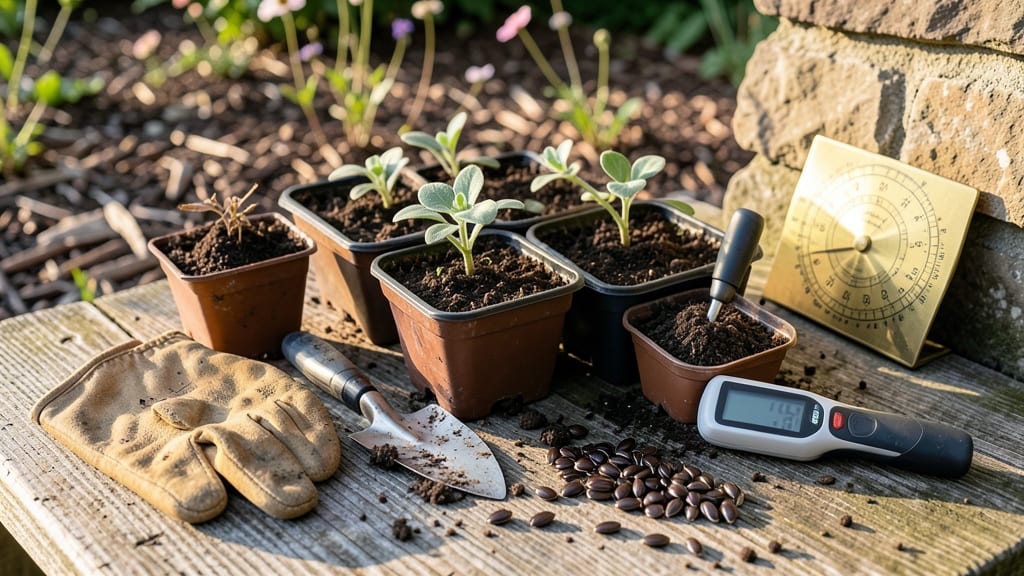
Planting zinnia seeds in Missouri after the last frost date — around mid-April in most zones — is your ticket to a summer of vibrant blooms 🌼.
Missouri gardeners know timing is everything—and planting zinnias at the wrong time can mean wilted dreams before they even bloom. Get the exact frost-free window for Missouri’s diverse climate zones to ensure your zinnia seeds thrive from seedling to showstopping flower.
Whether you’re starting seeds indoors or sowing directly outdoors, soil temperature matters most. Aim for 60°F or warmer to avoid cold-soaked seeds that rot before sprouting.
Below, I’ll break down the ideal planting window by region, how to extend your blooming season, and the three biggest mistakes Missouri gardeners make when planting zinnias.
Missouri zinnia planting timeline by last frost date
Zinnias are Missouri gardeners' favorite for their vibrant blooms and easy care—but timing is everything. Plant too early and frost will kill tender seedlings, while delaying too long means missed summer color.
Missouri's USDA zones 5b-7a create a 3-4 week window between frost-free dates across regions, so let's pinpoint the perfect time for your location.
Your last frost date determines when to start seeds indoors or sow directly outdoors.
In St. Louis (Zone 6b), the average last frost is April 15, while Kansas City (Zone 6a) sees frost until April 20. Springfield (Zone 6b) and rural areas like Columbia (Zone 6a) typically reach frost-free conditions by April 10-15.
These dates create your 6-8 week planting window for zinnias.
Zinnias thrive when soil temperatures reach 60°F (15°C)—warmer than most spring soils. Northern Missouri gardeners (Zone 5b) should wait until May 1 for direct sowing, while southern regions (Zone 7a) can start as early as April 1. This temperature threshold prevents seed rot and ensures strong germination.
Here’s your customized Missouri zinnia planting timeline based on frost dates and soil conditions:
| Region | Last Frost Date | Indoor Start (Weeks Before Frost) | Direct Sow Outdoors | Soil Temp for Germination |
|---|---|---|---|---|
| Northern MO (Zone 5b) | April 25 | March 15-April 10 | May 1-June 1 | 60°F+ (after May 1) |
| St. Louis (Zone 6b) | April 15 | February 28-March 20 | April 15-May 15 | 60°F+ (after April 1) |
| Kansas City (Zone 6a) | April 20 | March 1-March 15 | April 20-May 10 | 60°F+ (after April 10) |
| Springfield (Zone 6b) | April 10 | February 15-March 10 | April 1-April 30 | 60°F+ (after March 25) |
| Southern MO (Zone 7a) | March 20 | January 15-February 10 | March 15-June 1 | 60°F+ (after March 1) |
For maximum bloom potential, I recommend starting seeds indoors 4-6 weeks before your last frost date. Use biodegradable pots to avoid transplant shock when moving seedlings outdoors. Southern Missouri gardeners can even start seeds as early as January for a head start on summer color.
Direct sowing outdoors works best when soil temperatures consistently stay above 60°F (15°C). Use a soil thermometer to check—zinnias won’t germinate well in cooler soils. Missouri’s April nights can still dip below freezing, so wait until May 1 in northern regions before direct sowing for safety.
Zinnias are fast growers, typically reaching 6 inches tall in 3-4 weeks from seed.
This means you can sow successive batches every 2 weeks from April through June to enjoy continuous blooms until frost. Late summer plantings (July) will still produce flowers before Missouri’s first frost in October.
Pro tip: Mulch around zinnias after planting to keep soil warm and retain moisture. A 2-inch layer of straw helps regulate soil temperature, which is especially helpful in Missouri’s unpredictable spring weather. This simple step can extend your planting window by 1-2 weeks in cooler zones.
Remember, zinnias are heat-loving annuals that thrive in Missouri’s summer sun. By following this timeline, you’ll ensure your zinnias bloom from July through October, giving you 3-4 months of vibrant color—just in time for fall festivals and holiday arrangements.
How to extend your zinnia blooming season in Missouri
Missouri’s hot summers and unpredictable fall weather can cut short your zinnia season if you don’t plan ahead. The key to continuous blooms? Succession planting and selecting heat-tolerant varieties that thrive in Missouri’s 90°F+ temperatures.
With the right approach, you can enjoy zinnias from early July through October—or even later with protection.
Start by choosing fast-growing varieties like 'Benary’s Giant' or 'Profusion Yellow' that mature in just 45-50 days. These are perfect for succession sowing every 2-3 weeks after your initial planting. Even if early plantings bolt in the heat, later sowings will keep your garden vibrant until frost.
Here’s how to maximize your blooming window with proven techniques:
- 📅 Start seeds indoors 4-6 weeks before last frost (early March) using grow lights to avoid leggy seedlings. Transplant outdoors when soil hits 60°F.
- 🌡️ Use shade cloth (30-50%) during 95°F+ heatwaves to prevent bolting. Remove when temps drop below 85°F.
- 🌱 Sow new seeds every 2 weeks from May through July. This creates a rolling bloom display until frost.
- ✂️ Deadhead spent blooms weekly to encourage continuous flowering. Snip stems just above the 5th leaf for bushier growth.
- 🛡️ Protect late-season plants with row covers when night temps dip below 50°F to extend blooms into October.
For Missouri’s humid summers, prioritize disease-resistant varieties like 'Zahara' or 'Crystal' that handle moisture better than traditional zinnias. Pair them with good air circulation by spacing plants 12-18 inches apart to prevent powdery mildew.
Don’t forget to water deeply in the morning to reduce fungal risks. Zinnias are drought-tolerant once established, but consistent moisture during bud formation ensures larger, showier blooms. A 2-inch layer of mulch helps retain soil moisture and keeps roots cool.
With these techniques, you’ll turn Missouri’s short growing season into a long, colorful display—from early summer heatwaves through crisp fall mornings. The secret? Plan ahead, protect your plants, and keep sowing—your garden will thank you with nonstop blooms 🌼.