
Plants
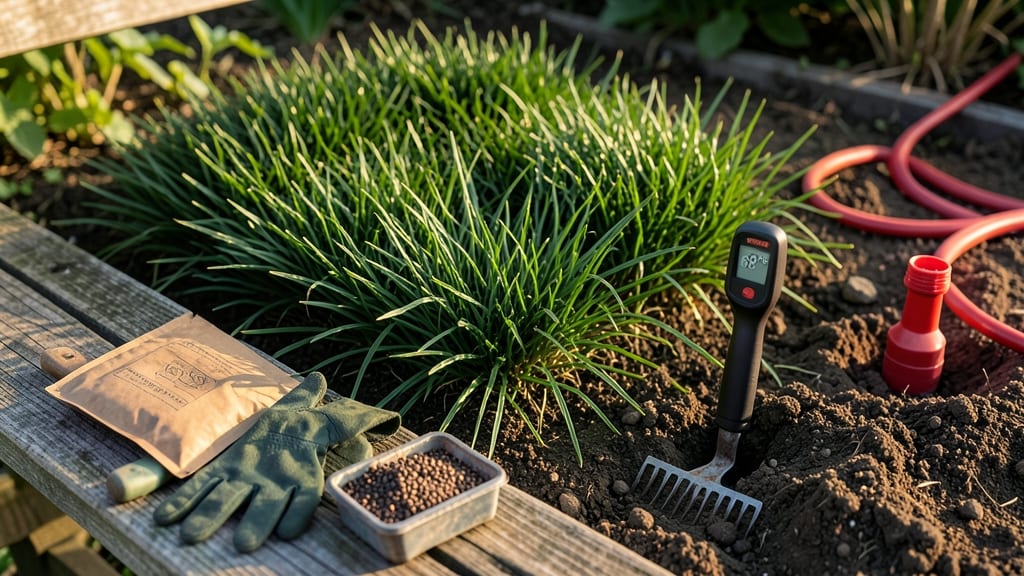
Planting Zoysia grass seed in Texas after the last frost and when soil hits 65°F ensures thick, heat-loving turf that thrives in 8a-11 zones.
Timing your Zoysia grass seed planting in Texas can mean the difference between lush, drought-resistant turf and wasted effort—get it wrong, and you’ll fight weeds or frost damage all season.
North Texas needs to wait until late April or May, while South Texas can start as early as mid-March, but the real secret is soil temperature, not just the calendar.
Below, I break down the exact frost-free deadlines by zone, how to test soil warmth, and the one mistake that kills germination before it starts.
Texas Zoysia grass planting deadlines by hardiness Zone (soil temp & frost risk)
Timing your Zoysia grass seed planting in Texas is all about balancing soil temperatures and frost risks. Zoysia thrives when soil stays above 65°F—plant too early, and you’ll face slow germination or frost damage.
Too late, and summer heat stresses young seedlings. Let’s break down the critical windows for Texas hardiness zones 7-10, where frost dates and soil warmth vary dramatically.
North Texas (Zones 7-8) has later last frost dates (mid-February to early March), while South Texas (Zones 9-10) rarely sees frost. This means your ideal planting window shifts from late April to June in the north to March to May in the south.
The key? Wait until the soil consistently hits 65°F+—use a soil thermometer to confirm before seeding.
Here’s the non-negotiable rule: Never plant Zoysia when nighttime temps dip below 55°F. Young grass won’t survive frost, and even a light freeze can stunt growth for weeks.
In Zone 8, that means holding off until mid-May; in Zone 10, you can start as early as February—but only if soil is warm enough.
🌱
| Texas Zone | Last Frost Date | Ideal Planting Window | Soil Temp Threshold | Risk of Early Planting |
|---|---|---|---|---|
| Zone 7 (North TX) | Feb 15 - Mar 1 | Late April - Early June | 65°F+ (consistent) | Frost damage, slow germination |
| Zone 8 (Central TX) | Jan 15 - Feb 15 | Mid-April - June | 65°F+ (consistent) | Weed competition, heat stress |
| Zone 9 (South TX) | Dec 1 - Jan 15 | March - May | 60°F+ (minimum) | Pests (chinch bugs), fungal risk |
| Zone 10 (Deep South TX) | None (rare frost) | February - April | 55°F+ (minimum) | Heat stress if planted late |
If you’re in Zone 7 or 8 and miss the spring window, don’t panic—you can still plant Zoysia seed in late summer (August), but time it so seedlings establish before first frost.
Aim for 6-8 weeks of growth before temps drop below 50°F at night. In Zones 9-10, late summer planting is riskier due to chinch bug infestations and fungal diseases from humidity.
Pro tip: Use a soil thermometer for 3-5 days to confirm warmth. Stick it 2 inches deep—that’s where seeds will germinate.
If temps fluctuate below 65°F at night, delay planting. Zoysia seed won’t germinate in cold soil, and you’ll waste money on seeds that rot or get outcompeted by weeds.
For North Texas gardeners, mark your calendar for May 1st—that’s your last safe planting date to avoid frost. If you plant after June 1st, seedlings may struggle with summer heat stress and require extra watering.
In South Texas, the sweet spot is March-April, when soil warms but humidity hasn’t peaked yet.
🌿
One common mistake? Planting too late and expecting Zoysia to fill in before winter. Zoysia grows slowly—it takes 4-6 weeks just to germinate, and another 3-4 months to establish a dense lawn.
If you plant in July, your grass may still be patchy by fall, leaving gaps for weeds. Plan ahead: Start seeds 8-10 weeks before your first expected frost to give them time to root.
Finally, adjust for microclimates. A shaded yard stays cooler longer, so you might plant 2-3 weeks earlier than sunny areas. Conversely, south-facing slopes heat up faster—wait until soil hits 70°F+ before seeding. Use these guidelines as a starting point, then trust
How to check soil temperature & prepare beds for Zoysia seed success
Before planting Zoysia grass seed in Texas, you must confirm your soil temperature is ideal for germination. Zoysia thrives when soil stays above 65°F consistently, but cooler temperatures slow growth or trigger fungal risks.
I’ve learned the hard way—planting too early in North Texas (Zone 8a) can mean seed rotting before sprouting, while South Texas (Zone 9a+) may need shade protection if you wait too long.
Start by testing your soil’s warmth using a soil thermometer (available for under $10). Insert it 2-3 inches deep—this mimics the seed’s planting depth—and check readings at 10 AM and 4 PM for 3 days.
If temps dip below 65°F at night, delay planting. Pro tip: Morning readings are often 5–10°F cooler than afternoon temps, so prioritize evening checks.
Once your soil passes the 65°F threshold, prep your bed by removing all debris and weeds. Zoysia seeds need direct contact with soil to germinate, so till the area to a 4-inch depth using a rototiller or hand fork.
Loosen compacted soil gently—over-tilling can bury seeds too deep, stunting growth. For sandy soils common in East Texas, mix in compost to improve moisture retention.
🌱
⚠️ Critical Texas Mistake: Planting Zoysia Too Deep or Too Early
North Texas (Zones 7b-8a): Wait until mid-April to May—planting in March risks frost damage (even late frosts can kill young seedlings). South Texas (Zones 9a-10a): March is safe, but avoid June planting due to intense heat stress during germination.
Depth Danger: Burying seeds deeper than ¼ inch reduces germination by 50%+. Use a light rake to cover seeds—never a heavy tiller.
Adjust your soil pH to 6.0–7.0 using lime (to raise pH) or sulfur (to lower it). Test with a soil pH kit—Texas soils often lean alkaline, which can inhibit nutrient uptake. After amending, level the bed with a garden rake to create a smooth surface.
Press seeds lightly into the soil (they’re tiny—0.02 inches long!) and cover with a thin layer of peat moss to retain moisture without suffocating sprouts.
Water immediately after planting with a gentle sprinkler to avoid displacing seeds. Keep the soil consistently moist (not soggy) until germination, which takes 14–21 days in ideal conditions. In West Texas, mulch with straw to prevent evaporation—this is non-negotiable if your area gets 100°F+ temps.
Finally, avoid fertilizing for 6–8 weeks post-planting. Young Zoysia roots are sensitive to high nitrogen, which can burn tender seedlings. Instead, use a starter fertilizer with low nitrogen (5-10-10 ratio) at half strength. This balances growth without shocking the new grass.
☀️