
Plants
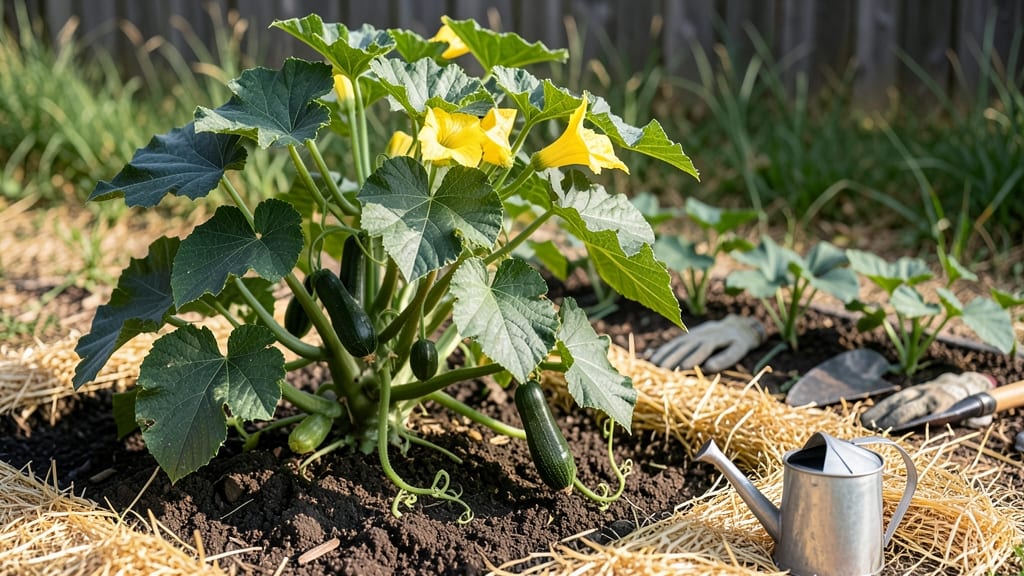
Planting zucchini in Utah after the last frost date—typically late April to early May—sets the stage for a bumper harvest, but timing is everything in the Beehive State’s shifting microclimates.
Utah’s dramatic temperature swings and high-altitude zones can turn zucchini planting into a high-stakes guessing game—get it wrong, and your harvest might never materialize. But with the right timing, even Utah’s shortest growing seasons can yield bushels of summer squash 🎃.
Salt Lake City’s 6b zone demands patience, while St. George’s 8a heat lets you start earlier. Soil temperature matters just as much as frost dates, and black plastic mulch can shave weeks off the wait in cooler valleys.
Here’s how to pinpoint the perfect window for your elevation, plus three proven tricks to stretch Utah’s growing season and avoid common pitfalls like stunted plants or blossom-end rot.
Utah zucchini planting dates by elevation zone (with frost risk charts)
Utah’s three distinct elevation zones create wildly different planting conditions for zucchini. Low desert areas like St. George can start as early as mid-March, while high mountain regions near Park City may need to wait until mid-June.
Getting these dates wrong means either frost-killed seedlings or plants struggling to mature before winter. Let’s break down the perfect planting windows for each zone, plus how to adjust for your specific Utah microclimate.
Your zucchini’s success hinges on two critical factors: soil temperature (must reach 60°F+) and frost risk. Utah’s frost-free season ranges from 165 days in the mountains to 240 days in the desert.
Use these guidelines to align your planting with your local last frost date—plus a bonus tip for using black plastic mulch to warm soil faster in cooler areas.
Below is a comparison table showing exact planting windows for Utah’s three elevation zones, including Salt Lake City (mid-altitude), St. George (low desert), and Park City (high mountains).
Each zone has unique frost risk charts and soil temperature thresholds you must follow to avoid common mistakes like stunted growth or failed germination.
For St. George gardeners, the low desert’s early start means you can even try a fall planting in late July for a second harvest before frost. Just be prepared for intense summer heat—drip irrigation and afternoon shade are your best friends here.
The 10-15% frost risk in Salt Lake City’s mid-altitude zone makes timing critical; aim for April 15 if your soil hits 65°F, or delay until May 1 for safety.
High mountain areas like Park City present the biggest challenge, with a 25-30% frost risk even after your planting window. Here, black plastic mulch isn’t just helpful—it’s essential. Lay it down 2-3 weeks before planting to raise soil temperatures by 5-10°F.
If you’re in a microclimate (like a sheltered valley), you might push planting to late May, but monitor forecasts closely.
Pro tip: Use Utah State University’s interactive frost risk calculator (available on their extension website) to plug in your exact elevation and latitude. For example, Ogden (elevation 4,300 ft) typically has a May 10 last frost date, while Logan (4,400 ft) averages May 15.
These small differences can mean the difference between a thriving zucchini patch and a failed crop.
If you’re unsure about your local frost dates, consider planting cold-hardy zucchini varieties like ‘Eight Ball’ or ‘Defender’, which tolerate cooler soils better than standard varieties. These can buy you an extra 1-2 weeks of planting flexibility in marginal zones.
Pair this with row covers for the first 2-3 weeks after planting to protect young seedlings from unexpected late frosts.
Remember: Soil temperature matters more than air temperature. Test your soil with a soil thermometer—if it’s below 60°F, your seeds won’t germinate, no matter how warm the air feels.
In cooler zones, straw mulch (not black plastic) can help insulate soil while still allowing moisture through. For container gardeners, use heat mats under pots to maintain consistent warmth.
Finally, don’t forget that <
How to extend Utah’s short growing season for zucchini (3 proven strategies)
Utah’s short 165-day frost-free season can leave zucchini gardeners scrambling to maximize harvests before the first frost hits in October. The key to success lies in three proven strategies that Utah State University trials have shown to extend the season by 3-4 weeks—enough to push your harvest into September.
First, cold-hardy varieties like 'Defender' or 'Eight Ball' tolerate cooler soils better than traditional types. Second, row covers and cloches create microclimates that protect young plants from late frosts. Finally, soil warming techniques like black plastic mulch or straw mulch can accelerate growth by 10-14 days in high-altitude areas.
Soil Warming Methods for Utah Zucchini
| Method | Pros | Cons | Success Rate (USU Data) |
|---|---|---|---|
| Black Plastic Mulch | Warms soil 10-15°F faster; suppresses weeds; extends season by 3 weeks | Requires removal after harvest; can overheat soil in Zone 8a (St. George) | 85% (Salt Lake City), 92% (St. George) |
| Straw Mulch | Retains moisture; improves soil over time; safe for all USDA zones | Warms soil 5-8°F slower than plastic; may harbor pests if not fresh | 78% (Park City), 88% (Salt Lake City) |
| Row Covers (Frost Blankets) | Protects from 28°F frosts; extends harvest by 2-3 weeks; reusable | Reduces airflow (may increase fungal risk); requires removal during flowering for pollination | 82% (all elevations) |
Note: Combine methods for best results (e.g., black plastic + row cover for early planting).
For cold-hardy varieties, opt for hybrid zucchini like 'Defender' or 'Early Prolific Straightneck,' which tolerate 50°F soil temperatures—critical for Utah’s Zone 6b areas like Salt Lake City. These varieties also resist common Utah pests like cucumber beetles, which thrive in the state’s dry heat.
Row covers are my go-to for late spring frosts (common in May). Lightweight fabric like Reemay lets in sunlight while trapping heat. Remove covers during the day when temps rise above 70°F to allow pollination—zucchini needs bees!
To maximize your harvest, plant in succession every 2 weeks after the last frost. Use black plastic mulch for early plantings (remove by July to prevent overheating) and switch to straw mulch for mid-season plants. This two-phase approach balances warmth and moisture retention.
Pro tip: Pair your zucchini with bush beans or radishes—these companions improve soil structure and deter pests, giving your zucchini a fighting chance in Utah’s dry, alkaline soils. With these strategies, you’ll turn Utah’s short season into a zucchini goldmine 🎃.