
Plants
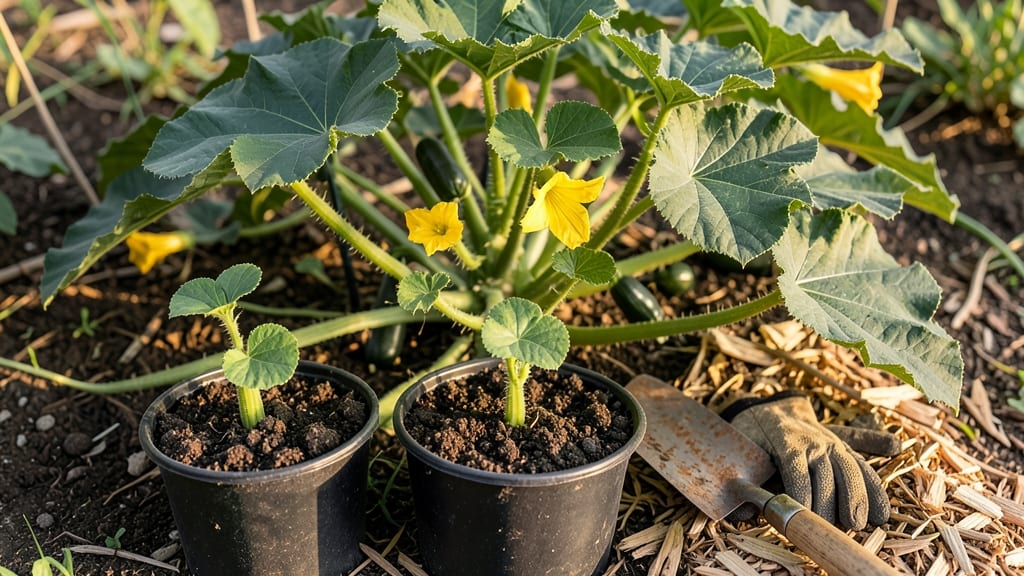
To plant zucchini in Washington State, time it after the last frost—typically mid-April in the Puget Sound but as late as early June in mountain regions.
Washington State’s diverse climate—from coastal fog to high-desert heat—means zucchini planting deadlines can vary by hundreds of days. Get your timing wrong, and you’ll miss the harvest window entirely.
Soil temperature is the real game-changer: zucchini thrives once the ground hits 60°F, which can mean waiting weeks longer in cooler zones like Zone 6b than in warmer areas like Zone 8a.
Below, I break down the exact planting windows for your microclimate, whether you’re direct-sowing in the garden or starting seeds indoors for a head start.
Washington zucchini planting deadlines by elevation zone (coastal to mountain)
Washington’s three distinct elevation zones create wildly different planting windows for zucchini. Coastal areas like Seattle and Bellingham enjoy mild springs, while Eastern WA’s Columbia Basin can experience heat spikes in May, and mountain foothills face late frosts well into June.
To avoid frost damage or bolting, timing is everything. Here’s how to align your zucchini planting with Washington’s unique climate patterns.
Your first step is identifying your elevation zone and corresponding USDA hardiness zone. Coastal Washington (USDA zones 7b-9a) typically has last frost dates between April 15 and May 1, while inland areas (zones 6b-8a) can see frosts until May 15 or later.
Highland regions above 2,000 feet (zones 5b-6a) often delay planting until after Memorial Day to avoid late-season chills.
Soil temperature is just as critical as air temperature. Zucchini seeds won’t germinate reliably below 60°F. Use a soil thermometer to confirm readiness—coastal areas may hit this mark by mid-April, while Eastern WA’s dry heat can warm soils faster by late April.
Mountain gardens often need row covers or black plastic mulch to accelerate warming.
Here’s your zone-specific planting timeline, including last frost dates, soil temperature thresholds, and recommended planting windows:
For Puget Sound gardens, aim to plant zucchini 2–3 weeks after your last frost date. Coastal areas like Olympia and Tacoma can start seeds indoors in late March for transplants, but direct sowing after April 15 is safest.
If you’re in Western WA’s lowlands (e.g., Yakima or Wenatchee), wait until soil temperatures stabilize above 65°F—often mid-May—to avoid bolting from heat stress.
Highland gardeners in the Cascade foothills or Mount Rainier region should plan for a shorter growing season. Start seeds indoors in late April and transplant after May 20, using black plastic mulch to warm the soil.
If your elevation exceeds 3,000 feet, consider fast-maturing varieties like ‘Eight Ball’ (45 days to harvest) to beat the first frost in October.
One common mistake is planting too early in response to spring rains. Zucchini seeds rot in cold, soggy soil, so wait for consistent daytime temps above 60°F before sowing.
If you’re unsure, perform the finger test: Push your finger 2 inches into the soil—if it feels cool to the touch, wait another week. For Eastern WA’s dry climate, irrigation can help regulate soil temperature, but avoid overhead watering to prevent disease.
Pro tip: Use biodegradable row covers to extend your coastal planting window by 10–14 days if late frosts linger. In high-desert areas, shade cloth can protect seedlings from intense afternoon sun during the hottest part of summer.
Always harden off transplants for 5–7 days before moving them outdoors to prevent shock.
Remember, zucchini thrives on warmth and consistency. By aligning your planting with your local elevation zone and microclimate, you’ll maximize your harvest potential—whether you’re growing in Seattle’s foggy coastal garden or Spokane’s sun-drenched valleys. 🌱
How to adjust zucchini planting for Washington’s unpredictable weather patterns
Washington’s weather can throw a curveball at even the most experienced gardeners. One week of coastal dampness in Seattle can delay planting by weeks, while heat spikes in the Columbia Basin might scorch tender seedlings overnight.
To succeed, you’ll need a flexible approach—one that accounts for microclimates, soil temperature, and unpredictable frost. Here’s how to adapt your zucchini planting strategy for Washington’s wild swings.
First, recognize that Washington’s three distinct climate zones—coastal, inland, and highland—each demand different tactics. Coastal areas like Olympia and Bellingham often see cool, wet springs, while the Columbia Basin can experience sudden 100°F heatwaves by June.
Meanwhile, mountain regions like the Cascades face early frosts as early as September. The key is to plan ahead and have backup strategies for each scenario.
⚠️ callout warning
Don’t be fooled by unseasonably warm days in March or April—Washington’s late frosts can strike as late as May 15 in Spokane or even June 1 in mountain areas. Planting too early risks frost damage or stunted growth. Always check local frost dates and monitor soil temperatures (use a soil thermometer; zucchini needs 60°F+ to thrive).
💡 Pro Tip: In coastal areas, wait until May 1 or later to plant—earlier sowings often rot in cool, soggy soil.
For coastal gardeners, focus on soil warming and row covers. Lay down black plastic mulch 2 weeks before planting to raise soil temps by 10-15°F.
If rains delay planting, opt for fast-maturing varieties like ‘Eight Ball’ (45 days to harvest) and use floating row covers to protect seedlings from chilly winds.
In Western WA, your backup planting window is late May to early June—don’t wait longer, or you’ll risk short harvest seasons.
Inland and Columbia Basin gardeners face the opposite challenge: intense heat and drought stress. Start seeds indoors in late March and transplant after May 15, when soil temps consistently hit 65°F+.
Use drip irrigation to keep roots cool and mulch heavily with straw or wood chips to retain moisture. If a heatwave hits, shade seedlings with lightweight fabric until they acclimate.
For Spokane and Wenatchee, your second planting window is June 15-20, targeting varieties like ‘Costata Romanesco’ that tolerate high temps.
Highland gardeners (Cascades, San Juan Islands) must work with short seasons and early frosts. Plant cold-hardy varieties like ‘Black Beauty’ and use cold frames or hoop houses to extend the season.
Start seeds indoors in March and transplant by May 1, aiming for a harvest before September 15. If frost threatens, cover plants with row fabric and use string lights to provide 24-hour warmth on critical nights.
Your backup window? Late July for a fall harvest, but only if you’re prepared to protect plants overnight.
Regardless of your zone, monitor weather forecasts and adjust planting dates by 1-2 weeks if needed. Washington’s unpredictable patterns mean flexibility is your best tool. With the right strategies—soil warming, row covers, and backup planting dates—you’ll turn Washington’s wild weather into an advantage, not a obstacle. Happy gardening!