
How To
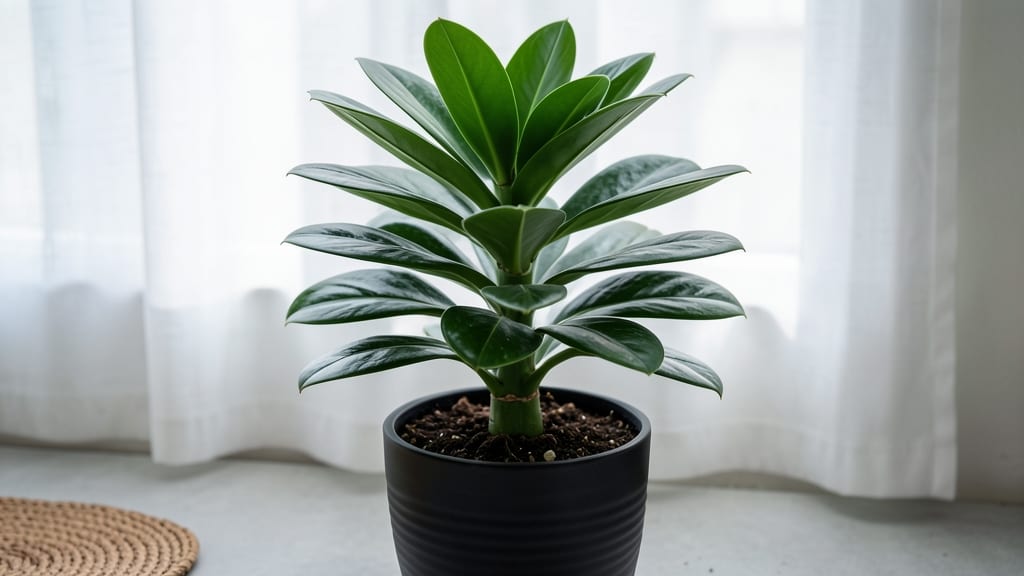
A ZZ plant needs surprisingly little light to thrive—bright indirect sun is ideal, but it handles low-light spots that would kill most houseplants.
Struggling to keep your ZZ plant alive? The secret might be simpler than you think—this hardy plant thrives in conditions most houseplants would reject, including surprisingly low light. But how much light is too much? Let’s break down the ideal lighting for your 🌱 ZZ plant’s growth and survival.
ZZ plants are famous for their resilience, but even they have limits. Too little light slows growth, while harsh direct sun can scorch those glossy leaves. The good news? You don’t need a sunroom—just a few simple adjustments to keep your plant happy year-round.
In this guide, I’ll show you how to spot the perfect light balance, adjust for different rooms, and even troubleshoot common issues like leggy stems or faded leaves. No green thumb required!
Ideal light requirements for ZZ plants: low to bright indirect sun explained
The ZZ plant (Zamioculcas zamiifolia) is one of the most adaptable houseplants, thriving where others fail. Unlike sun-loving succulents, it happily grows in low-light offices or dim corners of your home. But what happens when you push its limits?
Too little light slows growth, while direct sun exposure can scorch its glossy leaves. Let’s explore the perfect balance for your ZZ plant’s health.
ZZ plants are low-light champions, but they still need some light to photosynthesize. The key is bright, indirect sunlight, which mimics their natural understory habitat.
A north-facing window is ideal, but east or west-facing windows work too—just avoid harsh afternoon rays. Even artificial LED lighting can suffice if natural light is scarce.
| Light Condition | Ideal Placement | Growth Response | Signs of Stress |
|---|---|---|---|
| Low Light (50-100 ft candle) | Dim corners, offices, north-facing windows | Slow growth, dark green leaves | Leggy stems, sparse foliage |
| Medium Light (100-500 ft candle) | East/west windows, 3-6 ft from south window | Healthy growth, glossy leaves | None (ideal condition) |
| Bright Indirect (500-1000 ft candle) | 1-2 ft from east/west window, filtered south light | Faster growth, vibrant leaves | None (if no direct sun) |
| Direct Sun (1000+ ft candle) | South-facing windows without shade | Stunted growth, leaf burn | Brown/yellow patches, crispy edges |
Your ZZ plant’s leaf color is the best indicator of its light needs. In low-light conditions, leaves may darken and grow sparse, while bright indirect light keeps them glossy and vibrant.
If you notice yellow or brown tips, it’s a sign of too much direct sun or inconsistent watering. Move it to a shadier spot immediately to prevent permanent damage.
One common misconception is that ZZ plants can thrive in any light, but even they have limits. While they tolerate low-light offices or bathrooms, prolonged neglect leads to leggy growth and weak stems.
Rotate your plant quarterly to ensure even light exposure and prevent lopsided growth. A simple spin every few months keeps its shape compact and balanced.
For artificial lighting, opt for LED grow lights placed 6-12 inches above the plant for 12-14 hours daily. Fluorescent bulbs work too but may require closer placement. If you’re using a grow light, monitor the plant’s response—too much artificial light can mimic direct sun exposure and cause stress.
Adjust the distance or duration if you see signs of leaf scorch.
Seasonal changes also affect your ZZ plant’s light needs. During winter months, shorter daylight hours mean less natural light. Supplement with a grow light or move the plant closer to a window.
In summer, when days are longer, you can gradually increase its light exposure, but always avoid midday sun.
If your ZZ plant starts showing signs of light stress, like yellow leaves or stunted growth, don’t panic. Adjust its position and monitor for improvement. Remember, ZZ plants are forgiving, but they do best with consistent, indirect light.
With the right balance, your plant will reward you with lush, glossy foliage for years to come.
Pro tip: Use a light meter or observe your plant’s response to fine-tune its placement. If the leaves are dark and sparse, it needs more light. If they’re crispy or bleached, it’s getting too much. The perfect spot is where your ZZ plant looks happy—not struggling.
How to adjust your ZZ plant’s light exposure for optimal growth
ZZ plants are famously low-maintenance, but even they need occasional light adjustments to stay lush and healthy. If your plant is growing leggy or developing yellow leaves, it’s likely craving more—or less—light than it’s getting.
The key is finding that sweet spot between bright indirect light and dim corners that won’t stress your plant.
Start by evaluating your ZZ plant’s current location. If it’s near a south-facing window with harsh afternoon sun, move it back 3-4 feet to prevent leaf burn. Conversely, if it’s tucked in a dark closet, relocate it to a spot with at least 2-4 hours of indirect light daily.
Small tweaks like these can make a huge difference in your plant’s growth rate and leaf vibrancy.
⚠️ callout-warning
Moving your ZZ plant from low light to direct sun too quickly can cause sunburn or leaf drop. Always transition gradually over 1-2 weeks by placing it in a shadier spot first, then slowly increasing exposure.
Signs of light shock: Sudden wilting, crispy leaf edges, or brown patches. If you see these, revert to its original light conditions immediately.
For homes with limited natural light, consider supplementing with a grow light. A simple LED bulb (6000K-6500K color temperature) placed 6-12 inches above the plant for 8-10 hours daily mimics natural sunlight.
Rotate the plant quarter-turn weekly to ensure even growth, as ZZ plants naturally grow toward light sources.
Seasonal changes also affect your ZZ plant’s light needs. In winter months, when daylight is shorter, move your plant closer to a bright window or extend its light exposure with a timer-controlled grow light.
Conversely, in summer, filter harsh afternoon sun with a sheer curtain to protect delicate leaves from overheating.
If your ZZ plant develops long, sparse stems with small leaves, it’s stretching toward light—a classic sign of light deprivation. Trim the leggy growth back by 1/3 to encourage bushier growth, then adjust its light source.
For a fuller appearance, prune just above a leaf node, where new growth will sprout.
Don’t forget to rotate your plant every 4-6 weeks to prevent uneven growth toward light. Even ZZ plants, which are forgiving, will grow lopsided if left in the same position for too long. A simple quarter-turn keeps those glossy leaves evenly distributed and your plant looking its best.