
Plants
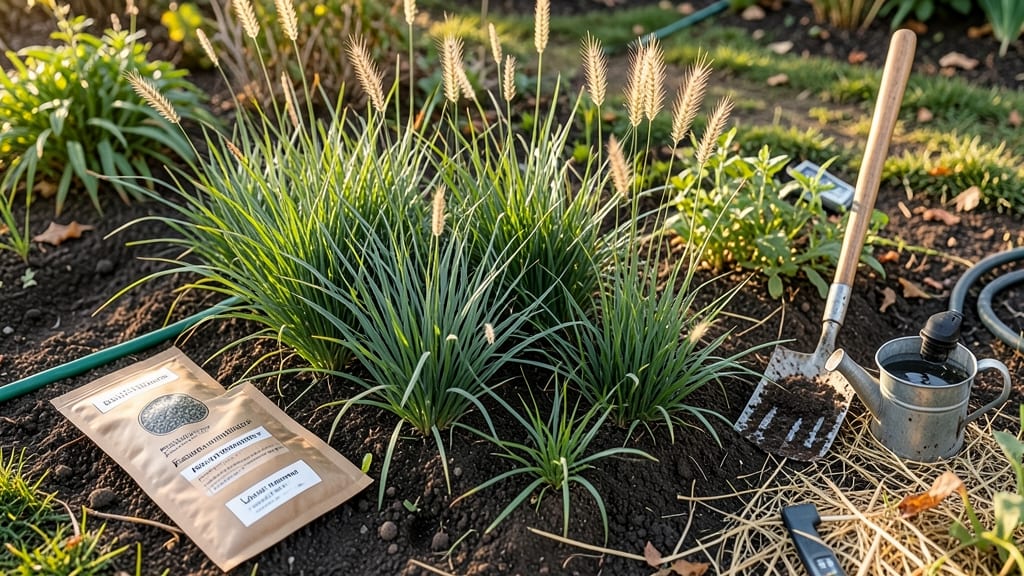
The best time to plant grass in the fall is 4-6 weeks before your first frost — a window that balances cool soil and warm days for strong root growth 🌱.
Fall is the secret weapon for lush, resilient lawns—but planting grass too early or too late can leave your yard struggling. Timing matters more than you think, especially for cool-season grasses that thrive when temperatures drop.
In USDA Zone 6a, that means aiming for late September to early October, when soil stays warm enough for seeds to germinate but nights grow cooler. Too early, and the heat zaps moisture; too late, and roots won’t establish before winter.
Below, I’ll break down the ideal planting dates for your region, how to check soil readiness, and why fall beats spring for faster germination and fewer weeds.
Optimal fall planting windows by region and grass type
Timing your fall grass planting correctly is the difference between a thick, vibrant lawn next spring and a struggling patchwork of weeds. Cool-season grasses like tall fescue, Kentucky bluegrass, and perennial ryegrass need specific conditions to establish strong roots before winter.
The key? Plant when soil temps drop to 50-65°F and daytime highs stay below 80°F.
Northern states (Zones 3-5) have a longer fall window—typically mid-August to early October—while southern states (Zones 6-9) must plant earlier (late July to mid-September) to avoid summer heat stress.
Let’s break down the perfect planting windows by region and grass type so you can maximize root growth before frost.
⚠️ Critical Tip: Always check your local frost dates and aim to plant 4-6 weeks before the first expected frost. This gives grass enough time to establish before winter dormancy.
Why these windows work: Cool-season grasses need 6-8 weeks of warm soil (but not scorching) to establish roots. Northern regions benefit from cooler nights in fall, while southern areas risk heat stress if planted too late. For example, tall fescue in Zone 5 planted in early October may not survive frost, but the same variety in Zone 7 planted in mid-September thrives.
Pro tip: Use a soil thermometer to confirm temps. If soil is above 70°F, wait a week or two—root growth slows dramatically in hot conditions. I always double-check with my local Cooperative Extension Service for hyper-local adjustments, especially in transition zones like Zone 6-7.
For northern climates, aim to finish planting by mid-October—this ensures 4-6 weeks of root development before winter. In southern states, early September is the cutoff for most varieties. Perennial ryegrass is the exception—it germinates faster, so you can push it to
Signs your fall grass planting timing is perfect (or wrong)
Fall planting gives your grass a head start, but timing is everything. The ideal window is when soil temperatures drop to 50-65°F—this sweet spot helps seeds germinate without heat stress.
If you plant too early, your grass may struggle with summer heat, while late planting risks weak roots before winter dormancy.
Daylight is another key clue. Aim for 10-12 hours of daylight—this signals your grass it’s time to grow. Check your local frost dates: planting 4-6 weeks before the first frost ensures roots establish before cold sets in.
For example, in USDA Zone 6a, that’s typically mid-September to early October.
🌱
⚠️ Warning: Planting Too Early or Too Late
Too Early: Soil temps above 65°F cause seeds to dry out or overheat. Grass may sprout weakly or fail entirely.
Too Late: Planting within 2-3 weeks of frost limits root growth, leaving grass vulnerable to winter kill.
Solution: Use a soil thermometer to confirm temps. Adjust planting dates by 2-4 weeks if your region runs hot or cold.
Rainfall patterns also play a role. Aim for 1-1.5 inches of rain per week after planting—this keeps seeds moist without drowning them. If your area is dry, water deeply 2-3 times per week until germination. Overwatering can suffocate seeds, while underwatering leads to crusting, blocking light.
Watch your grass’s color and growth rate. Healthy new shoots should appear in 7-14 days if conditions are right. If growth stalls or leaves turn yellow, you may have planted too late. Conversely, if grass bolts (stretches tall and thin), you planted too early and missed the cool-season window.
Adjust based on your grass type. Tall fescue and perennial ryegrass tolerate slightly cooler temps, while Kentucky bluegrass needs warmer soil. If your yard has shady spots, plant fine fescue—it thrives in cooler, less ideal conditions.
Don’t wait until the last minute! The best time to plant is now—but only if your soil is cool and moist. Use these signs as your guide: green shoots in 2 weeks, steady growth, and no weeds popping up.
If you see any of these, you’ve nailed the timing! 🌿