
Plants
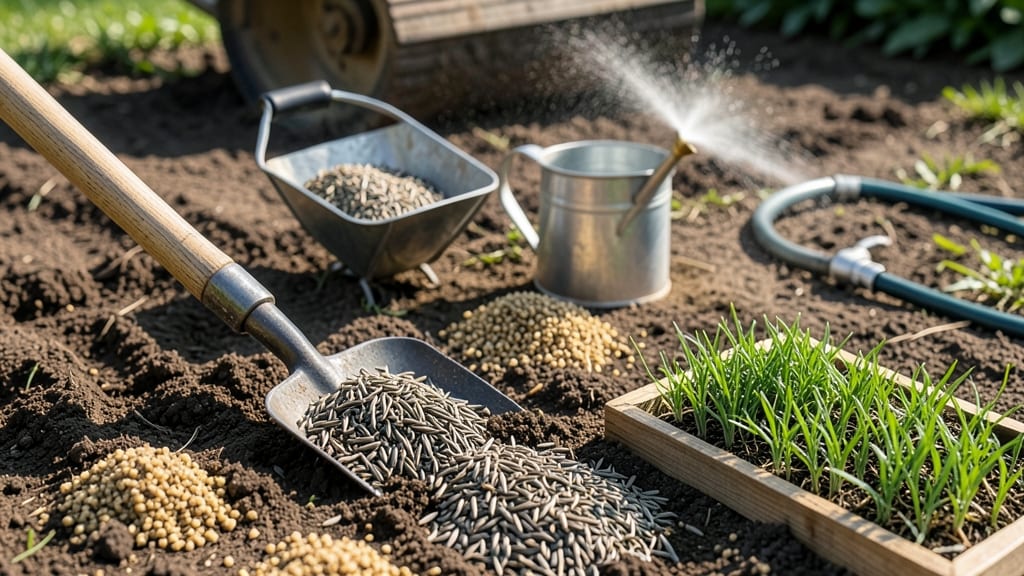
Planting grass seed in Massachusetts at the wrong time can leave you staring at a patchy, slow-to-grow lawn for months — but the best time isn’t just about the calendar.
Picture this: You’ve just seeded your lawn in late May, only to watch the seeds bake in the heat before they even sprout. Or worse, you plant in November and freeze the tender shoots overnight.
The key? Timing that balances soil warmth, moisture, and frost risk — and Massachusetts’ 6a zone demands precision.
Fall and spring are your two golden windows, but which is truly faster for germination? And how do coastal areas like Cape Cod differ from inland spots near Worcester?
I’ll break down the exact planting windows, soil prep tricks, and the cold-hardy grass types that thrive in your region — so you skip the guesswork and get a lush lawn in 30 days or less.
Ready to plant? Here’s what you need to know to pick the perfect moment — and avoid the common mistakes that kill seed before it grows.
Massachusetts grass seed planting timeline: spring vs fall germination compared
Massachusetts gardeners often debate whether spring or fall is the best time to plant grass seed. The answer depends on your soil temperature, local microclimate, and the type of grass you're growing. In USDA Zone 6a, both seasons offer advantages—but timing matters more than you might think.
Cool-season grasses like Kentucky bluegrass and fine fescue thrive when soil temperatures hover between 50°F and 65°F. This creates two prime windows: early spring (April-May) and early fall (September-October). Let’s break down which season works best for your lawn’s success.
Fall planting is often the gold standard for Massachusetts lawns. Seeds germinate in the cool, moist soil of September and October, giving them a head start before winter dormancy. Spring planting, however, can work if you act quickly after the last frost date (around April 15).
Here’s the key difference: Fall seeds establish roots before winter, while spring seeds face competition from weeds and must contend with summer heat. Let’s compare the two seasons side by side.
For coastal Massachusetts (e.g., Cape Cod, Boston), spring planting can start as early as mid-March due to milder microclimates. Inland areas like the Berkshires or Worcester should wait until late April to avoid frost damage.
Fall planting, however, is more consistent across the state—just aim to finish by mid-October before the first frost.
If you choose spring planting, prioritize weed control early. Crabgrass and chickweed germinate quickly in warm soil, competing with your grass seed. A pre-emergent herbicide applied in late winter can help. For fall, focus on soil moisture—September often brings dry spells, so plan to water deeply after planting.
Pro tip: Test your soil temperature before planting. Use a soil thermometer—if it’s below 50°F, wait. If it’s above 65°F, you’re too late for spring or too early for fall. Ideal germination happens in that 15°F sweet spot.
Regardless of season, prep your lawn the same way: till the top 4 inches of soil, remove debris, and level low spots. After seeding, keep the soil consistently moist (not soggy) until germination. In spring, this means daily watering; in fall, it’s often rainfall-dependent.
For best results, I recommend fall planting for most Massachusetts gardeners. It reduces weed pressure, avoids summer stress, and gives your lawn a stronger start. But if you miss fall, don’t despair—spring planting can still yield a lush lawn with the right care and timing.
Remember: Patience is key. Grass seed takes 14-21 days to germinate, and full establishment can take up to 3 months. Stick to your watering schedule, and soon you’ll have that dreamy green lawn you’ve been waiting for. 🌱
5 Critical factors that determine your grass seed success in Massachusetts
Getting your grass seed to germinate and thrive in Massachusetts isn't just about timing—it's about creating the perfect conditions from the start. Even if you plant at the ideal spring or fall window, ignoring these five critical factors can turn your investment into a patchy, weed-infested disappointment.
Let’s break down what truly matters for seed-to-grass conversion in your MA yard.
First, your soil pH must be between 6.0 and 7.0. Massachusetts soils often lean acidic, and grass seeds struggle to germinate outside this range.
A simple soil test kit ($10 at garden centers) will tell you if you need to add lime (to raise pH) or sulfur (to lower it). Don’t skip this step—it’s the foundation for everything else.
- 1 Soil pH (6.0-7.0): Test and amend before planting.
- 2 Moisture (consistent): Keep soil damp but not soggy for 2-3 weeks.
- 3 Sunlight (6+ hours): Shady spots need shade-tolerant seed blends.
- 4 Weed control (pre-emergent): Apply before seeding to block crabgrass.
- 5 Soil prep (loose top 2"): Remove debris and aerate compacted areas.
Next, moisture levels are your secret weapon. Grass seeds need consistent dampness to germinate, but they’ll rot if overwatered. Aim for 1/4-inch of water daily (or every other day if rain cooperates) for the first 2-3 weeks.
Use a sprinkler with gentle mist to avoid washing seeds away. Pro tip: Water in the early morning to let soil dry slightly by evening—this prevents fungal diseases like damping off.
Don’t overlook sunlight exposure. Most Massachusetts lawns thrive with 6+ hours of direct sun daily, but shade-tolerant varieties like fine fescue can handle 3-4 hours. If your yard has partial shade, choose a shade blend and avoid tall fescue, which struggles in low light.
Even in sunny spots, afternoon shade (like from trees) can stress seedlings—mulch with straw to retain moisture and protect them.
Weed competition is the silent killer of new grass. Before seeding, apply a pre-emergent herbicide like pendimethalin to block crabgrass and other weeds. Once your grass reaches 3 inches tall, switch to a post-emergent like 2,4-D for broadleaf weeds.
Skipping this step means your grass will fight weeds for nutrients, leaving you with thin, patchy coverage instead of a thick turf.
Finally, proper soil preparation makes or breaks your lawn. Start by removing all debris, rocks, and weeds—even small roots can compete with seedlings. Use a garden rake to loosen the top 2 inches of soil, then drag a lawn aerator over compacted areas (common in high-traffic spots).
Top-dress with a thin layer of compost to improve soil structure and fertility. This step ensures seeds make direct contact with moisture and nutrients, not hardpan.
Master these five factors, and you’ll transform your Massachusetts lawn from a high-maintenance headache into a lush, low-stress green space. The difference between success and failure often comes down to these details—don’t let them slip through the cracks. 🌱