
Companion Plants
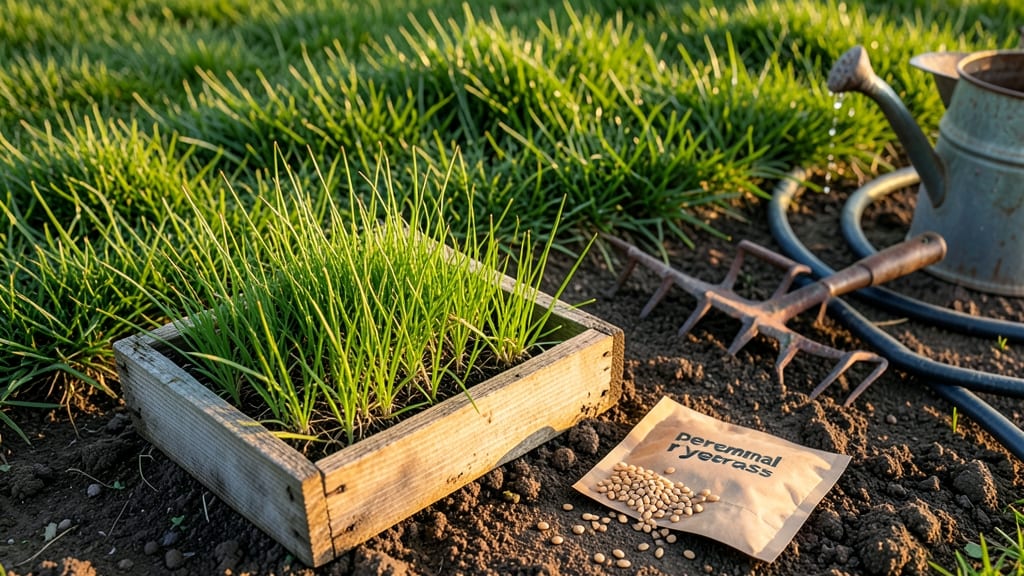
Planting grass in the spring at the right time ensures fast germination and a thick lawn before summer heat sets in—soil temperature is the key factor most gardeners miss.
Timing your spring grass planting correctly can mean the difference between a lush, green lawn and months of bare soil—soil temperature is the secret weapon most gardeners overlook.
If you’ve ever rushed to plant grass too early and watched your seeds rot in cold soil, or waited too long and lost the perfect growing window, you know how critical timing is.
Below, I’ll break down the ideal soil temperatures for cool-season and warm-season grasses, how to adjust for your climate zone, and the 5 biggest mistakes that sabotage spring planting.
Ideal soil temperature ranges for planting grass in spring
Getting your spring grass planting timing right depends on one critical factor: soil temperature. Unlike air temperature, soil warmth dictates when grass seeds germinate and establish roots. Plant too early, and you risk frost damage or slow growth.
Too late, and your lawn falls behind summer's heat. The ideal soil temperature range varies dramatically between cool-season and warm-season grasses, making regional adjustments essential for success.
Cool-season grasses like Kentucky bluegrass and fescue thrive when soil temperatures hover between 55°F and 65°F. This window typically opens in early spring—about 4-6 weeks before your last frost date.
Warm-season varieties such as Bermuda grass and Zoysia need warmer soil, ideally between 65°F and 75°F, which usually aligns with late spring or early summer after the last frost. Ignoring these thresholds can lead to patchy germination or stunted growth.
To test your soil temperature accurately, use a soil thermometer buried 2-4 inches deep. Check temperatures in the morning (between 8 AM and 10 AM) for the most reliable readings. If your soil is too cold, wait—grass seeds won’t germinate until conditions improve.
Pro tip: Northern climates often see planting windows shift 2-4 weeks later than Southern regions due to slower soil warming.
Here’s how regional climates influence your planting schedule:
| Grass Type | Ideal Soil Temp (°F) | Best Planting Window | Northern Climate Adjustment | Southern Climate Adjustment |
|---|---|---|---|---|
| Cool-Season (Kentucky Bluegrass, Fescue, Ryegrass) | 55°F–65°F | Early spring (March–April) | Wait until 2–4 weeks after last frost | Plant 1–2 weeks earlier (Feb–March) |
| Warm-Season (Bermuda, Zoysia, St. Augustine) | 65°F–75°F | Late spring (May–June) | Delay until soil reaches 70°F+ | Plant as early as April (soil warms faster) |
| Transition Zone (Tall Fescue, Buffalo Grass) | 60°F–70°F | Late April–early May | Monitor soil temps weekly | Plant by April if soil is 60°F+ |
For Northern climates, where soil warms slowly, focus on cool-season grasses and plant as soon as soil hits 55°F. In Southern climates, warm-season grasses dominate, and you can start earlier if soil temperatures climb above 60°F.
Microclimates—like shaded areas or urban heat islands—can also shift your ideal planting window by 1-2 weeks, so test your specific spot.
If your soil is too cold, don’t rush—waiting a few weeks for warmer conditions saves time and money. Pre-warming soil with black plastic mulch (left for 2-3 weeks) can help jumpstart germination in cooler regions.
Always pair soil temperature checks with frost date forecasts to avoid late-season surprises. Remember, grass seeds need consistent moisture and warmth to break dormancy, so aim for 50% humidity and stable temperatures for optimal results.
One common mistake is relying on air temperature instead of soil temperature. A sunny 70°F day might feel perfect, but if the soil is still 45°F, your seeds will struggle.
Use a soil thermometer for 3-5 days to confirm trends before planting. Pro tip: Morning soil temps are usually 5-10°F cooler than afternoon readings, so adjust your schedule accordingly.
Once you’ve nailed the soil temperature window, prepare your lawn by loosening the top 2 inches of soil with a rake or aerator. This improves seed-to-soil contact and encourages faster germination.
After planting, keep the soil consistently moist (not soggy) until germination occurs, which typically takes 7-21 days depending on the grass type and conditions. Patience and precision here pay off with a thicker, greener lawn all season.
For fastest germination, pair your planting with a starter fertilizer (high in phosphorus) to boost root development. Avoid heavy nitrogen fertilizers early—they encourage leaf growth at the expense of root strength.
Once your grass reaches 3-4 inches tall, you can switch to a balanced fertilizer to support ongoing growth. With the right soil temperature and care, your spring planting will set the stage for a lush lawn all summer long.
🌱
How to adjust your planting schedule by grass type and climate zone
Selecting the right time to plant grass in spring depends on your grass type and local climate zone. Cool-season grasses like Kentucky bluegrass and fescue thrive when planted in early spring, while warm-season varieties such as Bermuda grass prefer late spring or early summer.
Ignoring these differences can lead to poor germination or even seed loss—so let's break it down by type and region.
Your USDA hardiness zone and micro-climates (like urban heat islands or shaded areas) also play a critical role. For example, Tall fescue may germinate faster in Zone 5 than in Zone 8 due to temperature variations.
Even within the same zone, elevation and nearby structures can shift your ideal planting window by weeks.
Here’s a quick guide to help you adjust your schedule based on grass type and climate:
- Kentucky Bluegrass: Plant 4-6 weeks before last frost (typically March-April in Zones 3-7). Soil temp should be 50-55°F.
- Tall Fescue: Ideal window is early spring (March) or late summer (August) in Zones 4-9. Avoid planting when soil temps exceed 75°F.
- Fine Fescue: Best planted in early spring (March-April) or fall (September-October) in Zones 3-8. Thrives in cooler temps (45-60°F).
- Bermuda Grass: Wait until soil temps reach 65-70°F (usually late April-June in Zones 7-10). Planting too early risks seed rot.
- Zoysia Grass: Optimal planting time is late spring (May-June) in Zones 6-10. Soil should stay above 65°F for 2+ weeks.
- Centipede Grass: Plant in early summer (June-July) in Zones 7-9. Avoid planting when temps exceed 85°F—it struggles to establish.
- Shaded Areas: Delay planting by 2-3 weeks—cooler, slower-draining soil takes longer to warm up. Use shade-tolerant fescue for best results.
- Urban Heat Islands: Plant 1-2 weeks earlier—concrete and pavement can raise soil temps by 5-10°F. Monitor soil with a thermometer to avoid overheating seeds.
- High Elevations: Adjust planting dates 2 weeks later per 1,000 feet gained. For example, a Zone 6 lawn at 5,000 feet may need to wait until late April.
For transition zones (Zones 6-7), consider planting cool-season grasses in fall and warm-season grasses in late spring to maximize growth. Always test your soil temperature with a soil thermometer—this simple tool can save you from costly mistakes. Aim for 55-65°F for cool-season types and 65-75°F for warm-season varieties.
Pro tip: If your area experiences unpredictable frost, opt for perennial ryegrass as a cover crop. It germinates quickly (7-10 days) and protects your lawn until the main grass establishes. Pair this with a light mulch to retain moisture and regulate soil temperature.
Finally, don’t forget to account for rainfall patterns in your region. Areas with dry springs (like the Southwest) may require additional irrigation during germination, while wet climates (like the Pacific Northwest) might need drainage adjustments to prevent seed rot. Adjust your watering schedule accordingly.