
Planting
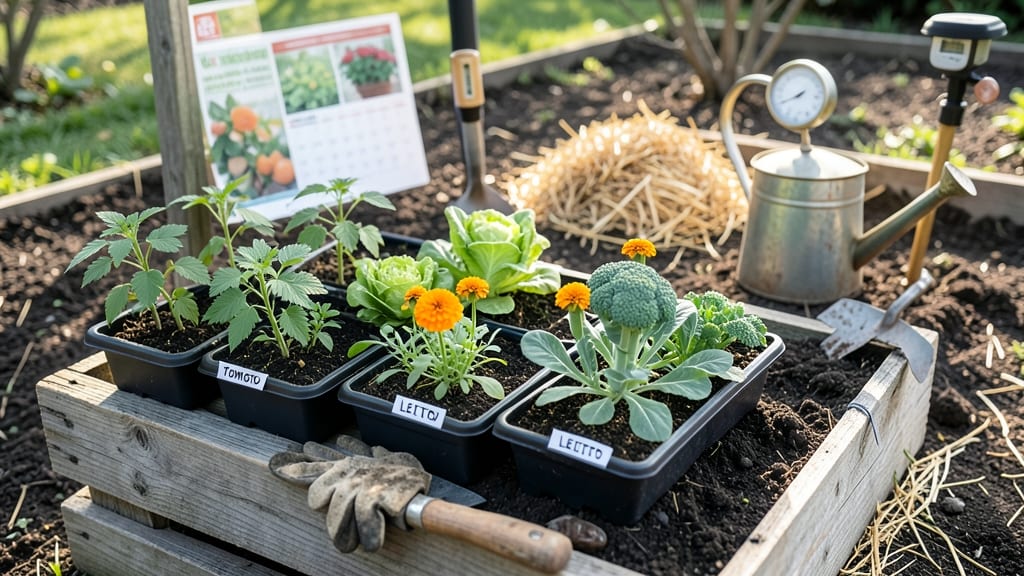
Planting your garden in Maryland at the right time is the key to avoiding frost damage and maximizing your harvests—cool-season crops need to go in by late May, while warm-season plants like tomatoes thrive when soil temperatures hit 60°F.
Maryland’s unpredictable frost dates can make or break your garden—plant too early, and your seedlings become frost casualties; too late, and you miss the growing season. But with the right timing, you can enjoy a thriving 🌱 General Vegetable Garden from spring to fall.
In USDA zones 7a-7b, the average last frost falls around mid-April, but regional microclimates mean your exact window could shift by weeks. That’s why knowing whether you’re in Western Maryland’s cooler hills or the Eastern Shore’s milder coastal zone makes all the difference.
This guide breaks down the best planting windows for every crop, from early spring greens to late-summer tomatoes, plus how to stretch your season with row covers and succession planting—so you’re harvesting well into October.
Maryland frost dates by region: when to plant cool-season vs warm-season crops
Maryland’s three distinct climate zones—Western (USDA 7a), Central (7a-7b), and Eastern (7b-8a)—create unique frost windows that dictate your planting schedule. The Western Mountains tend to have earlier frosts, while Eastern Coastal areas enjoy later springs and autumns.
Knowing these last frost dates helps you avoid killing tender seedlings or missing harvests entirely.
For cool-season crops like spinach, broccoli, and kale, you’ll want to plant 4-6 weeks before your last frost. Meanwhile, warm-season crops such as tomatoes, peppers, and cucumbers need to wait until 2-3 weeks after the frost danger has passed.
Let’s break down the exact timing for each Maryland region.
Pro Tip: Use row covers or cold frames to extend your planting window by 2-3 weeks in early spring or late fall. This simple trick lets you grow cool-season crops even when frost is still possible.
In the Western Mountains, where frosts linger longer, cool-season crops like peas and lettuce can be sown as early as late February under row covers. Meanwhile, Central Maryland gardeners have a 2-week advantage over their Western counterparts, making it ideal for early tomatoes and squash.
The Eastern Shore and Baltimore-Washington metro areas (USDA 7b-8a) often see last frosts as late as May 1, giving gardeners extra time to plant warm-season crops. This region is perfect for late-season tomatoes and peppers that can ripen well into October.
Key Adjustment: If you’re in a low-lying area or near water, expect later frosts than inland zones. Use a frost calendar from your local Cooperative Extension Service for hyper-local data.
For warm-season crops, always wait until soil temperatures reach 60°F+. Use a soil thermometer to avoid planting too early. Tomatoes and peppers thrive in warm soil, while cucumbers and beans can handle slightly cooler conditions.
Don’t forget about fall planting! Cool-season crops like spinach and kale can be sown as late as September in Western Maryland and October in Eastern regions. This ensures a second harvest before winter sets in.
Plan ahead by marking your last frost date on a calendar and counting backward for cool-season crops or forward for warm-season varieties. With these Maryland-specific guidelines, you’ll maximize your garden’s potential from spring to fall.
Step-by-step planting calendar for Maryland gardens: monthly checklist
Maryland’s 185 frost-free days create a perfect window for two planting seasons—spring and fall—but timing is everything. My USDA 7a-7b garden thrives when I follow this month-by-month checklist, adjusting for Maryland’s Western hills (cooler) and Eastern Shore (warmer) microclimates.
For example, I start cool-season crops like broccoli and peas 4-6 weeks before last frost (mid-March), while warm-season plants like tomatoes wait until soil hits 60°F (late May). This calendar keeps me on track for maximum harvests.
📅 Step-by-Step Planting Calendar
- March: Start indoor seeds for tomatoes, peppers, and herbs. Test soil—amend with compost for 6.0-7.0 pH. Use row covers to warm soil for early direct sowing of peas and spinach.
- April: Transplant hardy seedlings (kale, lettuce) outdoors. Direct sow radishes and carrots when soil reaches 50°F. Install black plastic mulch to warm soil for warm-season crops.
- May: Plant warm-season crops (eggplant, basil) after last frost. Succession-sow bush beans and cucumbers every 2 weeks. Mulch beds to retain moisture.
- June: Direct sow fall crops (beets, turnips) for late harvests. Thin seedlings and fertilize with 10-10-10 at half-strength. Watch for tomato hornworms!
- July: Start second planting of cool-season crops (spinach, arugula) for fall harvest. Harvest early tomatoes and replace with peppers for extended production.
- August: Direct sow garlic and onions for next year. Use row covers to protect late tomatoes from early frosts. Begin soil prep for fall planting.
- September: Plant broccoli, cabbage, and kale for fall/winter harvests. Add compost and mulch to protect roots. Start indoor seeds for next spring.
- October: Cover beds with straw mulch for winter protection. Harvest remaining cool-season crops before first frost (mid-November).
Pro tip: Use black plastic mulch in early spring to raise soil temps by 5-10°F, letting you plant warm-season crops 2-3 weeks earlier. I’ve seen tomatoes thrive when planted under it in late April!
For Eastern Shore gardeners, push planting dates 1-2 weeks earlier—warmer coastal breezes mean faster soil warming. In Western Maryland’s mountains, delay by 1 week to avoid late frosts.
This calendar keeps my garden productive year-round, with continuous harvests from spring lettuce to fall kale. The key? Adjusting for your microclimate and succession planting every 2 weeks for nonstop yields.