
Planting
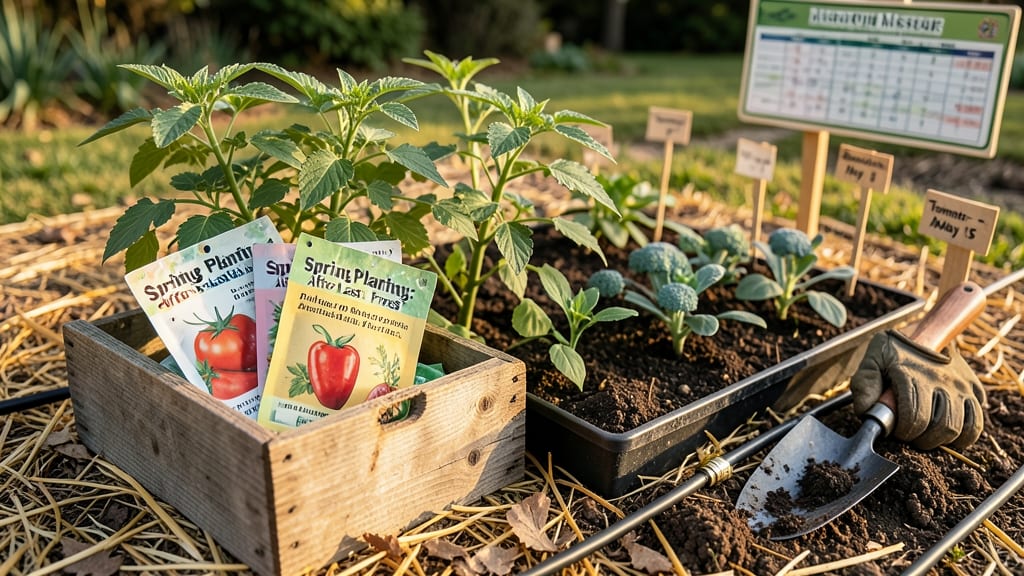
Planting a vegetable garden in Missouri means timing your crops to the state’s diverse USDA zones (5a–7a)—where a late frost in St. Louis can wipe out seedlings while southern Missouri is already baking by May.
Missouri gardeners know timing is everything—plant too early and risk frost damage, too late and miss peak harvests. But with the state’s varied climate, figuring out the perfect window for everything from tomatoes to kale can feel like solving a puzzle.
This guide cuts through the confusion by breaking down frost dates by zone, so you’ll know exactly when to start seeds indoors, transplant seedlings, and direct-sow for each crop. No more guessing whether your soil is warm enough or if that first frost is lurking around the corner.
You’ll learn which vegetables thrive in Missouri’s spring chill, which need summer heat, and how to stretch your growing season with simple tricks. Ready to grow like a local? Let’s get started.
Missouri frost dates by USDA zone: key planting windows for vegetables
Missouri’s USDA zones 5a-7a create a unique gardening challenge—some areas experience last spring frosts as late as May 15, while others in southern Missouri may see first fall frosts as late as November 15.
These differences mean your tomato seeds might need to wait weeks longer in northern zones compared to southern counties. Understanding your frost dates is the first step to maximizing your harvest, whether you’re growing cool-season greens or heat-loving peppers.
For most Missouri gardeners, the average last frost date falls between April 15 and May 1, depending on your zone. Southern Missouri (zones 6b-7a) typically sees warmer soil earlier, allowing for earlier direct sowing of warm-season crops like cucumbers and squash.
Meanwhile, northern zones (5a-5b) often require indoor seed starting for these same crops to avoid frost damage. The key is knowing your local frost dates and adjusting planting windows accordingly.
Here’s the breakdown you need to plan your vegetable garden calendar with precision:
| USDA Zone | Avg. Last Spring Frost | Avg. First Fall Frost | Warm-Season Planting Window | Cool-Season Planting Window |
|---|---|---|---|---|
| 5a (Northern MO) | May 1 - May 15 | October 15 - October 30 | Start indoors March 15; transplant after May 15 | Direct sow March 15 - April 15 |
| 5b (Central MO) | April 20 - May 1 | October 1 - October 15 | Start indoors March 1; transplant after April 20 | Direct sow March 1 - April 1 |
| 6a (Southern MO) | April 1 - April 15 | October 15 - November 1 | Direct sow after April 15; no indoor start needed | Direct sow February 15 - March 31 |
| 6b (Southeast MO) | March 20 - April 1 | November 1 - November 15 | Direct sow after March 20; early varieties thrive | Direct sow January 15 - March 15 |
| 7a (Extreme South MO) | March 1 - March 15 | November 15 - December 1 | Direct sow as early as February 15 | Direct sow January 1 - February 28 |
Note: Frost dates vary yearly—use a local weather station for real-time updates.
For warm-season crops like tomatoes, peppers, and corn, the rule is simple: wait until soil temperatures reach 60°F and the risk of frost has passed. In USDA zone 5a, this often means starting seeds indoors by March 15 and transplanting after May 15.
Meanwhile, gardeners in zone 7a can direct-sow warm-season crops as early as February 15, giving them a longer growing season. Always check your soil temperature with a thermometer—cold soil can stunt seedling growth, even if air temperatures seem warm.
Cool-season crops like lettuce, spinach, and broccoli have the opposite challenge—they thrive in cooler temperatures and can even tolerate light frosts. In zone 5a, you can direct-sow these crops as early as March 15, while zone 7a gardeners might start in January
Best vegetables to plant in Missouri by season: heat-tolerant vs. cool-season crops
Missouri’s climate lets you grow a diverse vegetable garden year-round, but the key is matching crops to the right seasonal windows. Cool-season vegetables like spinach and broccoli thrive in spring and fall, while heat-lovers such as peppers and okra need summer’s warmth.
Let’s break down the best crops for each season and their ideal planting times.
For spring planting (March–April), focus on cool-season crops that tolerate light frosts. These include lettuce, peas, and radishes, which can handle Missouri’s USDA zones 5a–7a early chill. Meanwhile, summer crops like tomatoes and cucumbers need soil temperatures above 60°F to germinate properly, making May–June the perfect window.
🌱 Missouri Seasonal Planting Guide
- 1. Spring (March–April): Cool-season crops like spinach, broccoli, and kale—plant after last frost (mid-March to early April).
- 2. Summer (May–June): Heat-lovers such as tomatoes, peppers, and okra—wait until soil is 60°F+ (late May in northern zones).
- 3. Fall (August–September): Extended-season crops like green beans, carrots, and Brussels sprouts—sow 6–8 weeks before first frost (late July to early August).
- 4. Year-Round Winners: Green beans and cucumbers thrive in both spring and summer with proper spacing and support.
Pro tip: Use row covers to extend spring/fall growing seasons by 2–4 weeks.
Don’t overlook fall planting (August–September), which lets you harvest cool-season crops before winter. Brussels sprouts and kale actually taste sweeter after a light frost, making them perfect for Missouri’s first-frost dates (October–November).
For extended harvests, try cabbage and lettuce, which can be planted in late summer for fall harvests.
If you’re unsure about frost dates, use Missouri’s average last frost (April 15–May 1) and first frost (October 15–November 15) as general guidelines.
Adjust for your specific USDA zone: Northern Missouri (5a–6a) has shorter growing seasons, while southern Missouri (6b–7a) can grow tropical crops like sweet potatoes later into fall.
For heat-tolerant crops, prioritize peppers, eggplants, and okra—they handle Missouri’s summer humidity and 90°F+ temps with ease. Plant these after Memorial Day for best results, as early heat can stress young seedlings.
Meanwhile, cool-season crops like spinach and peas prefer 50–65°F soil temps, making early spring or late summer the ideal time.
Pro tip: Use succession planting for bush beans and lettuce—sow every 2–3 weeks from spring to fall to ensure a steady harvest. This works especially well in Missouri’s long growing season, where you can often squeeze in two full harvests of the same crop.