
Fertilization
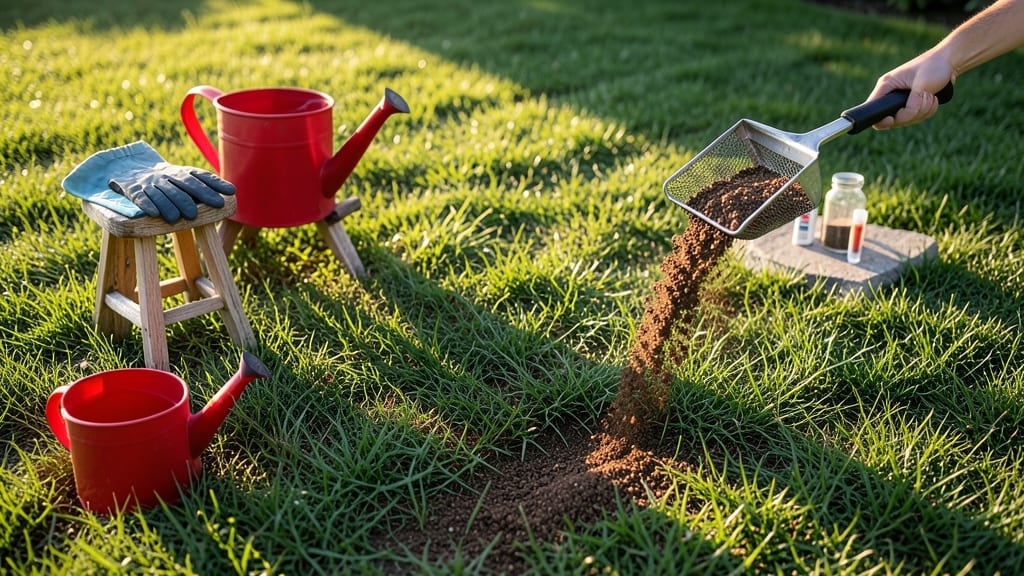
Fertilizing a new lawn at the right time is the difference between lush, deep roots and a struggling patch of grass that never quite takes hold.
Picture this: you’ve just seeded your 🌱 lawn grass after months of planning, only to watch it sputter along because you fertilized too soon—or too late.
The truth is, timing matters more than most gardeners realize, especially in Zone 6a where early springs and late frosts can throw off your schedule.
Cool-season grasses like Kentucky bluegrass or fescue need their first feed 4-6 weeks after germination, while warm-season types like Bermuda grass wait until 60 days post-seeding.
But here’s the kicker: spring and fall play completely different roles. Spring feeds push early growth, while fall applications strengthen roots for winter survival.
In this guide, I’ll break down the exact windows for your region, how to adjust for soil conditions, and why skipping the starter fertilizer at planting can cost you a full season of recovery.

Optimal fertilization timeline for new lawns: seasonal breakdown by grass type
Timing your lawn's first fertilization is critical—apply too early, and you risk burning tender seedlings; too late, and your grass struggles to establish.
The 4-6 week window after seeding is your best shot for that first critical feeding, but the exact schedule depends on whether you planted cool-season or warm-season grass.
In the Northern US, cool-season grasses like Kentucky bluegrass and fescue thrive with spring and fall feedings, while Southern climates favor warm-season types like Bermuda or Zoysia with summer-focused fertilization.
Your soil temperature is the real clock—cool-season grasses need 50-65°F soil for germination, while warm-season varieties prefer 65-75°F.
A soil thermometer (just $10) takes the guesswork out of timing. First fertilization should happen when grass has 2-3 inches of growth but before it hits 4 inches, signaling it’s ready for nutrients without overwhelming its roots.
Here’s the breakdown you’ve been waiting for—month-by-month guidance tailored to your grass type and climate zone:
For cool-season grasses, the spring and fall are your power seasons—think of them as bookends for your lawn’s growth cycle. My first feeding in spring (April) uses a 20-0-5 ratio to boost root development, while the fall feeding (September) focuses on strengthening roots before winter.
In USDA Zones 3-6, this two-season approach builds a deep, resilient root system that outlasts summer heatwaves.
Warm-season grasses, on the other hand, are all about summer dominance. If you’re in Zones 7-10, your first fertilization shouldn’t happen until late May or June, when soil temperatures consistently hit 70°F.
I use a slow-release fertilizer like 24-0-10 to avoid nitrogen burn, and I never fertilize after August 1st—this gives roots time to harden off before winter.
Regional adjustments are key: In Northern climates, I’ve seen Kentucky bluegrass struggle if fertilized after Labor Day, as new growth can’t survive early frosts.
Meanwhile, in Southern Florida, St. Augustine grass can handle light feedings year-round, but I still avoid winter applications to prevent fungal diseases in humid conditions. Always check your local extension service for micro-climate tips!
Pro tip: Water deeply (1 inch) 24 hours before and after fertilizing to help nutrients penetrate the soil. I set my sprinkler for early morning to
Spring vs. fall fertilization: which is better for new lawns?
Deciding between spring and fall fertilization for your new lawn can feel overwhelming. Both seasons offer unique benefits, but the best choice depends on your grass type, climate zone, and seeding timing.
Cool-season grasses like fescue or bluegrass thrive with fall feeding, while warm-season grasses such as Bermuda or Zoysia benefit more from spring applications. Let’s break down the pros and cons to help you make the right call.
Timing matters because grass growth cycles align with seasonal temperatures. In spring, soil warms up, triggering rapid top growth—but roots may still be shallow. Fall fertilization, however, focuses on strengthening roots before winter dormancy, setting your lawn up for a healthier rebound in spring.
For most regions, fall is the gold standard for new lawns, but exceptions exist based on your local frost dates and grass type.
Spring Fertilization for New Lawns
Pros
- ✅ Boosts early growth—ideal for warm-season grasses
- ✅ Encourages thick turf before summer stress
- ✅ Works well in Southern climates with mild winters
Cons
- ❌ Risk of burning if applied too early (before soil warms)
- ❌ Less root development compared to fall feeding
- ❌ Wastes nutrients if grass goes dormant in heat
Fall Fertilization for New Lawns
Pros
- ✅ Strengthens roots before winter dormancy
- ✅ Reduces weed competition in spring
- ✅ Best for cool-season grasses and Northern climates
Cons
- ❌ Limited top growth—focuses on roots, not greening
- ❌ Too late for warm-season grasses in Southern regions
- ❌ Requires precise timing—apply 6-8 weeks before frost
For cool-season grasses, aim to fertilize in early fall (September-October) when soil temps drop below 80°F. This timing ensures nutrients are absorbed for root growth without encouraging late-season top growth that can’t survive winter.
In contrast, warm-season grasses should get their first feeding in late spring (May-June) when soil temps reach 65°F+.
Your last frost date is the ultimate guide. If you’re in USDA Zone 5 or colder, prioritize fall fertilization. For Zones 7-10, spring feeding may be better.
Always check your soil temperature with a probe—never fertilize if the ground is below 50°F or above 90°F, as nutrients won’t activate properly.
Pro tip: If you seeded in spring, wait 4-6 weeks after germination before fertilizing. For fall-seeded lawns, apply a light feed in early spring to kickstart growth. Balance is key—over-fertilizing new grass can burn delicate roots, while under-fertilizing leaves it vulnerable to weeds and drought.
Ultimately, fall fertilization wins for most new lawns, but adapt based on your grass type and climate. Start with a soil test to confirm nutrient needs, then follow the seasonal rules. Your lawn’s long-term health depends on getting this timing right in the first year!