
Trees
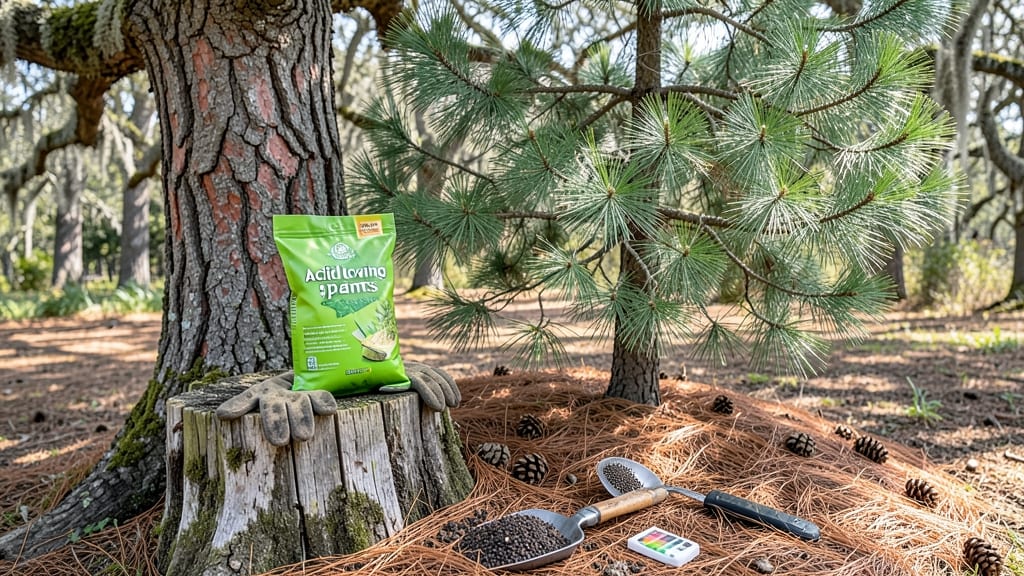
Fertilizing evergreen trees at the right time ensures they thrive year-round 🌲 — and the best windows are early spring and late fall, when roots are active but not overloaded.
Evergreen trees add year-round beauty to your landscape—but without proper fertilization, their growth can stall or weaken. Timing is everything when feeding these hardy plants, and a well-planned schedule can mean the difference between lush foliage and struggling branches.
In Zone 6a, where many gardeners live, the ideal time to fertilize is just as new growth begins in early spring or before dormancy in fall. This aligns with the tree’s natural cycles, helping it absorb nutrients efficiently without stress.
Below, I’ll break down the exact seasonal schedule, how to spot signs of nutrient deficiency, and the best fertilizer types for your evergreen’s needs—so you can keep your trees strong and vibrant all year.

Best seasons to fertilize evergreen trees for optimal absorption
Timing your evergreen tree fertilization is just as important as choosing the right nutrients. These trees thrive when fed during their most active growth periods, which aligns with soil temperature and moisture conditions.
Fertilizing at the wrong time can stress roots or lead to nutrient runoff, wasting your effort and potentially harming nearby plants.
Most gardeners agree that early spring and late fall are the two best windows for fertilizing evergreens. These seasons offer perfect conditions: warmer soil that's thawing in spring and cooler temperatures in fall, both of which encourage root activity without overheating.
Let's explore why these times work best and how regional climates might adjust your schedule.
The summary table below breaks down the ideal fertilization schedule by season, including key considerations for different climates:
In early spring, evergreens wake up from dormancy and begin producing new growth. This is when they need nitrogen-rich fertilizers most, as nitrogen fuels leaf and needle production. I recommend applying a balanced 10-10-10 fertilizer or organic options like composted manure when you see fresh shoots emerging.
For acid-loving evergreens like pines and spruces, use a fertilizer formulated for acid-loving plants to prevent soil pH issues.
Late fall fertilization focuses on root development and storing nutrients for next year's growth. Choose a low-nitrogen, phosphorus-heavy fertilizer (like 5-10-10) to encourage strong root systems. This timing also helps trees recover from any summer stress and prepares them for winter dormancy.
I've found that applying fertilizer in early October gives roots enough time to absorb nutrients before the ground freezes.
Regional climates play a huge role in your fertilization schedule. In warmer climates (USDA Zones 9-11), evergreens may stay active year-round, so you can fertilize in winter months like December or January. However, always check soil moisture first—waterlogged soil can suffocate roots and prevent nutrient uptake.
In cooler climates (Zones 3-5), wait until after the last frost date to fertilize in spring, typically mid-to-late May.
One common mistake I see is fertilizing evergreens in summer heat. While a light feeding might help during drought, heavy fertilization can burn roots and cause needle drop. If you must feed in summer, choose a slow-release fertilizer and apply it in the early morning when temperatures are cooler.
Always water thoroughly before and after applying fertilizer to help nutrients reach the roots.
To maximize absorption, prepare your soil before fertilizing. Work a 2-3 inch layer of compost into the topsoil in early spring, then apply your fertilizer 6-12 inches away from the tree trunk. This creates a nutrient-rich zone where roots can access food without competing with grass or weeds.
For established trees, use a broadcast spreader to evenly distribute granules in a circle matching the tree's drip line.
Watch for signs of over-fertilization, which include yellowing needles, excessive growth, or white crusts on soil. If you notice these, flush the soil with water and reduce fertilizer amounts by half next time.
Under-fertilized trees show slow growth, sparse foliage, and needles that turn brown at the tips. Adjust your schedule based on these visual cues—your evergreens will thank you with vibrant, healthy foliage year-round.
Remember, evergreen trees are long-term investments. A consistent fertilization schedule in early spring and late fall, tailored to your climate, will pay off with stronger trees that resist pests and diseases.
Start with these seasonal guidelines, and don't hesitate to adjust based on your specific tree types and local growing conditions.
Signs your evergreen trees need fertilizer (and when to act)
Evergreen trees often hide nutrient deficiencies until they’re already struggling. If your pine, spruce, or cedar trees show signs of distress, it might be time to fertilize. The key is catching these issues early—before yellowing needles or stunted growth become permanent problems.
I’ve seen many gardeners miss subtle warnings, leading to irreversible damage. Let’s break down the 5 most common signs your evergreens are hungry and when to act.
First, observe the needle color. Healthy evergreens have vibrant green needles year-round. If you notice yellowing (especially on older needles) or brown tips, this often signals a nitrogen deficiency. Yellowing between the veins? That’s usually a magnesium or potassium issue.
For example, my blue spruce started showing pale yellow needles last spring—turns out, it needed a balanced fertilizer with extra nitrogen. Acting quickly reversed the problem before the tree weakened further.
Slow growth is another red flag. If your evergreen isn’t gaining 6–12 inches per year (typical for mature trees), it’s likely starving for nutrients. Compare it to similar trees in your neighborhood—if yours looks sparse or leggy, fertilization is overdue.
I once had a dwarf pine that barely grew for two years. After testing its soil and adding a slow-release fertilizer, it shot up 18 inches in a single season. Patience pays off, but don’t wait too long!
🌲 When to Fertilize Evergreen Trees: Key Timing Guide
- Early Spring (March–April): Apply fertilizer when new growth begins. This kickstarts nutrient uptake for the growing season.
- Late Summer (August): Light feeding helps trees recover from summer stress. Avoid heavy doses—too much can burn roots.
- Early Fall (September–October): Fertilize 6–8 weeks before frost to support root growth before dormancy. Ideal for acid-loving evergreens like pines.
- Avoid Winter (November–February): Evergreens are dormant. Fertilizing now wastes nutrients and can harm tender roots.
- After Transplanting (First Year): Wait 6–12 months before fertilizing. Newly planted trees need time to establish roots.
Don’t ignore sparse foliage or thinning branches. If your tree looks “bald” in spots, it’s likely suffering from a phosphorus deficiency, which weakens root and flower development. For instance, my arborvitae had bare patches until I switched to a high-phosphorus fertilizer.
Within a year, new growth filled in the gaps. Pro tip: Test your soil before fertilizing—this tells you exactly what nutrients are missing.
Finally, watch for twisted or stunted needles. This often means a potassium deficiency, which affects the tree’s ability to resist disease and cold. I’ve seen firs with curled needles in winter—adding a potassium-rich fertilizer in early fall helped them bounce back.
If you notice these signs, act by September to give your tree time to recover before winter stress sets in.
Remember, over-fertilizing is just as harmful as under-fertilizing. Always follow the label’s instructions and water thoroughly after applying. For acid-loving evergreens, use a low-pH fertilizer to mimic their natural soil conditions. With the right timing and nutrients, your evergreens will thrive year-round—no more sad, struggling branches! 🌿