
How To
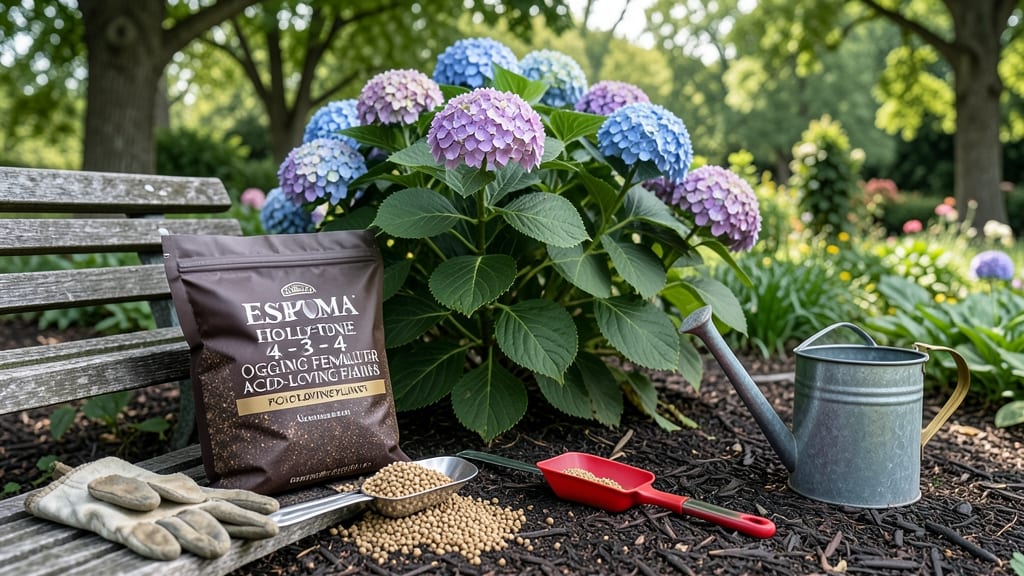
Fertilizing hydrangeas in Zone 7 at the right time is the secret to those showstopping blooms 🌸 that make your garden the envy of the neighborhood.
Picture this: You’ve waited all winter for your hydrangeas to wake up, only to watch them put out leaves instead of the vibrant clusters you dreamed of. The culprit? Fertilizer timing. Too early, and you stunt growth; too late, and you miss the bloom window entirely.
But get it right, and you’ll see those bold blue, pink, or purple blooms you’ve been hoping for.
In Zone 7, the best times to fertilize are early spring—just as new growth appears—and again in early summer after the first flush of blooms. Fall fertilization is a game-changer for next year’s flowers, but only if you do it correctly.
I’ll walk you through the exact schedule, the types of fertilizer to use, and how to adjust for everblooming vs. seasonal varieties so you never miss a beat.
Ready to turn your hydrangeas into the star of the garden? Let’s dive into the when, what, and how of fertilizing for Zone 7’s unique climate—no more guesswork, just guaranteed blooms.

Optimal hydrangea fertilizing schedule for Zone 7: spring timing explained
Spring is the critical window for hydrangea fertilization in Zone 7, setting the stage for vibrant blooms all season. The key is timing—apply fertilizer too early, and you risk stunting growth; wait too long, and your blooms may suffer.
For most hydrangeas, this means feeding after the last frost but before buds swell, typically between mid-April and early May in Zone 7.
Hydrangeas in Zone 7 thrive with balanced fertilization, but the type matters just as much as the timing. A 10-10-10 or 12-12-12 NPK ratio is ideal for encouraging both leafy growth and flower production.
Organic options like composted manure or fish emulsion work well, but synthetic fertilizers can deliver faster results if you’re short on time. The goal is to provide nutrients without overwhelming the plant as it emerges from dormancy.
Everblooming hydrangeas (like 'Endless Summer') need slightly different care—they produce flowers on both old and new wood, so a light feeding in early spring (around late March) can stimulate new growth, followed by a second application after the first flush of blooms in early June. Seasonal bloomers (like 'Annabelle') rely on old wood blooms, so focus on one strong spring feeding to support next year’s flowers.
Step-by-Step Spring Fertilizing Guide for Zone 7 Hydrangeas
- 1 Wait for new growth: Fertilize only after you see 1-2 inches of fresh growth (usually mid-April to early May in Zone 7).
- 2 Choose the right fertilizer: Use a balanced 10-10-10 or 12-12-12 formula. For organic options, compost or fish emulsion works well.
- 3 Apply evenly around the base: Sprinkle 1 tablespoon per plant (for small shrubs) or 2 tablespoons for mature plants in a 6-inch circle around the root zone.
- 4 Water thoroughly: Use 1-2 gallons of water to help nutrients penetrate the soil. Apply in the early morning to avoid fungal risks.
- 5 Avoid over-fertilizing: Too much nitrogen can lead to leafy growth at the expense of blooms. Follow package instructions and never exceed recommended amounts.
One of the most common mistakes gardeners make is fertilizing too late in spring. If you wait until June or later, your hydrangeas may produce fewer blooms because the plant is already focusing energy on flower development.
Instead, think of spring fertilization as a growth kickstart—give your hydrangeas the nutrients they need to establish strong roots and foliage before blooming season peaks.
For potted hydrangeas, adjust your approach slightly. Since container plants dry out faster, you’ll need to fertilize more frequently but with half the usual amount (about ½ teaspoon per gallon of soil).
Always water potted hydrangeas before and after fertilizing to prevent root burn. If you notice yellowing leaves or stunted growth, flush the soil with water to remove excess salts from synthetic fertilizers.
Monitor your hydrangeas closely after fertilizing. Healthy new growth should appear within 2-3 weeks, and buds should swell by late May. If you see burnt leaf edges or wilting, you’ve likely over-fertilized.
In this case, reduce future applications and focus on improving soil drainage with organic matter like compost or peat moss.
Pro tip: Pair your spring fertilization with a 2-3 inch layer of mulch around the base of your hydrangeas. This helps retain moisture, regulates soil temperature, and slowly releases nutrients as it breaks down. Use organic mulch like shredded bark or pine straw to avoid compacting the soil.
Finally, remember that hydrangea blooms are highly sensitive to soil pH. If your soil is too acidic or alkaline, your flowers may not reach their full color potential.
Test your soil in early spring and adjust the pH as needed—aim for 5.5-6.0 for blue flowers or 6.0-7.0 for pink blooms. You can tweak pH with lime (to raise pH) or sulfur (to lower pH) before applying fertilizer.
By following this spring fertilization schedule, your Zone 7 hydrangeas will enter their blooming season
Fall fertilizing secrets for Zone 7 hydrangeas: boost next year’s blooms now
Fall is the perfect time to give your Zone 7 hydrangeas a nutrient boost for next year’s blooms—just don’t overdo it. While many gardeners focus on spring feeding, late-season fertilization helps strengthen roots and store nutrients for spring growth.
In Zone 7, where winters can dip below freezing, timing matters to avoid root damage or encouraging late-season growth that won’t harden off properly.
Most hydrangeas enter dormancy by late fall, but a light fertilizer application in early fall (around October) can provide essential nutrients without overstimulating new growth.
The key is choosing the right fertilizer—one that’s low in nitrogen but rich in phosphorus and potassium to support root development and flower bud formation.
🌿 Pros & Cons of Fall Fertilizing for Zone 7 Hydrangeas
- Root strengthening for winter
- Encourages bud formation for next year
- Balanced nutrients avoid late growth
- Prevents nutrient deficiency in spring
- Over-fertilizing causes new growth that dies in frost
- Wrong timing can delay dormancy
- High nitrogen risks leafy growth, not blooms
- Requires proper winter mulch afterward
For everblooming hydrangeas (like 'Endless Summer'), focus on a balanced fertilizer (10-10-10 or 12-12-12) in early October. For seasonal bloomers (like 'Annabelle'), opt for a low-nitrogen, high-phosphorus formula (5-10-10) to prioritize root health over foliage.
Always apply fertilizer 2-3 inches away from the stem and water thoroughly afterward to prevent root burn.
After fertilizing, protect your hydrangeas with a 3-inch layer of mulch (like shredded bark or pine straw) to insulate roots from freeze-thaw cycles. This mulch layer also helps retain moisture and regulates soil temperature, creating the ideal environment for next year’s blooms.
Avoid applying mulch directly against the stem to prevent rot.
Skip fall fertilization if your hydrangeas show signs of stress or disease, as additional nutrients can exacerbate issues. Instead, focus on pruning dead branches and ensuring proper drainage.
If your soil is already nutrient-rich (test with a soil kit), a light application of compost or worm castings may be sufficient to support winter resilience.
Timing is everything in Zone 7. Fertilize no later than mid-October to allow roots to absorb nutrients before the ground freezes. By following these steps, you’ll set your hydrangeas up for healthier roots and more vibrant blooms next season—without the risk of winter damage. 🌸