
Companion Plants
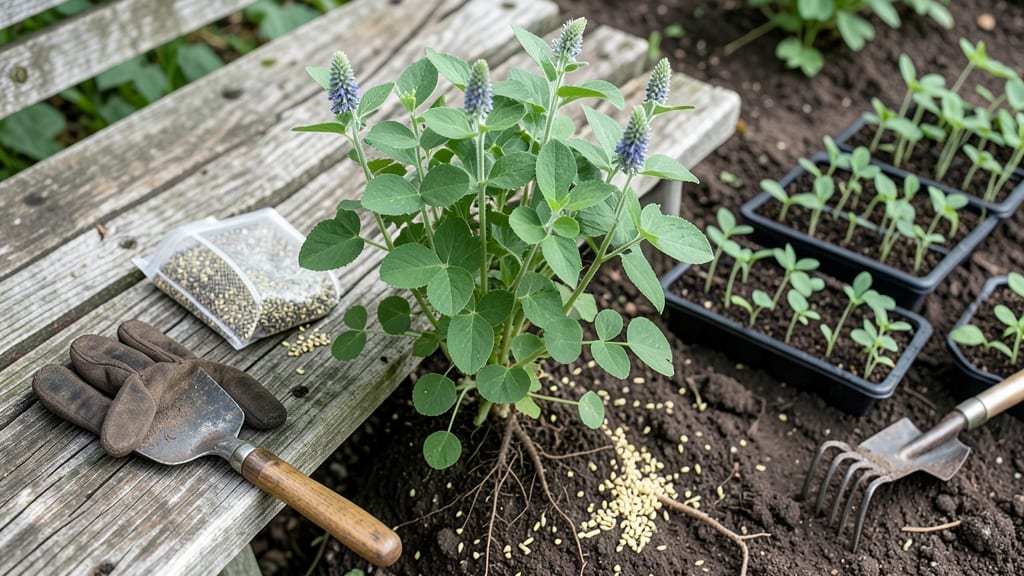
Planting alfalfa in Georgia at the right time means the difference between a lush, high-protein forage crop and a failed patch of stunted sprouts.
Georgia’s diverse microclimates—from the Piedmont’s mild winters to the Coastal Plain’s humidity—can make or break your alfalfa harvest. Planting at the wrong time risks frost damage or poor establishment, while timing it perfectly ensures years of productive growth.
For most of the state, March is your best bet, but regional variations mean you’ll need to adjust for your exact zone.
Alfalfa thrives in Georgia’s USDA zones 7b-8b, where frost-free days stretch from late March to November. The key is planting after the last frost—typically mid-March for the Piedmont and slightly later in the Coastal Plain—when soil temperatures hit 55–65°F.
This window gives seedlings the best chance to establish roots before summer heat sets in.
In this guide, I’ll break down the exact weeks to plant by region, how to prep your soil for Georgia’s unique climate, and the one mistake that wipes out half of new plantings.
Whether you’re a farmer or a backyard gardener, these tips will help you grow alfalfa that’s hardy, productive, and long-lasting.
Georgia’s 3 best planting windows for alfalfa by microclimate zone
Alfalfa thrives in Georgia’s climate when planted during specific windows that align with soil temperatures and frost-free dates. The Piedmont, Coastal Plain, and Mountain regions each have unique timing needs, and getting it right means the difference between lush, high-protein forage and failed establishment.
Let’s break down the science-backed windows tailored to your microclimate.
For alfalfa to germinate properly, soil temperatures must reach 55–65°F. In Georgia, this typically occurs in early spring (March) or late summer (August-September). However, your exact timing depends on whether you’re in the humid Coastal Plain, the milder Piedmont, or the cooler Mountain regions.
Each zone has slightly different frost-free dates and ideal planting cues.
Here’s the key: Plant too early, and frost heave can uproot seedlings. Plant too late, and summer heat stress stunts growth. The solution? Use local frost-free date calculations and soil thermometers to pinpoint the perfect moment.
Below, we’ll compare the three best planting windows by microclimate, including exact weeks and soil conditions for success.
🌱 Visual Guide: Use this comparison table to find your optimal planting window based on Georgia’s three distinct regions.
In the Piedmont, where winters are mild but frost risk lingers into March, aim for March 1–15 or August 15–30. This region’s well-drained soils warm quickly, making early spring ideal. Use a soil thermometer to confirm 55–65°F before planting.
For the Coastal Plain, where humidity and heat dominate, late winter (February 20–March 10) or early fall (September 1–15) works best. The warmer soils here allow for earlier planting, but avoid waterlogged conditions that stunt germination. Test soil moisture—it should be damp but not soggy.
The Mountain regions demand patience due to cooler soils and later frost-free dates. Plant in late spring (April 15–30) or early fall (September 15–October 5) when soil temperatures consistently hit 55–60°F. Wait for snowmelt to fully recede to avoid frost heave.
Pro tip: In all regions, inoculate seeds with Rhizobium bacteria to ensure nitrogen fixation. This step is critical for alfalfa’s high-protein growth and can mean the difference between thriving plants and stunted yields. Mix inoculant directly with seeds before sowing.
Finally, mulch lightly after planting to retain moisture and warmth. Use straw or shredded leaves—never plastic—to allow airflow and drainage. This is especially important in the humid Coastal Plain, where fungal diseases like root rot can threaten young seedlings.
Timing your alfalfa planting to these microclimate-specific windows ensures strong establishment and long-term productivity. Whether you’re in the Piedmont’s rolling hills, the Coastal Plain’s heat, or the Mountain’s cooler air, these guidelines will help you avoid common mistakes and maximize your harvest.
Critical mistakes to avoid when planting alfalfa in Georgia’s climate
Planting alfalfa in Georgia’s unpredictable climate can turn your high-protein forage dreams into a costly flop if you overlook key pitfalls. The most common mistake?
Planting too early when soil temperatures dip below 55°F, leaving seedlings vulnerable to frost heave—a condition where roots lift out of the ground and die.
Another critical error is ignoring soil pH. Alfalfa thrives in a 6.5–7.0 pH range, but Georgia’s acidic soils often require lime amendments. Skipping this step means stunted growth and poor nitrogen fixation, even if you plant at the perfect time.
Finally, many gardeners forget to add Rhizobium inoculant, the bacteria that helps alfalfa convert atmospheric nitrogen into usable plant food. Without it, your crop will struggle to grow, no matter how well you time your planting.
⚠️ Georgia-Specific Planting Deadline
In most of Georgia, March 15–April 15 is your ideal window. Planting after April 30 risks summer heat stress, while seeding before March 1 exposes alfalfa to frost heave. Check your local USDA zone—Coastal Plain areas (Zone 8b) can plant up to 2 weeks later.
To troubleshoot frost heave, wait until soil temperatures consistently stay above 55°F for at least 5 days. Use a soil thermometer to monitor—Georgia’s Piedmont can experience late frosts even in March. If you’ve already planted too early, cover seedlings with frost cloth on cold nights.
For soil pH issues, test your soil 4–6 weeks before planting. If the pH is below 6.5, apply pelletized lime at a rate of 5–10 lbs per 100 sq ft, then till it into the top 6 inches.
In Georgia’s humid climate, this also helps prevent phosphorus lockup, another common issue.
If you skip the inoculant, your alfalfa will grow slowly and produce low-protein forage. Mix the inoculant directly with seeds before planting—never apply it afterward. For Georgia’s heat and humidity, use a broadcast spreader to ensure even coverage, especially in large fields.
Remember: One mistake can wipe out an entire season’s growth. Double-check your soil, timing, and inoculant to ensure your alfalfa thrives in Georgia’s challenging climate. With these fixes, you’ll be harvesting lush, nitrogen-rich forage in no time. 🌱