
Companion Plants
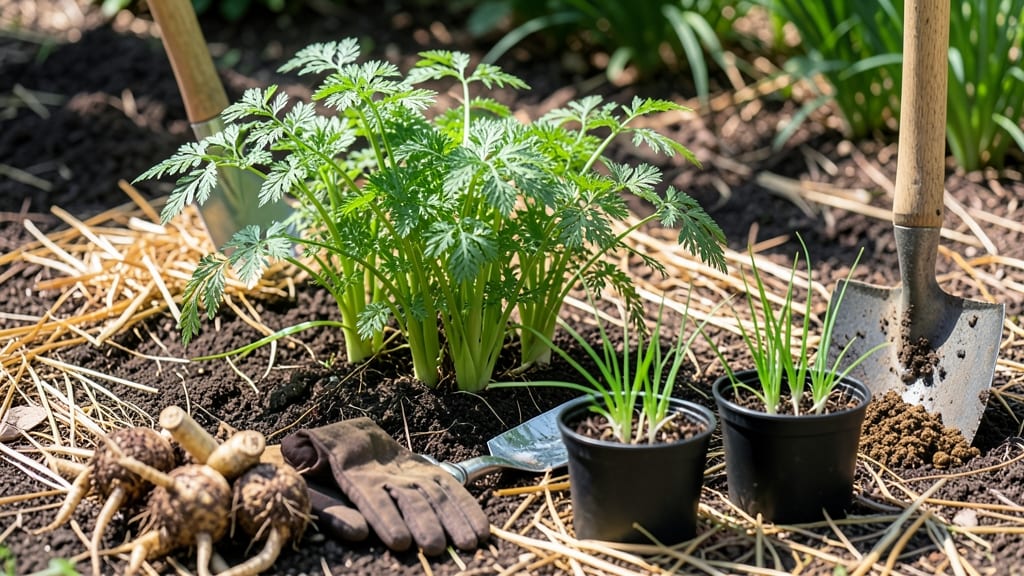
Planting asparagus in Louisiana means timing it right to avoid frost and maximize your spring harvest—and the window is narrower than you might think.
Louisiana’s humid subtropical climate is a gardener’s dream for asparagus, but planting too early or late can mean wasted effort. Avoid the common mistakes that turn your asparagus crowns into a frost-fried disaster by mastering the exact timing for zero-frost success.
In zones 8a-9b, the sweet spot is late winter to early spring, but the exact dates depend on your microclimate. Whether you’re in North Louisiana’s cooler pockets or the Gulf Coast’s warmer stretches, knowing when to plant ensures your 🌱 asparagus thrives—not just survives.
Below, I’ll break down the ideal planting windows, soil prep secrets, and how to adjust for Louisiana’s unpredictable spring weather. Ready to grow asparagus that pays off for years?
Louisiana asparagus planting calendar: exact dates by microclimate zone
Louisiana’s three distinct microclimates—North, Central, and South—create wildly different planting windows for asparagus. In the North (USDA Zone 8a), late frosts can linger until mid-March, while the South (Zone 9b) often sees frost-free soil by mid-February.
Getting the timing right means the difference between a thriving asparagus bed and a sad, frost-nipped failure.
Asparagus crowns need soil temperatures above 50°F to root properly and consistent warmth to break dormancy. In Louisiana, this typically aligns with late winter to early spring, but your exact microclimate zone dictates the perfect window.
Plant too early, and you risk crown rot from cold, wet soil. Plant too late, and your spears won’t mature before summer’s heat sets in.
Below is your zone-specific planting guide, including soil temperature triggers, frost risk analysis, and strategies for first-year crowns versus established beds. Use this as your roadmap to zero-frost success—because in Louisiana, timing is everything.
🌱
For first-year crowns, prioritize planting during your zone’s earliest safe window. These young plants are most vulnerable to frost and need 4-6 weeks of warm soil to establish roots before spears emerge. In the North (Zone 8a), this means waiting until late March—no exceptions.
In the South (Zone 9b), you can start as early as mid-January, but avoid planting if rainfall exceeds 2 inches/week, as soggy soil suffocates roots.
Established asparagus beds, however, are hardier and more flexible. If you missed the primary window, you can replenish your bed in late spring (May), though yields will be reduced by 30-50%.
This is ideal for dwarf varieties or small gardens where you want to extend the harvest window without committing to a full-season crop.
Pro tip: Use a soil thermometer to confirm readiness—50°F+ at 4 inches deep is your golden number. In Louisiana’s humid climate, soil heats up faster in sandy loam (common in the North) than in clay-heavy soils (common in the South).
Adjust your planting date by 1-2 weeks if your soil is slower to warm.
🌡️
Don’t let Louisiana’s <
How to time asparagus planting for Louisiana’s unpredictable spring weather
Louisiana’s spring weather can shift faster than a thunderstorm rolls in, making asparagus planting a high-stakes game of timing. One week of frost can turn your 🌱 crowns into sad, mushy memories, while planting too late means missing the prime harvest window.
The key? Flexibility—and knowing when to adjust based on real-time conditions.
Unlike northern states with predictable frost dates, Louisiana’s USDA zones 8a-9b experience microclimates that can vary by 50 miles. North Louisiana might still see light frosts in early March, while the Gulf Coast could already be in the 80s°F.
I’ve learned the hard way that blindly following a calendar won’t cut it here.
Here’s my battle-tested strategy for adjusting planting dates using tools most gardeners overlook—soil thermometers, local weather alerts, and even rainfall forecasts. These aren’t just guesses; they’re the difference between a bountiful asparagus bed and a wasted season.
⚠️ Warning: Louisiana’s Frost Risk Isn’t What You Think
Zone 8a (North LA): Last frost January 15—but light frosts can linger into early March in sheltered valleys. Planting asparagus crowns before March 15 risks frost damage.
Zone 9b (South LA): Frost-free by January 31, but unpredictable cold snaps can hit February-March. Don’t rush—wait for soil temps to hit 50°F+ consistently.
Pro Tip: Use the LSU AgCenter’s frost maps (link) to check your exact microclimate before planting.
First, invest in a soil thermometer—it’s your #1 tool for Louisiana planting. Asparagus crowns need soil temps of 50°F+ to root properly. In North Louisiana, this might not happen until mid-March, while South Louisiana could hit it by late February.
I once planted in early March in Shreveport and lost half my crowns to a 28°F night.
Next, check the National Weather Service’s 10-day forecast for your area. Look for three consecutive days above 55°F with no frost warnings. In Central Louisiana, this often aligns with mid-to-late March, but 2023’s early heatwave pushed it to February 20th in some areas.
Set a calendar reminder to recheck weekly—weather can shift fast.
Don’t ignore rainfall forecasts either. Asparagus crowns planted in waterlogged soil rot within days. If your forecast shows 3+ inches of rain in the week after planting, delay by 7-10 days or choose a raised bed site.
I once had to replant an entire bed in Lafayette after unseasonal rains turned my soil into mud.
For extra insurance, sign up for local agricultural alerts like those from the Louisiana Department of Agriculture. They often issue frost watches with 48-hour notice, giving you time to cover crowns with row fabric if needed.
In 2022, one alert saved my first-year plants in Alexandria during a surprise late-March frost.
Remember: Asparagus is a 3-year investment. Planting at the right time ensures your bed thrives for 10+ years, not just one season. With these tools, you’ll beat Louisiana’s weather—not the other way around. 🌱