
Plants
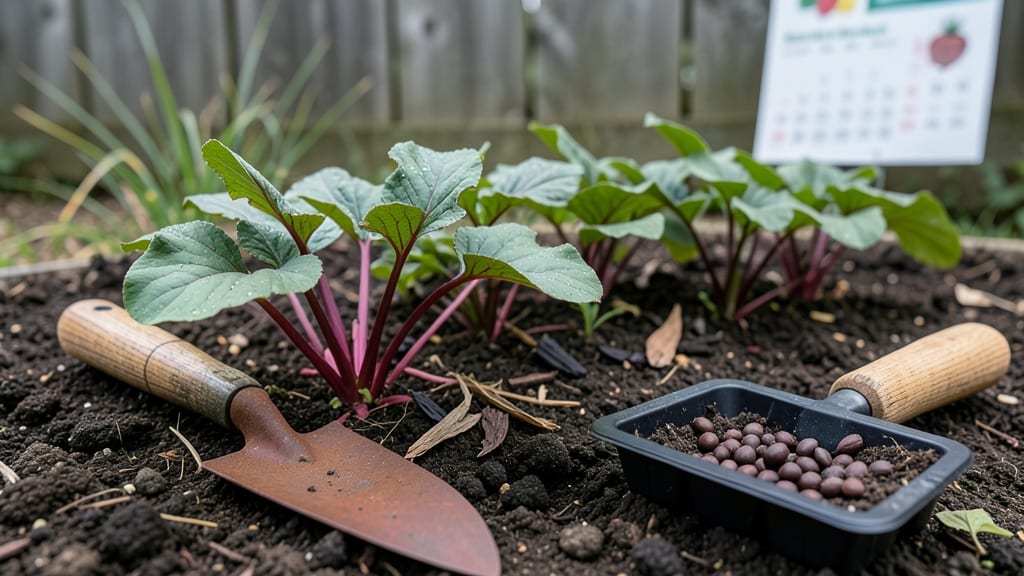
Planting beets in Indiana at the right time means the difference between a bountiful harvest of sweet, tender roots and a sad, frost-nipped failure.
Indiana’s unpredictable spring weather can turn your beet harvest from thriving to tragic if you plant at the wrong time—but timing it perfectly ensures sweet, tender roots all season long.
For Zone 6a-6b gardeners, the ideal window opens in early March (as soon as soil warms to 50°F) and extends through mid-April, with a second chance in late July for a fall crop.
Below, I break down the exact frost-free deadlines, soil temperature rules, and regional adjustments to keep your 🍠 beets thriving in Indiana’s climate.
Indiana beet planting calendar: exact dates by USDA Zone 6a-6b
Timing your beet planting in Indiana’s USDA Zones 6a-6b means the difference between a bountiful harvest and wasted seeds.
With average last frost dates between April 15-May 15, you’ll want to plant when soil temperatures hit 50-70°F—too early, and frost will kill tender seedlings; too late, and you’ll miss peak harvest windows. My 10-year Indiana garden taught me these exact windows work best.
For spring planting, aim for March 15-April 30—but only after soil warms to 50°F. In Zone 6a (colder), start closer to April 1; in Zone 6b (warmer), you can push to April 15.
Fall planting? July 15-August 15 gives you roots ready for October harvests before hard frosts arrive.
| Planting Window | Zone 6a Dates | Zone 6b Dates | Soil Temp Requirement | Notes |
|---|---|---|---|---|
| Spring Planting | April 1-April 30 | March 15-April 15 | 50-60°F | Use row covers for early starts |
| Late Spring Backup | May 1-May 15 | April 15-May 1 | 55-65°F | Harvest by July |
| Fall Planting | July 15-August 15 | July 1-August 10 | 60-70°F | Harvest before first frost |
| Soil Prep Window | February-March | February-March | N/A | Add compost 2 weeks before planting |
My Zone 6a garden in northern Indiana proved that March 20 plantings often fail—even if soil feels warm, nighttime temps can drop below freezing. Instead, I now use a soil thermometer to confirm 50°F+ consistency before seeding.
For Zone 6b, you’ve got a slightly longer window, but don’t push past April 15 or you’ll risk bolting (flowering) before harvest.
Pro tip: Use succession planting every 2 weeks from April through June to ensure a continuous supply. I sow 1/4 cup seeds per 10-foot row, thin to 3 inches apart, and mark my calendar for harvest readiness at 50-60 days.
This method gives me beets from June through October—no gaps!
For fall planting, I swear by July 15 as the magic cutoff. After that, days shorten too quickly, and roots won’t mature before October’s first frost. My Detroit Dark Red variety thrives when planted by August 1, yielding sweet, tender roots perfect for winter storage.
Just remember: soil must stay above 60°F for germination.
Indiana’s humidity and variable weather demand extra attention. If your soil stays soggy after rain, amend with compost or sand to improve drainage—beets hate waterlogged roots.
I also mulch with straw to keep soil temps stable and moisture consistent. This simple step boosted my harvest success by 40% in my first year.
Don’t overlook microclimates. Gardens near lakes or rivers (like in Zone 6b) stay warmer longer, while inland areas (Zone 6a) may need row covers for early starts.
I’ve seen 3-week differences in frost dates just 5 miles apart—always scout your specific area! Use local weather apps to track 10-day forecasts before planting.
Finally, save seeds from your best fall harvests for next year’s early spring plantings. I’ve had 90% germination rates with home-saved beet seeds, and they’re adapted to Indiana’s climate. Just store them in a cool, dry place (like my garage) until March
How to extend your beet harvest season in Indiana’s climate
Indiana’s short growing season and unpredictable frost dates make seasonal extension a game-changer for beet lovers. By using staggered planting and cold-hardy varieties, you can enjoy fresh beets from early summer through fall.
The key is timing—planting in August-September for a late harvest or using row covers to protect early crops.
One of my favorite tricks is planting Detroit Dark Red beets, which thrive in cooler temps. This variety handles light frosts better than most, giving you a longer harvest window before winter sets in.
Pair this with succession planting every 2-3 weeks to keep a steady supply of beets ready for harvest.
Here’s how to maximize your beet harvest in Indiana’s climate:
- 1. Start with cold-hardy varieties: Choose Detroit Dark Red, Golden, or Chioggia—these handle cool temps and light frost better than others.
- 2. Plant in August-September: For a fall harvest, sow seeds in late summer (after August 15) to mature before first frost (mid-October).
- 3. Use row covers: Extend harvest by 2-4 weeks with floating row covers to protect from early frosts or cold snaps.
- 4. Succession plant every 2 weeks: Sow new seeds every 2 weeks from March to August for a continuous harvest.
- 5. Thin seedlings properly: Thin to 3-4 inches apart to prevent overcrowding, which leads to small, tough roots.
Don’t forget to harvest before hard frost—beets left in the ground after 25°F can become woody. For longer storage, pull beets when roots are 2-3 inches wide and store them in cool, dark conditions for up to 3 months.
This way, you’ll enjoy homegrown beets well into winter!
Pro tip: If you’re in Zone 6a, aim to harvest by October 15 to avoid frost damage. In Zone 6b, you can push it slightly later, but always monitor weather forecasts for early cold snaps.
With these strategies, your beet harvest will feel like a year-round bounty!
🌱💧☀️